
MA-FIA III: what it really costs to race, and why the FIA likes it that way

MA-FIA III: what it costs to climb from karts to F1, the FIA super license fees, the million-euro Rally1 car and the $1,600 Las Vegas ticket.
A dedicated space for the industry’s most pressing controversies. We break down conflicting perspectives on technical, economic, and market-driven topics, providing a critical look at the arguments that divide the automotive community.
MA-FIA III: what it costs to climb from karts to F1, the FIA super license fees, the million-euro Rally1 car and the $1,600 Las Vegas ticket.

MA-FIA II: The e-Fuels Lobby — How F1 Became Saudi Arabia’s Trojan Horse 35 barrels a day of “sustainable” fuel. 9 million barrels a day of crude oil. And a PR machine lobbying the European Parliament so you can’t buy a petrol car in 2035… while they keep pumping oil until the end of time. … Read more

MA-FIA: How the FIA Is Destroying the Very Sport It Claims to Protect They sell you sustainability while cashing cheques from the world’s biggest oil company. They promise governance while gutting their own ethics committees. They talk about sport while blocking anyone who won’t pay the toll. And when you ask where your money goes, … Read more
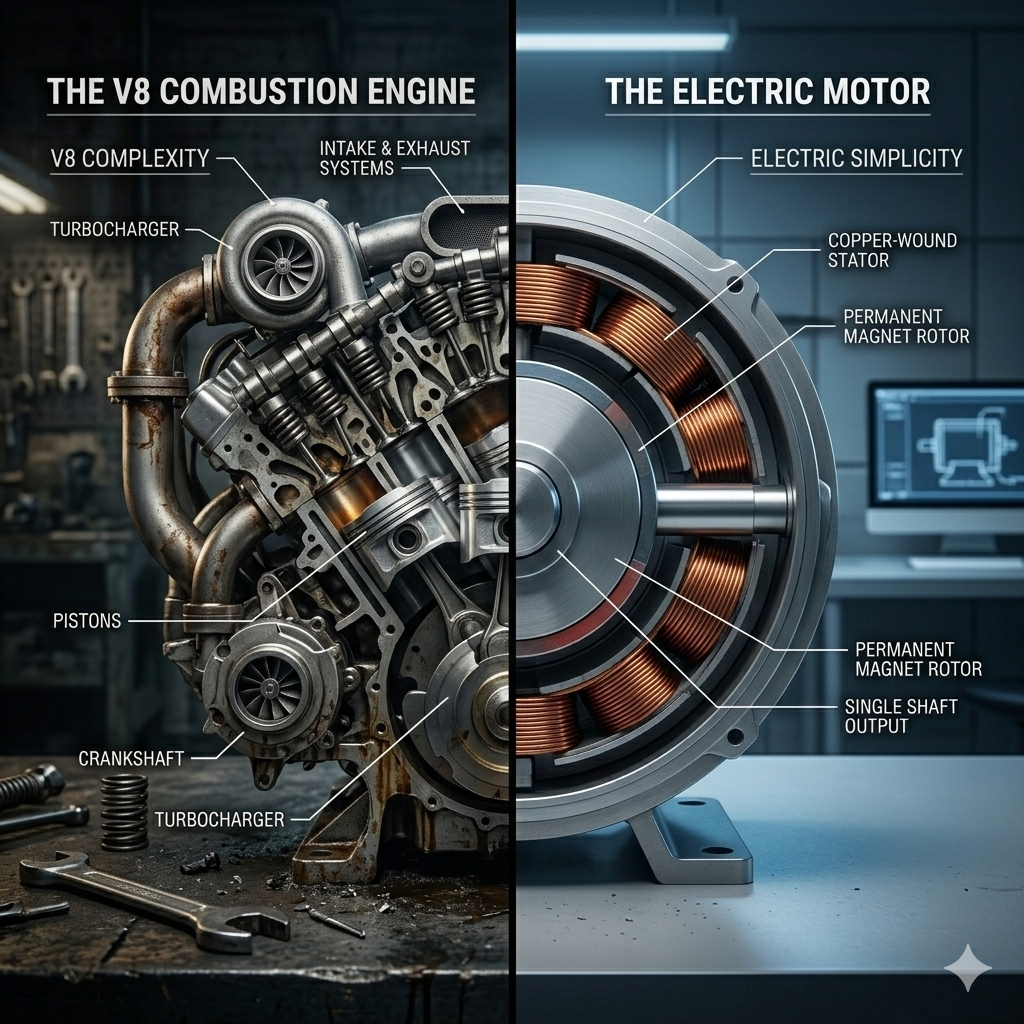
The Great Electric Horsepower Scam: When Adding Power Is as Easy as Turning Up the Volume There’s an elephant in the electric car showroom, and nobody wants to talk about it. The automotive industry has been selling horsepower for over a century as though each one costs blood, sweat, and thousands of hours of engineering. … Read more
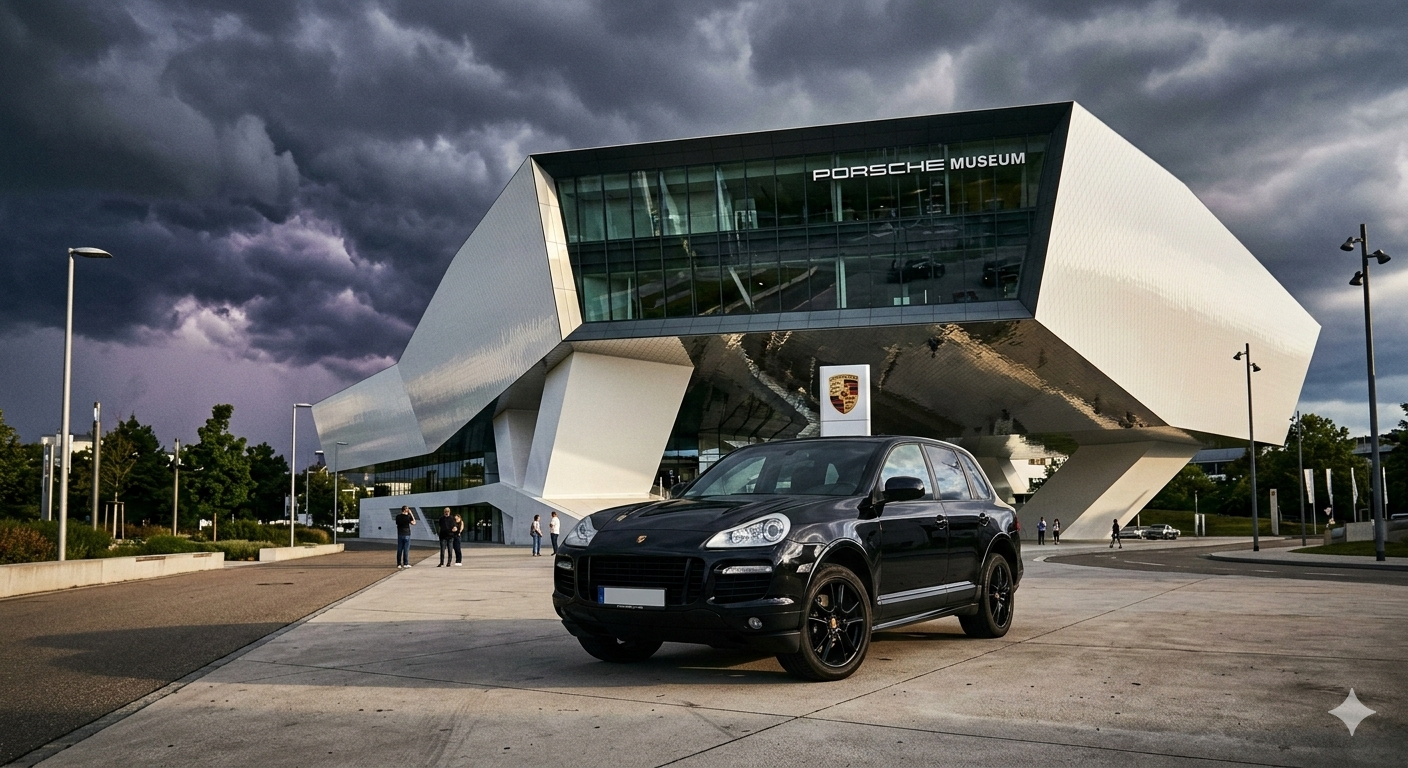
Porsche Cayenne — The SUV That Saved Porsche by Betraying Everything It Stood For Porsche Cayenne: The SUV That Saved Porsche and Destroyed Its Soul Let me tell you the most uncomfortable story in the history of Porsche. It’s not the IMS bearing. It’s not the 914. It’s not the tractor Ferdinand Porsche designed before … Read more
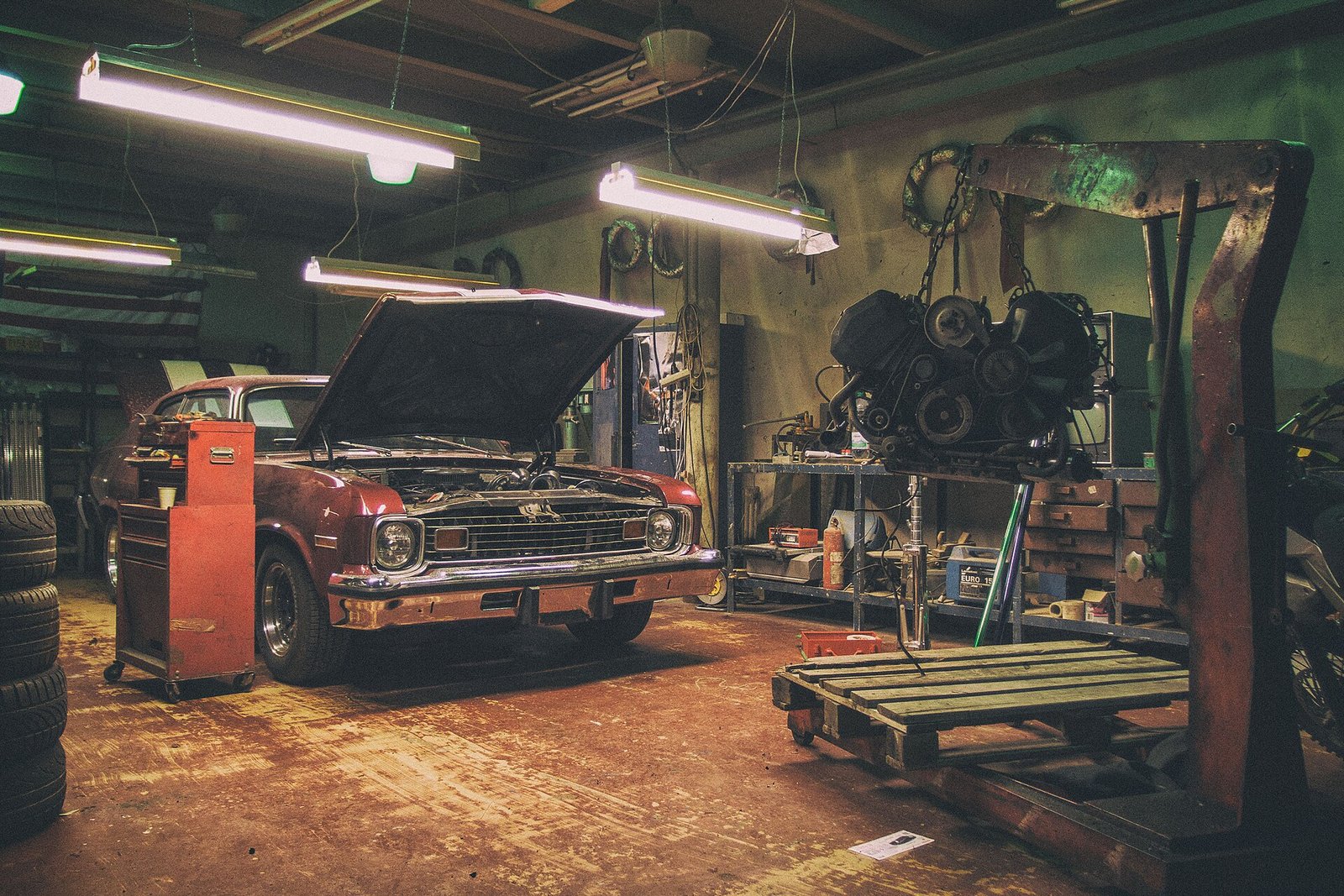
Auto repair is running out of skilled mechanics in Spain, Europe and the US: low pay, flat-rate work, costly tools and a training gap, while Germany shows another way.

Downsizing: The Big Lie That Is Killing the Real Automobile In short: downsizing was born to cut type-approval CO2 emissions under rules like Euro 5 and Euro 6, but the gap between official and real consumption has grown: according to the ICCT, from 8% in 2001 to 39% in 2017. And many drivers miss the … Read more
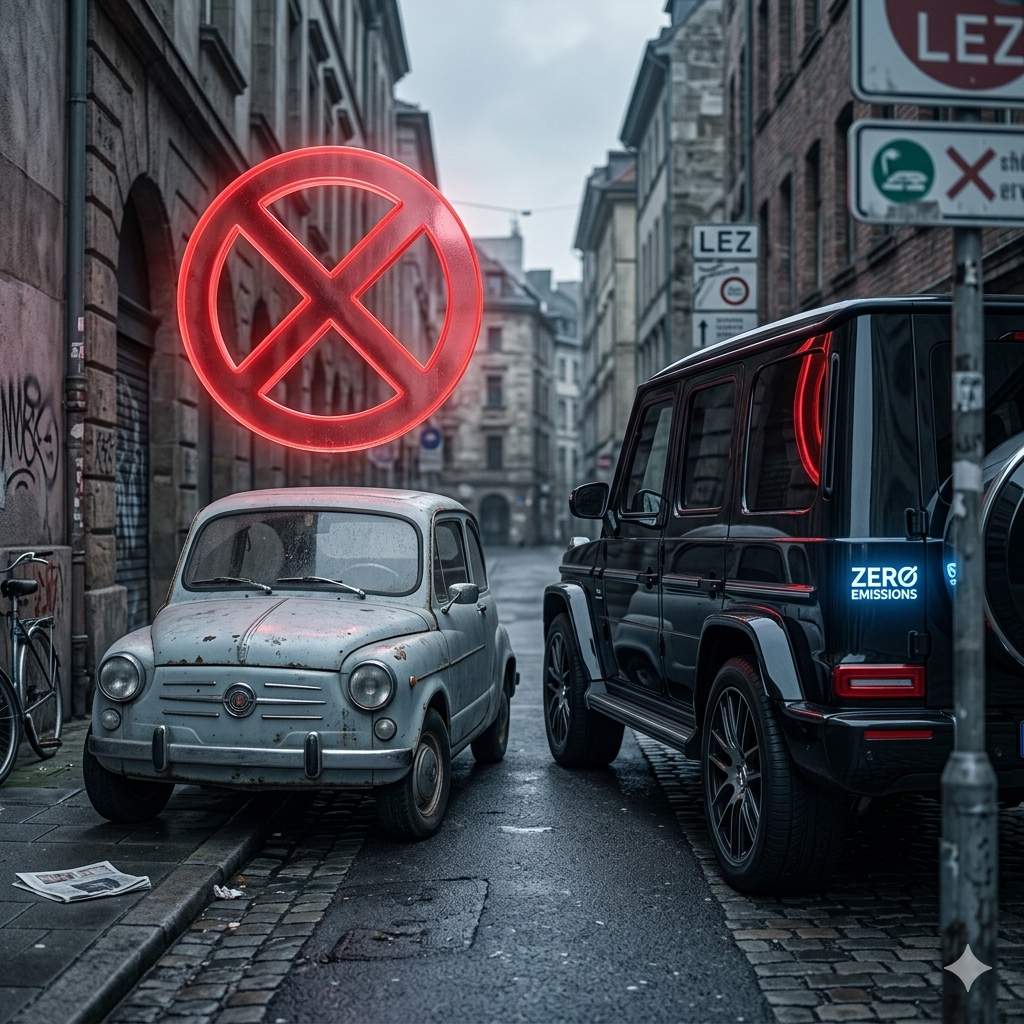
Spain’s DGT Environmental Label: The Biggest Bureaucratic Scam of the Century (and the Working Class Always Pays) Let me tell you a story you probably already know if you live in Spain—but nobody has laid out the data quite like this, unfiltered and raw. The story of how Spain’s environmental vehicle labeling system was designed … Read more
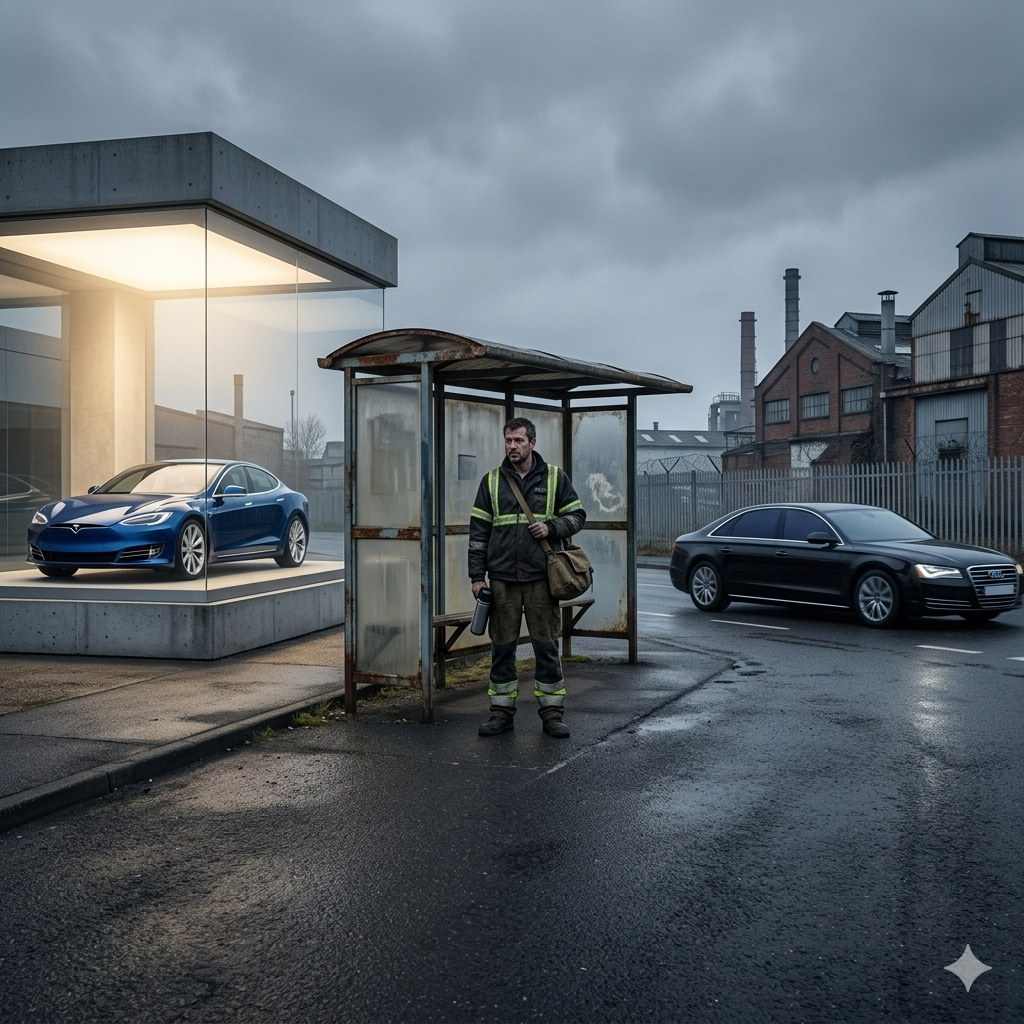
I’m the One Paying for Ecology… Twice Over. The Green Scam Nobody Talks About Welcome to the Ecological Circus They’ve told you a beautiful story. The planet is dying, you’re the one to blame, and the solution requires you to empty your bank account. First through taxes, then by buying what they tell you to … Read more
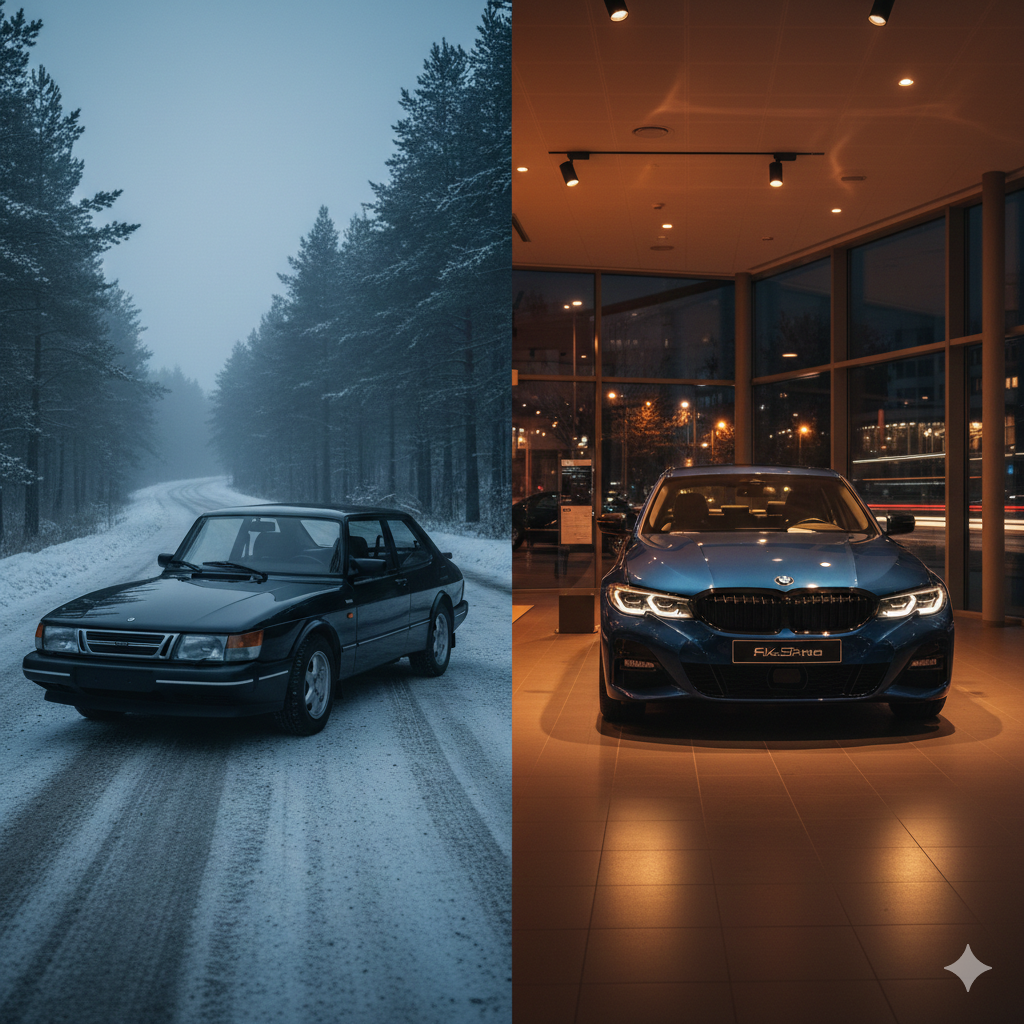
Why Swedes Design Such Strange Cars: Nordic Philosophy vs German Obsession By Not Enough Cylinders If you’ve read the other articles in this series, you already have three concrete examples of Swedish cars doing things nobody else did: engine installed backwards, odd five-cylinder motor, supersonic-fighter-named front-wheel-drive car with no electronic aids. This isn’t coincidence. It’s … Read more
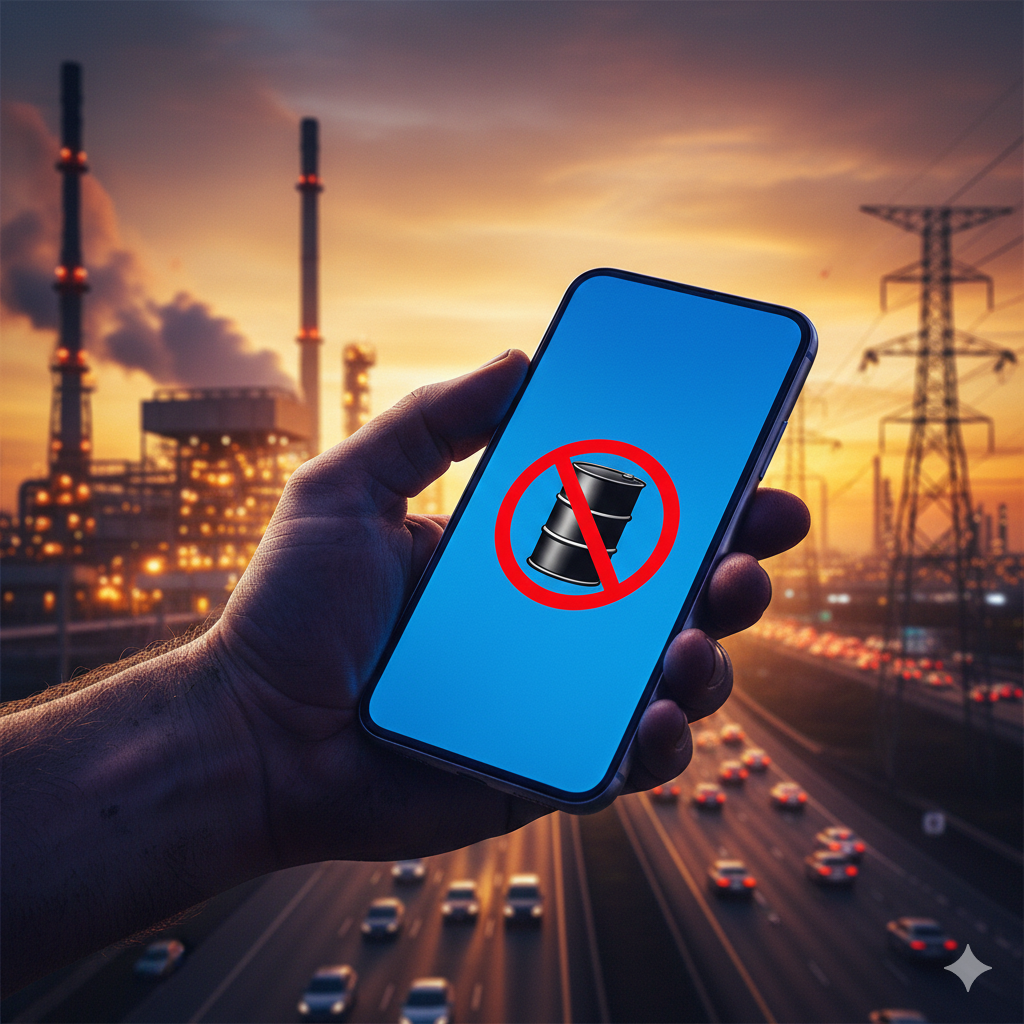
Biting the Hand That Feeds You: The Hypocrisy of Hating Fossil Fuels There’s something deeply ironic about a person typing on their iPhone, sitting inside a reinforced concrete building, wearing synthetic clothing, eating food that traveled 3,000 kilometers in a refrigerated truck, posting on social media that fossil fuels are humanity’s enemy. It’s like spitting … Read more
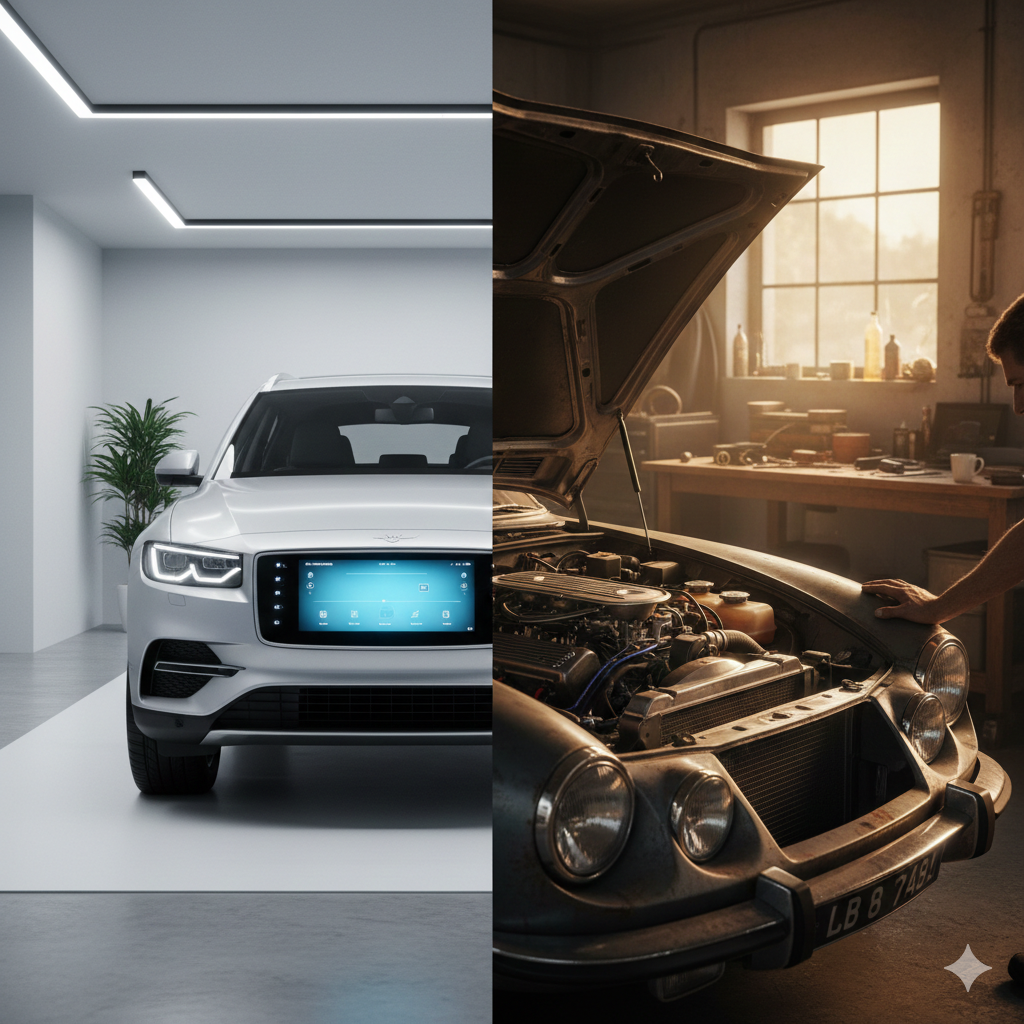
They’re Not Cars. They’re iPads on Wheels. We’re not the majority. But we’re not few either. And that’s not the same thing. Some people look at a car and see transportation. Four wheels, a steering wheel, something that gets you from A to B. And that’s fine. Not everyone has to feel what we feel. … Read more