Cadillac built a $400,000 temple and forgot you can’t buy your way back to God
There’s a thing American luxury keeps doing, and Cadillac just did it harder than anyone in decades. It remembers being great, points at the memory, and asks you to mistake the pointing for the thing itself.
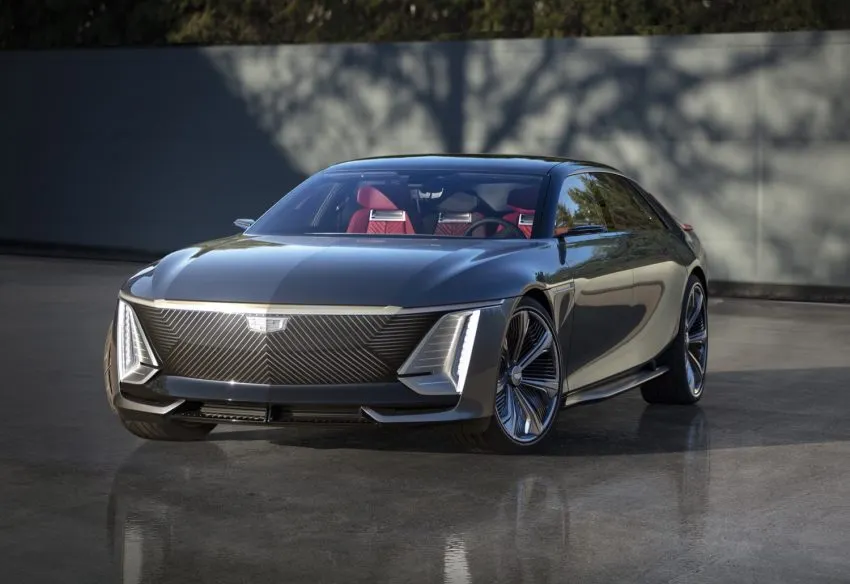
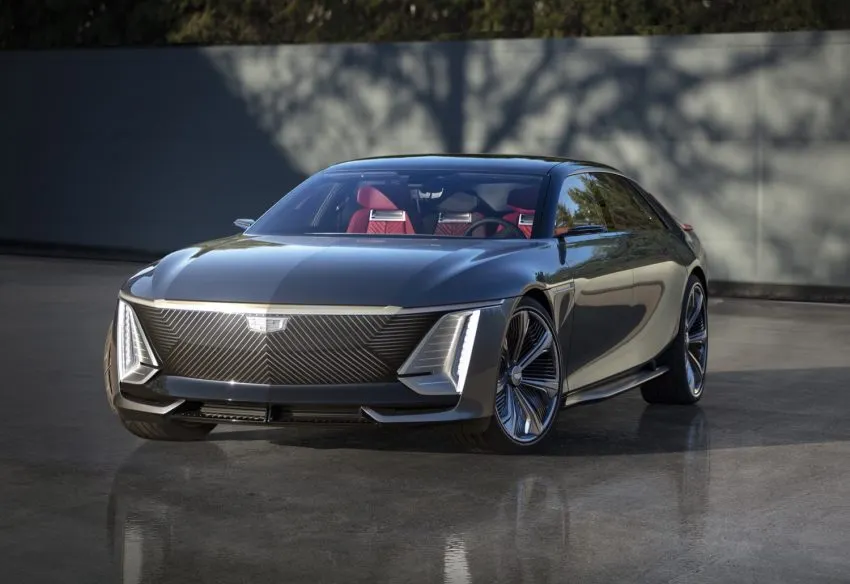
The Celestiq is the pointing. A hand-built, four-hundred-grand electric land yacht aimed squarely at Rolls-Royce, wrapped in language about artisans and bespoke curation and the “Standard of the World” — a phrase Cadillac earned roughly ninety years ago and has been coasting on ever since. Clarkson would have a field day. Chris Harris would drive it once, raise an eyebrow, and ask the only question that matters: who’s this actually for?
So let’s stop admiring the sheet metal and open it up. Because the Celestiq is fascinating, but not for the reasons Cadillac’s press release wants. It’s fascinating as a confession.
What they’re selling you
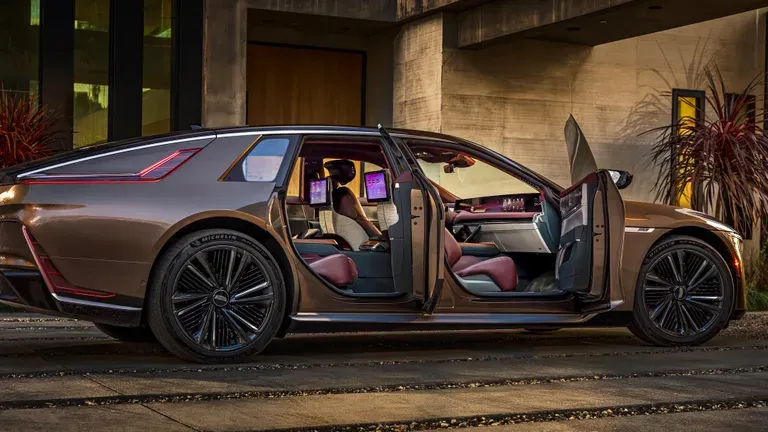
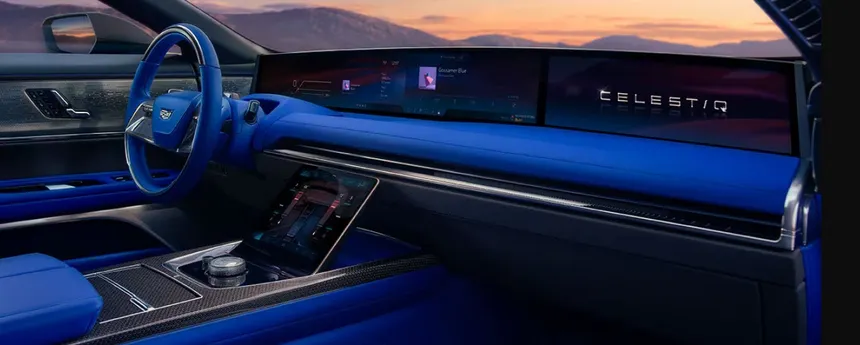
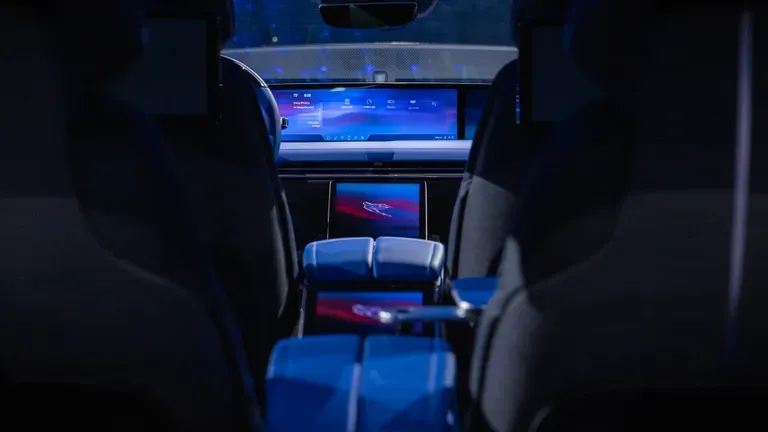
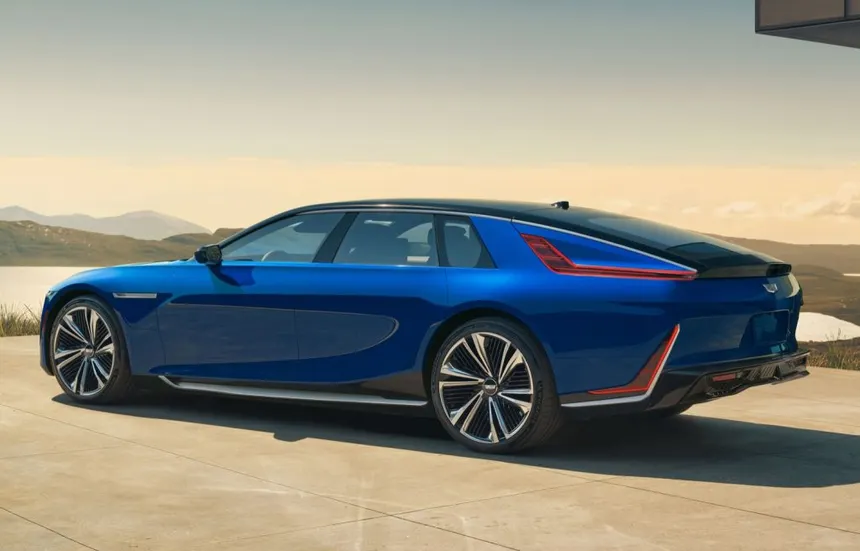
The spec sheet is genuinely impressive, and I want to be fair before I get to work with the knife. The Celestiq is a five-door liftback longer than a standard-wheelbase Escalade, built by hand at GM’s Global Technical Center in Warren, Michigan, in a wing they’ve christened the Artisan Center. Two motors, one per axle, 655 hp, 876 Nm, all-wheel drive, zero to sixty in about 3.7 seconds. A 111-kWh Ultium pack on GM’s BEV3 platform, an EPA-estimated 303 miles of range. A 3D-printed steering wheel. Over a hundred 3D-printed parts. A 55-inch pillar-to-pillar display. A four-zone smart glass roof every passenger dims to taste. Two million personalization combinations. A concierge. A design team. No two alike.
On paper, it’s a moonshot. The trouble is that the design itself tells you where Cadillac’s confidence actually lives: it borrows openly from the 1957 Eldorado Brougham and the 1930s V-16. The only era when Cadillac genuinely was what it now claims to be. When a brand has to reach seventy years back to find its best self, it isn’t designing tomorrow. It’s trying to buy yesterday at retail.
And here’s what the press releases conveniently skip: this is not the first attempt. The Sixteen in 2003, the Ciel in 2011, the Elmiraj in 2013 — every one of them aimed at the exact same target, every one promised to drag Cadillac back to the top of the luxury world, and every one died on the lawn at Pebble Beach as a show car. Two decades of flagships that never left the harbor. The Celestiq is simply the first to reach the road, and that isn’t the triumph it sounds like — it’s the problem. For twenty years Cadillac at least had the alibi of not daring. Now it has dared, and the result sells in single digits per month. There’s a detail that should sting in Detroit: back in 2011, with the Ciel sitting right there, critics were already telling Cadillac to study Rolls-Royce and stop building costume-jewellery luxury. Fifteen years on, the Celestiq is still staring at Rolls-Royce. It just copied the price tag instead of the lesson.
The price is where the bleeding starts
In 2025 the Celestiq opened at $340,000. Before options. For 2026 Cadillac jacked that up twenty percent in one move — base now sits in the “low $400,000s,” their words, and pushes toward half a million in Canada. And that’s before the buyer touches a single one of those two million combinations. A Cadillac spokesperson said it plainly: the final transaction price depends on the client’s level of curation. In plain English: nobody knows what it costs, and the more you want, the more you bleed.
Cadillac justifies all this by standing next to Rolls-Royce and Bentley. Here’s the hard-to-swallow part: Rolls sells around 5,000 cars a year and has spent over a century building a reputation measured in generations. Cadillac spent four decades selling badge-engineered Suburbans to people who thought a chrome grille was a personality. And yes, in those same decades it also built genuine weapons — the CTS-V, the ATS, the CT6 with the Blackwing V8, cars that would humble half of Munich through a corner. Which is exactly the tragedy: it had the talent and still let the whole badge get welded to the chromed Escalade in the casino car park. Standing next to Rolls doesn’t make you Rolls. It makes you the brand that needed to stand next to Rolls.
But the price isn’t even the juicy part. The juicy part is what the price is hiding.
The numbers Cadillac doesn’t want you to find
For 2025, Cadillac planned to build 25 units. Twenty-five. And here’s the first cut: they didn’t sell them all. The spokesperson said “nearly all” slots were spoken for. Nearly all. When you build twenty-five cars in a year and still have seats going begging, that’s not exclusivity. That’s a demand problem. You control exclusivity. The market controls demand. And the people with half a million to spare did not form a queue.
Second cut, deeper: GM does not report Celestiq sales. Doesn’t break them out. Buries the figure inside the quarterly results with everything else. A publicly traded company that won’t disclose numbers for its own flagship. You don’t hide a figure when it flatters you. You hide it when saying it out loud would be embarrassing.
Some perspective. In 2025 Cadillac sold 49,000 electric vehicles — Lyriq, Optiq, Vistiq, Escalade IQ. Forty-nine thousand. And the flagship, the jewel, the hand-built Standard of the World? Twenty-five. The car that supposedly defines the brand is 0.05 percent of what the brand moves. It isn’t a product. It’s a billboard with wheels — an expensive neon sign whose job isn’t to sell itself but to make you glance at the rest of the showroom.
The three-ton elephant
Now the weight. This is where my blood pressure goes up.
The Celestiq weighs 3,102 kilograms. Over 6,800 pounds. Heavier than a petrol Hummer H2. Roughly double a proper Rolls-Royce Phantom of twenty years ago. A full tonne more than the cars it claims to rival.
Cadillac sells that weight as refinement. Ride isolation, air springs, computer-controlled anti-roll, the silk of it all. And here’s the central con of modern electric luxury: they’re laundering a flaw into a feature. The thing weighs three tons because the battery weighs what it weighs, and since they can’t hide that dead mass, they sell it back to you as solidity. As presence. As the comforting idea that good things are heavy.
They aren’t. Good things do what they promise without dragging around mass that contributes nothing. Moving 3,100 kilos isn’t a triumph of luxury engineering, it’s the physical invoice for bolting a power station under the floor. Every extra kilo punishes the brakes, the tyres, the tarmac, the way the thing changes direction. Charge a man $400,000 and hand him something that weighs like a delivery truck, and the least you can do is not insult him by calling it a virtue.
The 1930s V-16 — the car the Celestiq claims to worship — weighed around 2.7 tonnes with sixteen cylinders, solid steel, and ninety-year-old technology. The Celestiq, with all of human progress in between, weighs more. Draw your own conclusions about what “progress” means to certain people.
The resale is the killing blow
Here’s the single image that ends the argument. Cadillac sells the Celestiq as unique, irreplaceable, hand-built for you, your concierge, your two million combinations, the ultimate collector’s object. And the brand lets you flip it immediately. No lock-in, no waiting list to protect the exclusivity, nothing.
And it’s already happened. A unit with 668 miles on the clock — practically new — turned up at a dealer in Van Nuys, California, listed at $499,950. Almost $150,000 over base. The sentimental, one-of-one work of artisan craft, put up for speculation before it smelled fresh asphalt. That’s the true portrait of the Celestiq as a luxury object: not a car to love, but an asset to gawp at and resell.
And it dismantles the whole promise. Because real luxury — the kind nobody argues about — doesn’t get flipped at 668 miles. A Rolls you configured over months with your family doesn’t surface in a Van Nuys showroom two weeks later. People who actually want that kind of car don’t buy it to make money. The person who does is telling you, without telling you, exactly what the car means to him. Nothing. A number that goes up.
So is it luxury? And is it viable?
Two separate questions. Don’t let anyone blend them.
Is it a well-made car? Probably yes. GM’s engineering is no joke, the display is absurd in the best way, the materials are real, the hand-assembly is real, the two million combinations are real. As a physical object, the Celestiq delivers. It isn’t a sheet-metal fraud.
Is it luxury? No. Real luxury doesn’t explain itself. It doesn’t reach seventy years back to justify the present, doesn’t compare itself out loud to Rolls-Royce, doesn’t hide its sales figures, and certainly doesn’t show up for resale at 668 miles. Luxury is a reputation earned across generations of doing things one way. Cadillac had it. Cadillac threw it away. And now it thinks it can buy it back with aluminium, leather, and a 3D printer. You can’t. Luxury isn’t manufactured. It’s inherited or built slowly, and Cadillac wants both inside a single fiscal quarter.
Is it viable? This is the brutal one. Twenty-five units a year, not fully sold, figures buried, inside a brand that moves 49,000 cheap EVs. The Celestiq isn’t viable as a business and never pretended to be. It’s an image play. A wildly expensive lighthouse lit so the glow of prestige falls on the Lyriqs and Optiqs that actually pay the bills. The Celestiq isn’t there to make money. It’s there to make you believe a normal Cadillac carries some of that magic. It’s three-tonne marketing.
Which is fine, frankly. Brands build lighthouses. Ferrari, Mercedes, all of them have the impossible halo car that exists to sell the possible ones. But then don’t sell it to me as the rebirth of American luxury. Sell it as what it is: an advertisement with leather seats that happens to move.
The comparison Cadillac keeps making, and shouldn’t
Let’s stay on Rolls-Royce for a second, because Cadillac invited the fight and I’m happy to oblige. The Spectre, Rolls’s first electric car, is also a heavy machine, also a battery on wheels, also wildly expensive. So why does one feel like luxury and the other feels like a press release with a steering wheel?
Because Rolls has spent a century earning the right to charge what it charges. When you buy a Rolls you’re not buying the car, you’re buying into an unbroken line of objects that have meant the same thing since before your grandfather was born. The badge does work that no spec sheet can do. Cadillac’s badge, after forty years of Escalades in rap videos and rental fleets, does the opposite work. It has to be overcome. The Celestiq isn’t fighting Rolls-Royce. It’s fighting the last four decades of its own brand, and no amount of 3D-printed trim wins that fight in a single model.
That’s the cruelty of reputation. It compounds slowly and collapses fast, and you cannot sprint back up the hill with one expensive object. Cadillac knows this. The whole car is an attempt to pretend otherwise.
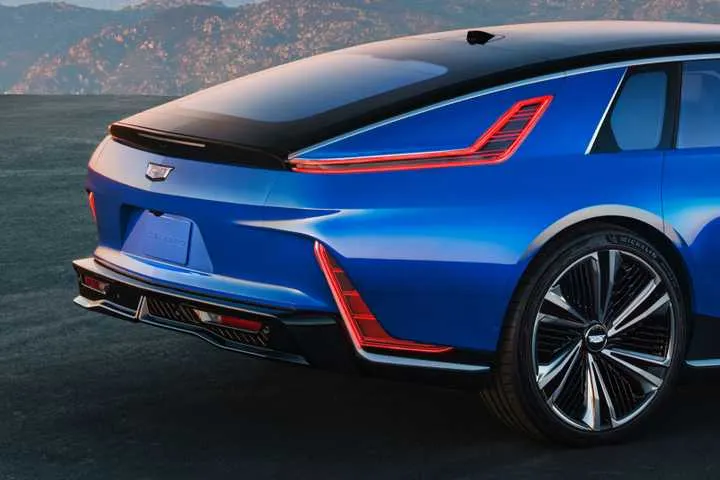
What a real comeback would have looked like
Here’s the part that actually frustrates me, because the talent is clearly there. GM can engineer. The Celestiq proves it. The display, the air suspension, the chassis control, the build quality — none of that is fake. The engineering isn’t the problem. The strategy is.
A real comeback doesn’t start at the top with a halo nobody can afford. It starts in the middle, with a car people actually buy, made so well that owning it quietly changes what the badge means. You rebuild trust one straight transaction at a time, and then, years later, when the badge has earned it back, you build the half-million-dollar monument and the world nods because it’s already true. Cadillac did it backwards. They built the monument first and are now hoping the trust catches up. It won’t, because nobody sees the monument. Twenty-five people do.
So the Celestiq ends up as a strange artifact: proof that Cadillac can build a great car, and proof that it still doesn’t understand why people buy great cars.
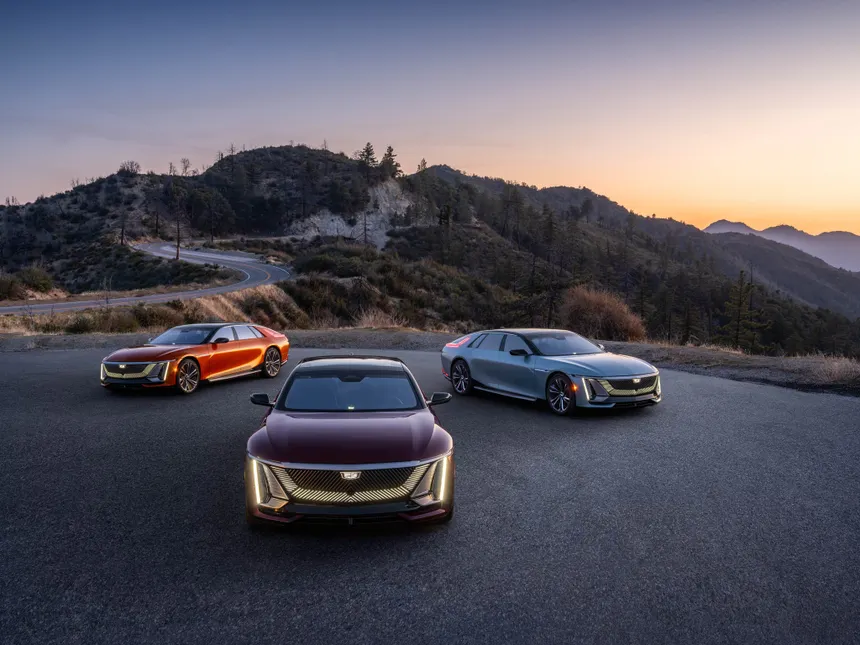
Cadillac’s actual problem
The most damning thing here isn’t the car. It’s what the car admits. Cadillac knows exactly what it used to be — that’s why the design stares at the ’57 Eldorado and the V-16. They know they were gods. And instead of rebuilding that reputation car by car, year by year, patiently, they went for the shortcut: one ludicrously expensive object screaming look at me, I’m great again.
But greatness doesn’t shout. It demonstrates and shuts up. Rolls-Royce never has to tell you it’s Rolls-Royce. Cadillac, with the Celestiq, can’t stop reminding you. And that anxiety — that need for you to believe — is the very proof that even Cadillac doesn’t fully believe it.
The Celestiq is the car of a brand that remembers being God and has confused building a temple with buying one. And a bought temple, however much marble you bolt on, still smells of money. Never of faith.
Check you’re still alive.