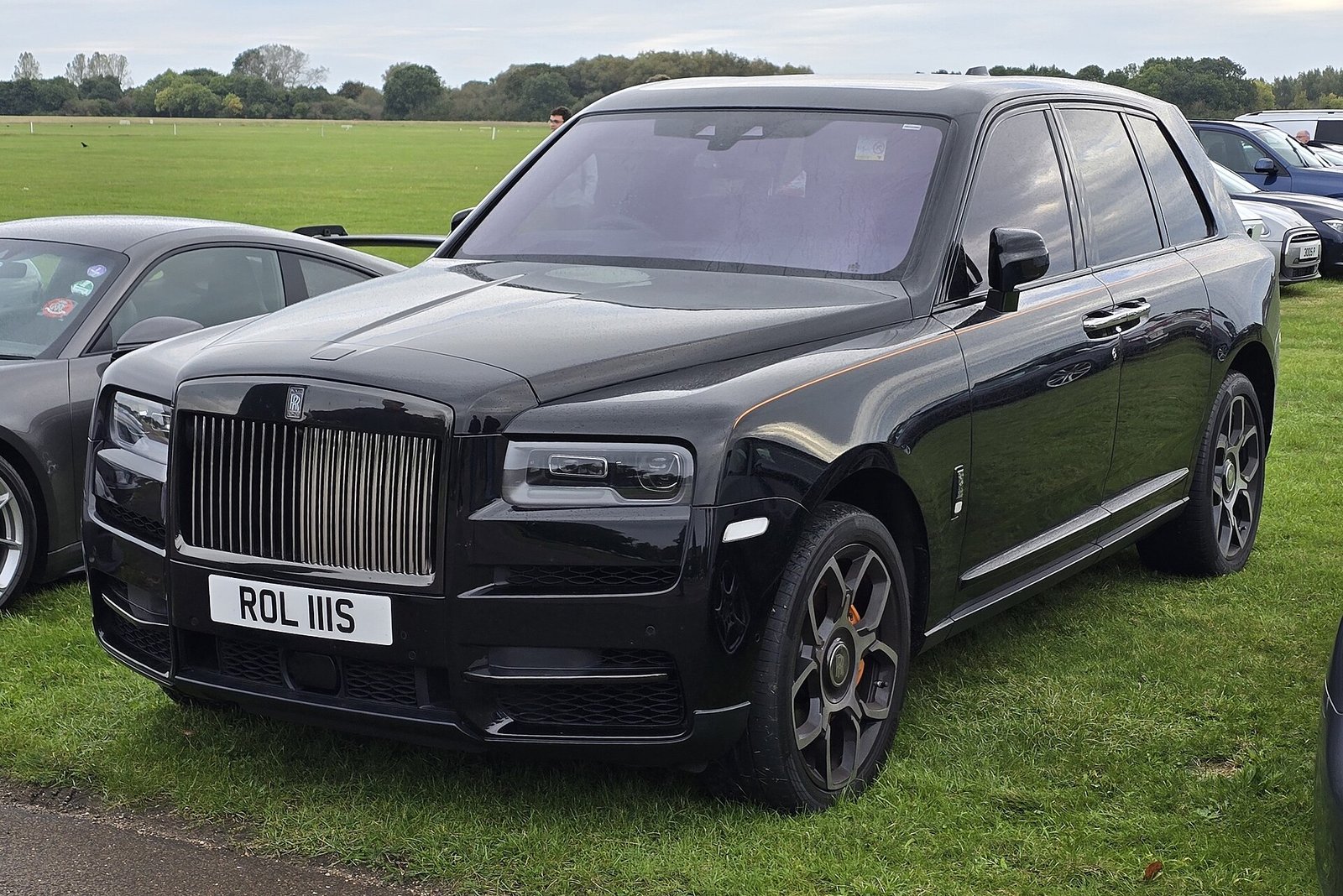
In 2023, Rolls-Royce delivered 6,032 cars in 50 countries, the most in its history. Its biggest market was the United States. Its best-selling model was the Cullinan, an SUV. And in 2022 the company said the average age of its customers, in the US and worldwide, had dropped to 43. In 2026, the head of Rolls-Royce North America put it at 42, and said new buyers of the electric Spectre averaged 35.
By any business measure, that’s a triumph. By the measure the brand was built on, it’s a funeral, and the mourners are the people who still remember what the badge used to mean.
There was a time when a Rolls-Royce on the street meant someone was inside who didn’t need to prove anything. The chauffeur drove, the owner read the paper in the back, and nobody took a picture. Today, a Rolls-Royce on the street often means someone needs you to look. To follow. To like.
Built to not break
The story starts in 1904, in a hotel in Manchester, England, where Charles Rolls, an aristocrat who sold cars in London and was obsessed with speed and flight, met Henry Royce, a self-made engineer who built electric motors and cranes. The deal was simple: Royce would build, Rolls would sell.
In 1907 came the car that made the legend, the 40/50 that the press nicknamed the Silver Ghost. Under the supervision of the Royal Automobile Club, it covered close to 15,000 miles, about 24,000 km, in a reliability trial. It didn’t win fame by being flashy. It won by not breaking.
Royce’s motto still gets quoted: strive for perfection in everything you do; take the best that exists and make it better; when it doesn’t exist, design it. He was talking about engineering and craftsmanship, about building something so good it didn’t need advertising.
For most of the twentieth century, that’s what Rolls-Royce was. Its customers were industrialists, aristocrats, heads of state and old money. They bought the car precisely because it didn’t shout the way a Lamborghini does. The Silver Shadow was discreet. The Phantom was imposing but restrained. Most were black, gray or dark blue. A Rolls-Royce was the automotive equivalent of a Savile Row suit: if you had to ask, it wasn’t for you.
The Rolls-Royces built in Massachusetts
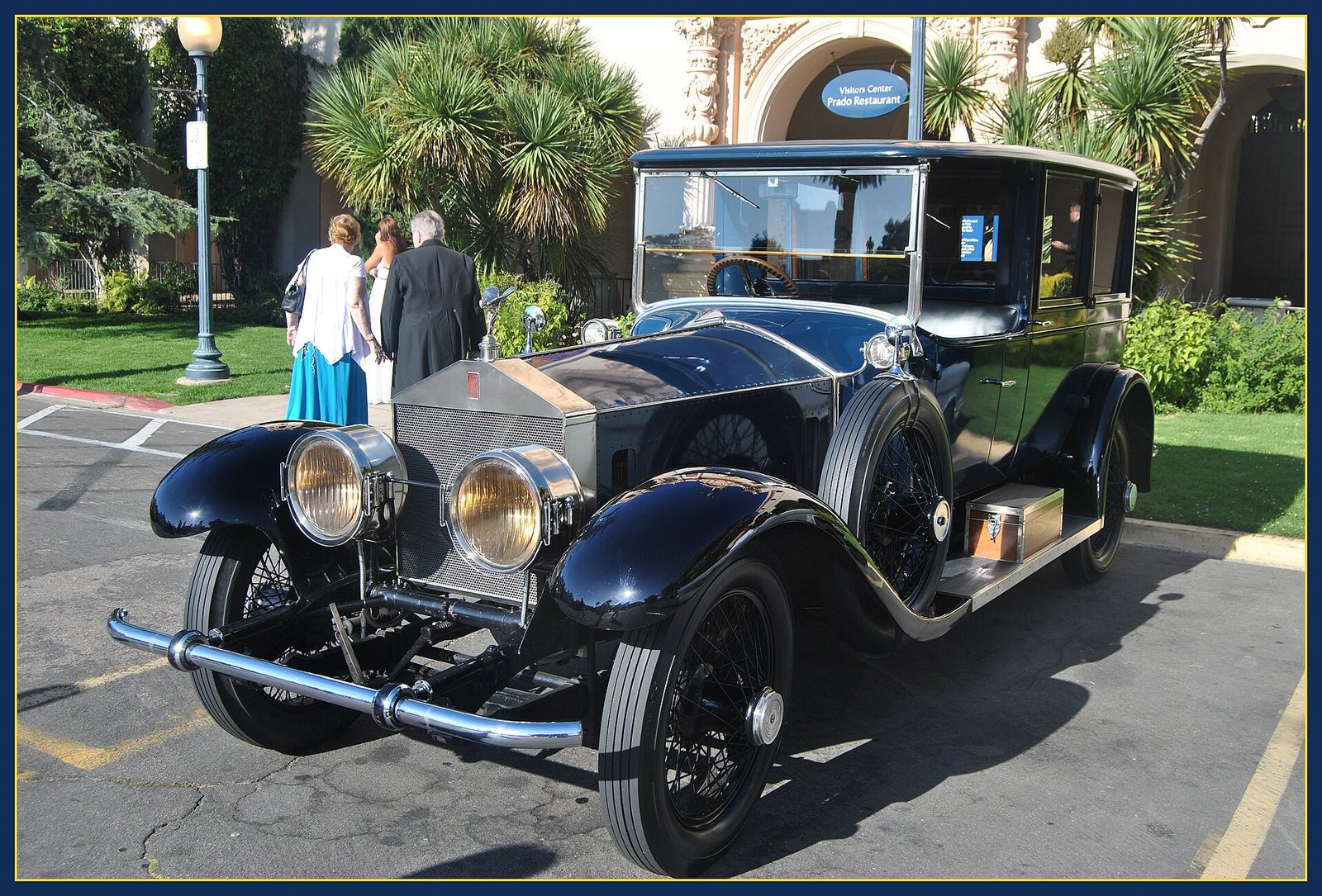
Here’s a chapter most Americans have never heard. In the 1920s, Rolls-Royce built cars in the United States. Rolls-Royce of America set up a factory in Springfield, Massachusetts, in 1921 and assembled Silver Ghosts and later Phantoms there, adapted for American roads and American buyers, until the Depression shut it down in 1931. For a decade, a Rolls-Royce could be as American as a Packard. It’s worth remembering, because it shows the brand once courted the US market with engineering and craftsmanship, not with chrome wraps.
Ecstasy and a long, slow evolution
The famous hood ornament, the Spirit of Ecstasy, arrived in 1911, sculpted by Charles Sykes, partly to stop owners from bolting on their own tacky mascots. That detail says a lot: even then, the company was protecting its cars from bad taste.
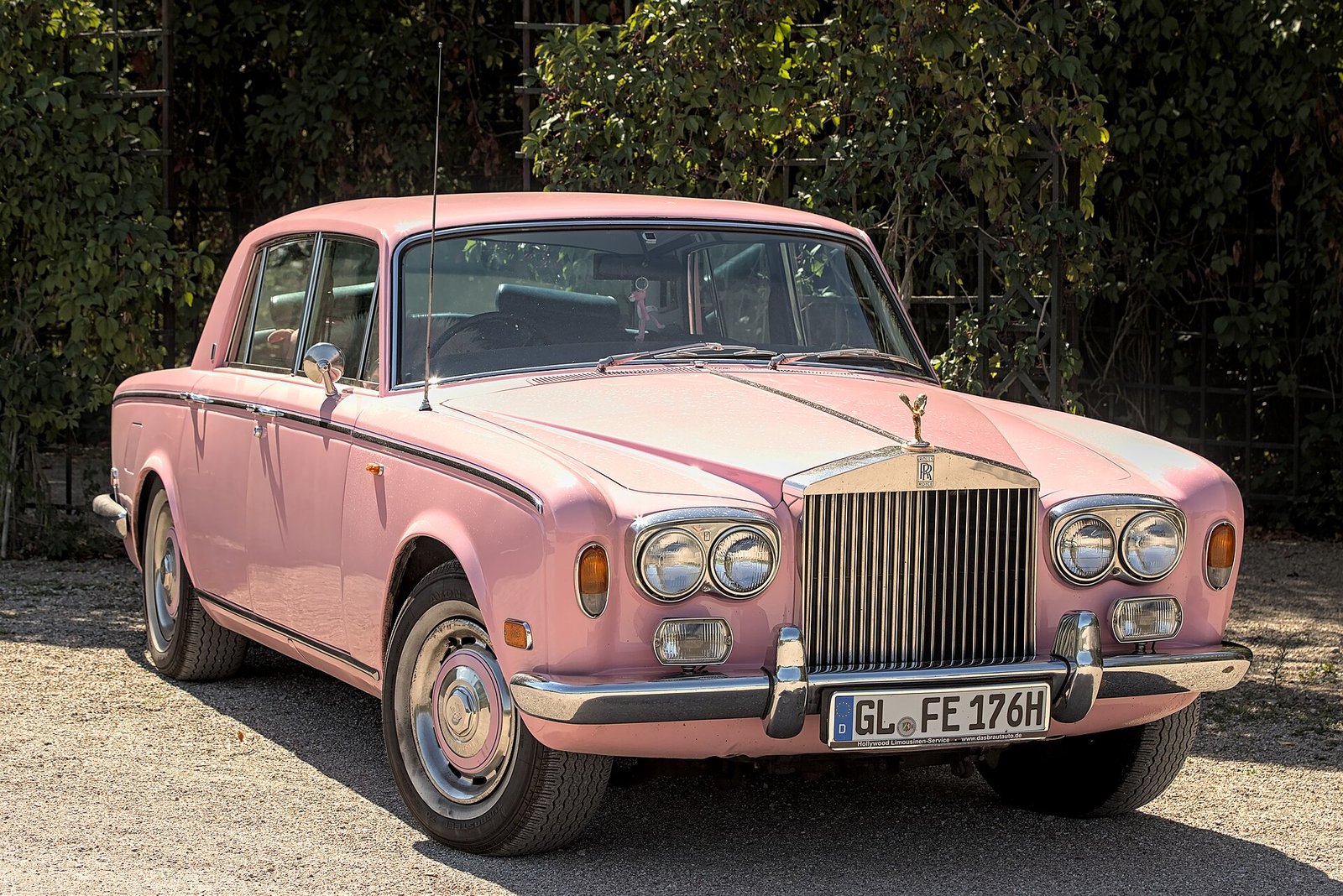
Through the following decades, Rolls-Royce changed slowly. It bought Bentley in 1931. It didn’t adopt a modern unibody structure until the Silver Shadow of 1965. And in 1971, the parent company collapsed into bankruptcy, dragged down by the cost of developing the RB211 jet engine. The British government nationalized the aircraft-engine business, and the car division was split off in 1973. From then on, the cars and the jet engines went their separate ways, which is why, decades later, the Rolls-Royce name could end up with BMW while the Crewe factory went to Volkswagen.
A German owner for an English icon
Most American buyers probably don’t think about this, but the most British car brand in the world has been German-owned for more than two decades. In 1998, when Vickers sold the car company, Volkswagen ended up with the Crewe factory and Bentley, while BMW secured the right to the Rolls-Royce name, which belonged to the separate aircraft-engine company. From 2003, BMW built Rolls-Royces at a brand-new plant in Goodwood, in the south of England.
BMW did a lot right. The 2003 Phantom was a magnificent car. But the new owner also had a new goal: growth. And growth meant new customers.
The plan unfolded one step at a time. In 2009 came the Ghost, a smaller, more affordable Rolls-Royce that shared engineering with BMW’s 7 Series. Then the Wraith coupe in 2013 and the Dawn convertible in 2015, both aimed at people who wanted to drive themselves rather than be driven. In 2016, the company launched Black Badge, darker, more powerful versions with a sportier attitude, explicitly pitched at a younger, edgier customer. Each move made sense on its own. Together, they turned a brand for the established into a brand for the arriving.
The Cullinan and the surrender
In 2018, Rolls-Royce launched the Cullinan, its first SUV. That’s when the shift became impossible to miss.
It’s named after the largest gem-quality diamond ever found, a stone cut into pieces that now sit in the British Crown Jewels. The name alone tells you the target: not discretion, but sparkle. As engineering, the Cullinan is superb: an aluminum spaceframe, air suspension, a 6.75-liter twin-turbo V12 with 563 hp. The problem was never the car itself, which is quieter and smoother than almost anything on the road. The problem was who it was aimed at. It wasn’t built for the family that had bought Rolls-Royces for three generations. It was built for a new buyer who wanted a Rolls-Royce less for what it was than for how it looked in a photo.
And it worked. The Cullinan became the brand’s best seller.
From old money to show money
Search "Rolls-Royce" on Instagram or TikTok. Here’s what you’ll find:
- Cars wrapped in gold chrome, bubblegum pink or neon green vinyl.
- Interiors with the owner’s logo stitched into the headrests.
- "Look at my new Rolls" videos with trap music in the background.
- Garage shots where the Rolls sits next to a Lamborghini Urus and a Mercedes-AMG G63, all in colors that would make a designer weep.
- Influencers posing by a car they rented for the afternoon.
That isn’t luxury. It’s ostentation, and there’s a world of difference. Classic Rolls-Royce luxury was a whisper, almost invisible to anyone who didn’t know what they were looking at. What we see now is a constant shout of "look at me, I’ve got money," which is exactly what the brand’s original customers considered unforgivably vulgar.
America has seen this movie before. Cadillac was once the Standard of the World, and ended up living off a hip-hop-famous SUV, the Escalade. The difference is that the Escalade never pretended to be discreet.
Rolls-Royce did this to itself
It’s easy to blame the new buyers. But the company didn’t just allow this. It encouraged it.
The Bespoke program, which once produced museum-grade custom work, now treats almost any request as a business opportunity. According to Rolls-Royce, every car it delivered in 2023 carried some kind of Bespoke personalization. Want your Phantom in Barbie pink with the starlight headliner arranged as your clothing brand’s logo? Here’s your quote.
The brand has gone from guardian of good taste to luxury customization service for anyone with enough money in the bank. The filter used to be taste, class and discretion. Now the filter is the account balance.
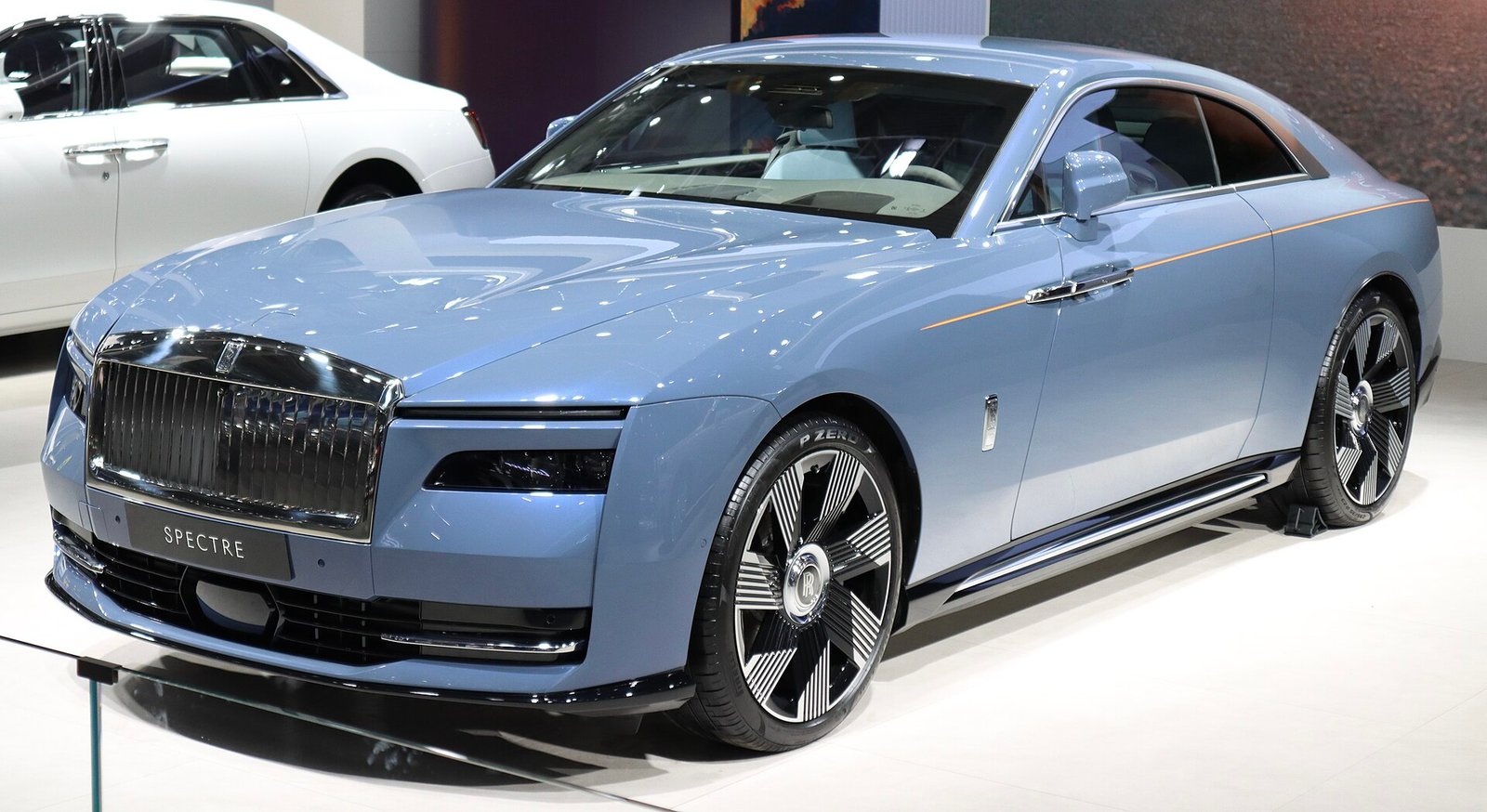
And the electric Spectre, delivered from the end of 2023, adds a new layer: now buyers can add "sustainable" to the show. A 35-year-old’s electric Rolls wrapped in holographic vinyl is not what Henry Royce had in mind.
What a Rolls-Royce used to mean: a Spanish lesson
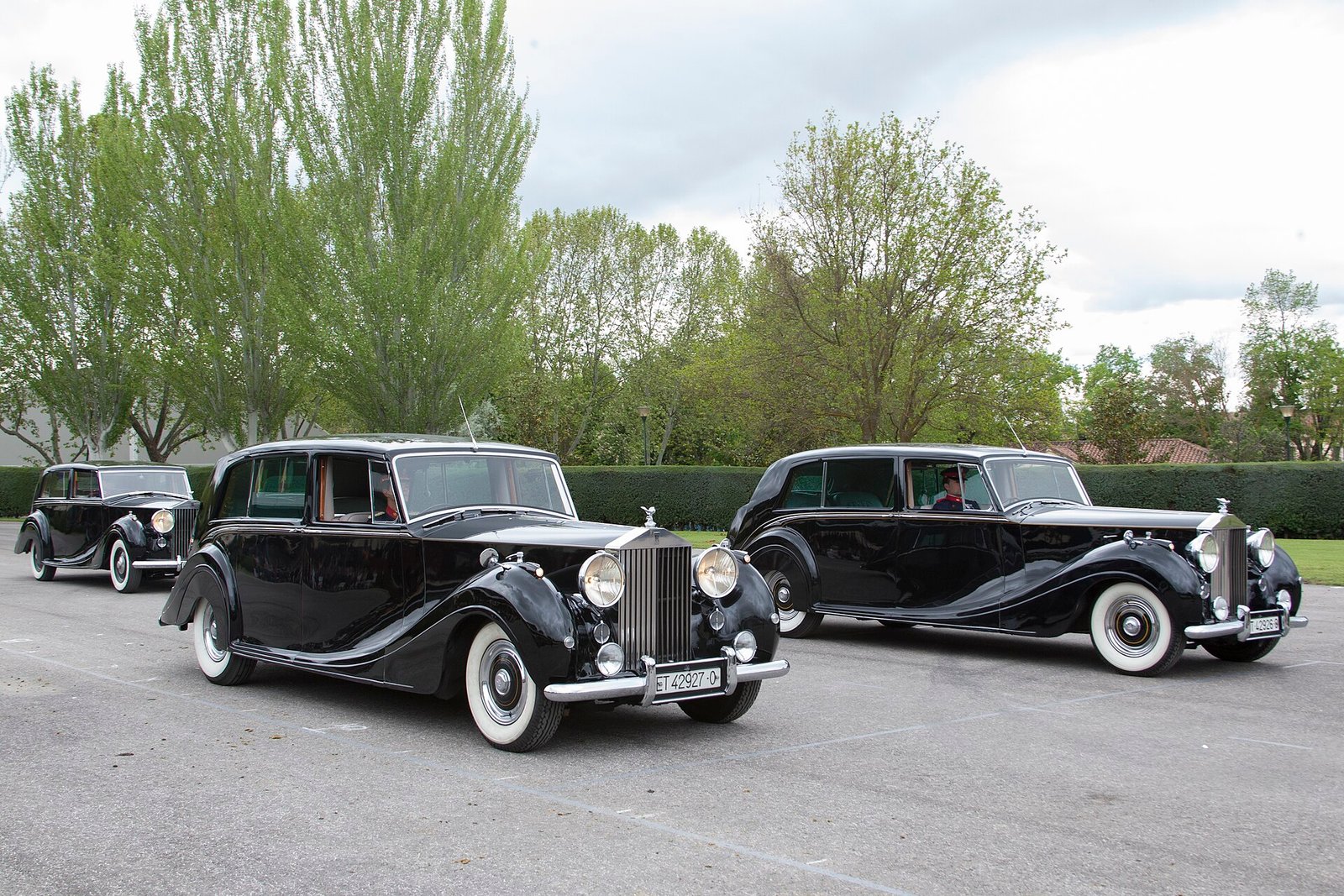
We write from Spain, where the clearest example of the old Rolls-Royce still drives through Madrid a few times a year. In 1948, the dictator Francisco Franco ordered three Phantom IVs, the model Rolls-Royce built only for royalty and heads of state, just 18 in total. They arrived in 1952, and Franco first used the convertible in a parade that July. He was in exclusive company: the very first Phantom IV went to Princess Elizabeth and the Duke of Edinburgh, and the short list of owners included the Shah of Iran and the Aga Khan.
Today those cars belong to the Spanish state heritage agency, are kept at the El Pardo barracks, and are still used by the Royal Household for solemn occasions: the opening of Parliament, the October 12 national day parade, and, after security modifications, the 2004 wedding of Felipe and Letizia and the drive through Madrid after Felipe VI’s proclamation as king in 2014.
That’s the classic Rolls-Royce: a car that appears when a nation needs ceremony and disappears afterward. Nobody films a TikTok in it. Spain once had its own great luxury brand in Hispano-Suiza, but for these moments the Spanish state chose Crewe. It’s the exact opposite of a gold-wrapped Cullinan double-parked outside a sushi place.
Brilliant strategy or brand suicide?
Financially, what Rolls-Royce has done is flawless. Record sales, a younger customer base, new markets. BMW’s shareholders are thrilled.
But true luxury brands aren’t measured only in units. They’re measured in perceived exclusivity, cultural weight and the ability to say something beyond the price. Ferrari understood that for decades, deliberately building one car fewer than the market wanted. Patek Philippe built an entire slogan around the idea that you never really own one; you merely look after it for the next generation.
Rolls-Royce chose the opposite road: sell more, to younger customers with, let’s say, louder tastes. Every car that leaves the dealer and goes straight to a chrome wrap and a TikTok is another nail in the coffin of what the brand used to mean.
Can you blame a company for wanting to make more money? No. Can you point out that, in doing so, it’s spending something that took more than a century to build? Absolutely.
What’s left
Rolls-Royce still builds technically extraordinary cars. The engineering, the materials, the craftsmanship are all there. But a brand isn’t just a product. It’s a story, a promise, a set of values. Right now, those values seem to be: if you have the money, welcome, and we don’t care what you do with the car afterward.
Henry Royce wanted perfection. What he got is a gold-wrapped Cullinan double-parked outside a trendy restaurant while its 25-year-old owner films himself saying "God is good."
Whatever that is, it isn’t perfection. And somewhere in a garage at El Pardo, a 1952 Phantom IV waits for the next state occasion, untouched by any of it.
Check you’re still alive.
Photos: MrWalkr (CC BY-SA 4.0); Loco Steve (CC BY 2.0); Alexander Migl (CC BY-SA 4.0); User3204 (CC BY-SA 4.0); Guardia Real (CC BY-SA 4.0). Via Wikimedia Commons.