Pony cars: how Mustang, Camaro, Barracuda and Challenger turned cheap compacts into an American obsession
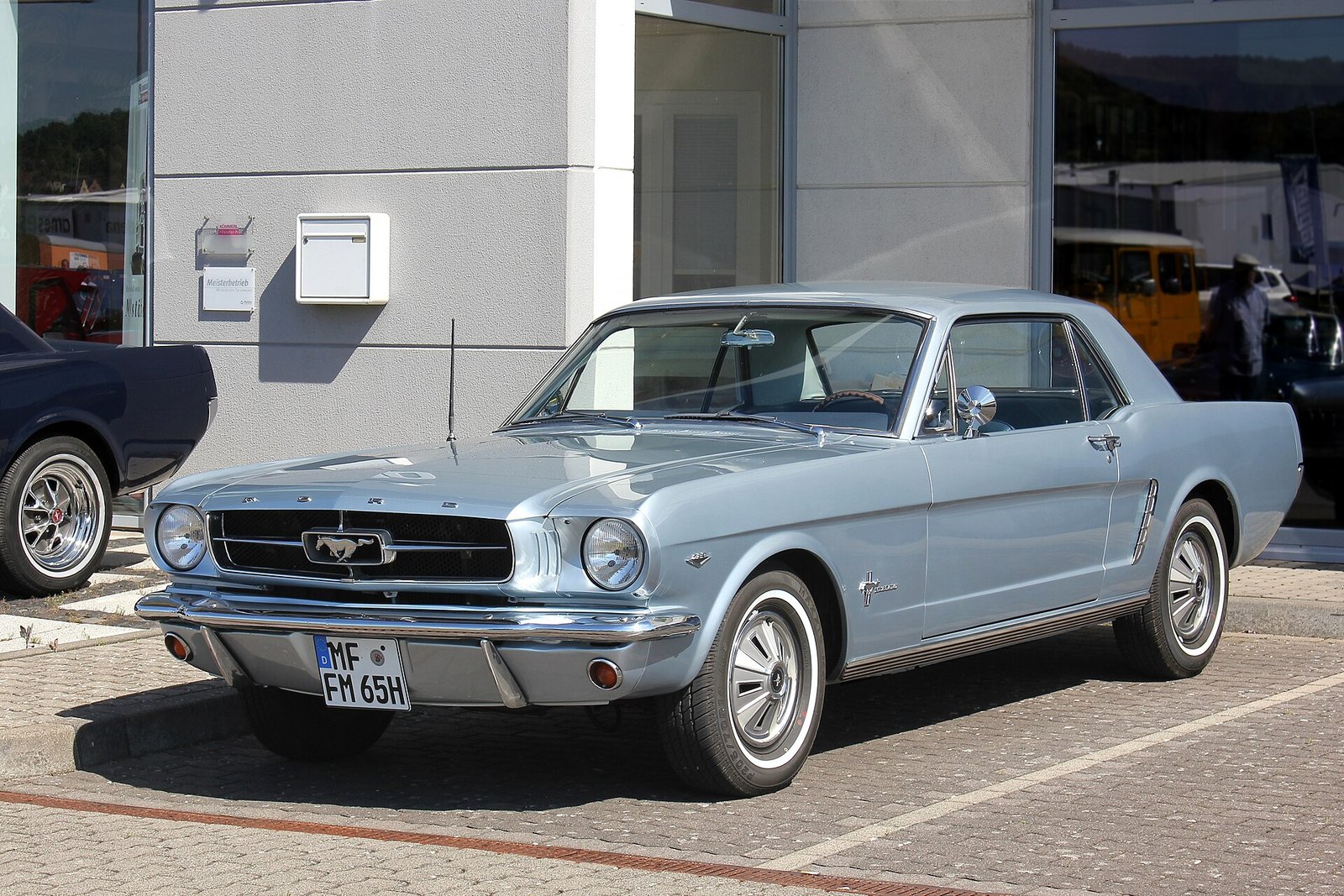
On April 17, 1964, Ford put a new car on display at the New York World’s Fair and on dealer lots across the country. It was built on the bones of the plain Ford Falcon, it started at 2,368 dollars, and it had a galloping horse on the grille. Ford hoped to sell 100,000 in the first year. It passed that number in about three months, and sold more than a million in roughly eighteen. The Mustang didn’t just become a hit. It created a new kind of car, and every American manufacturer spent the next decade trying to copy it.
That kind of car came to be called the pony car, after the Mustang’s horse. Its story runs from the baby boom through the muscle car wars, the oil crisis and the insurance companies, and back again to the retro revival of the 2000s.
In short: a pony car is a compact, affordable, sporty American coupe with a long hood and short deck, built on economy-car underpinnings and offered with everything from a six to a big V8. The name comes from the Ford Mustang, launched on 17 April 1964 for $2,368, which sold a million in about eighteen months. The Plymouth Barracuda actually came two weeks earlier, and Camaro, Firebird, Challenger and others followed.
Lee Iacocca’s bet
The Mustang was Lee Iacocca’s project. Iacocca, then a Ford vice president, read the demographics correctly: the first wave of baby boomers was reaching driving age, they had jobs and some money, and they didn’t want their parents’ sedans. What they wanted was something that looked like a sports car without a sports car’s price or impracticality.
Ford’s solution was cheap and brilliant. It used the Falcon’s chassis and many of its parts, which kept development time and cost down, then wrapped them in a body with a long hood, a short rear deck and a sporty stance. Buyers could order anything from an economical six-cylinder to a powerful V8, and a long list of options let them build the car they wanted. The famous line was that the Mustang was designed to be "designed by you."
On the first day it went on sale, Ford reportedly took around 22,000 orders, and some dealers had to lock their doors to manage the crowds.
The car that was first, and lost
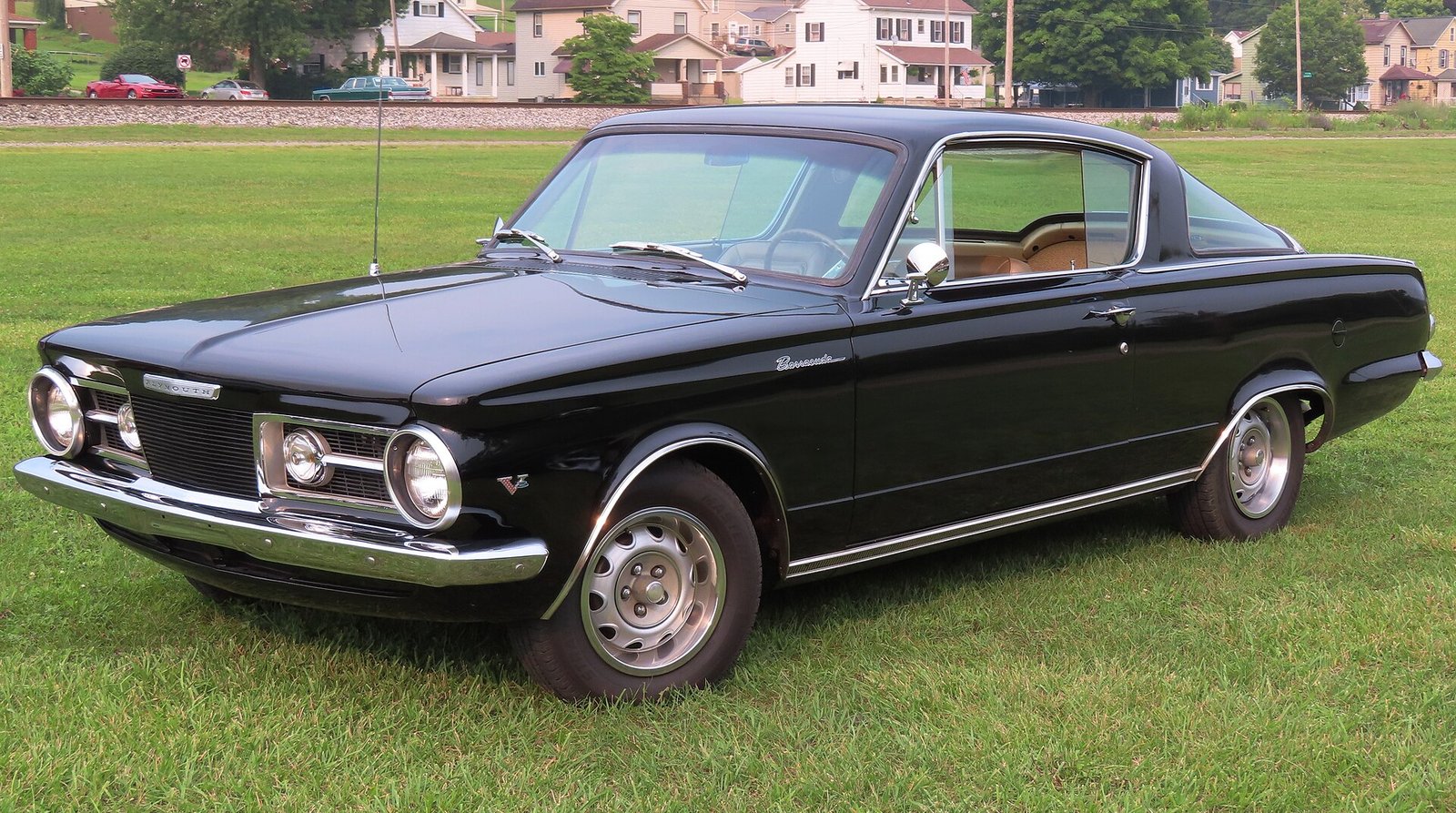
The Mustang wasn’t actually first. Plymouth launched the Barracuda on April 1, 1964, about two weeks earlier. It was a fastback version of the compact Valiant, with a huge wraparound rear window. But Plymouth spent a fraction of Ford’s marketing budget, the styling was less distinctive, and the Barracuda disappeared under the Mustang avalanche. It’s a reminder that in the car business, getting there first matters less than making people want what you’ve built.
Who bought them
The first Mustang buyers weren’t only the young men Ford’s marketing seemed to target. Ford’s own research found that women made up a large share of early buyers, and many were older than expected: the car appealed to anyone who wanted something more stylish than a family sedan without paying for a Thunderbird or a Corvette. Secretaries, college students, young couples and retirees all bought them. That breadth was the real secret. A six-cylinder Mustang with an automatic was an easy, cheap car to live with; a V8 with a four-speed was an entry ticket to drag racing at the local strip. The same body covered both.
What made a pony car
There was never an official definition, but the formula was clear. A pony car was compact or midsize, with long-hood, short-deck proportions, rear-wheel drive and room for four, built on a mass-production platform to keep the price low, and sold with a menu of engines and options from basic to wild.
It wasn’t exactly a muscle car. The classic muscle car, like the Pontiac GTO of 1964, took a big V8 and dropped it into an intermediate-sized family car. The pony car started as a stylish, affordable compact and only later grew big-engine versions. The lines blurred by the end of the 1960s, when you could order a Mustang or a Camaro with a 400-plus cubic-inch V8 that would embarrass most full-size muscle cars.
Everyone joins the fight
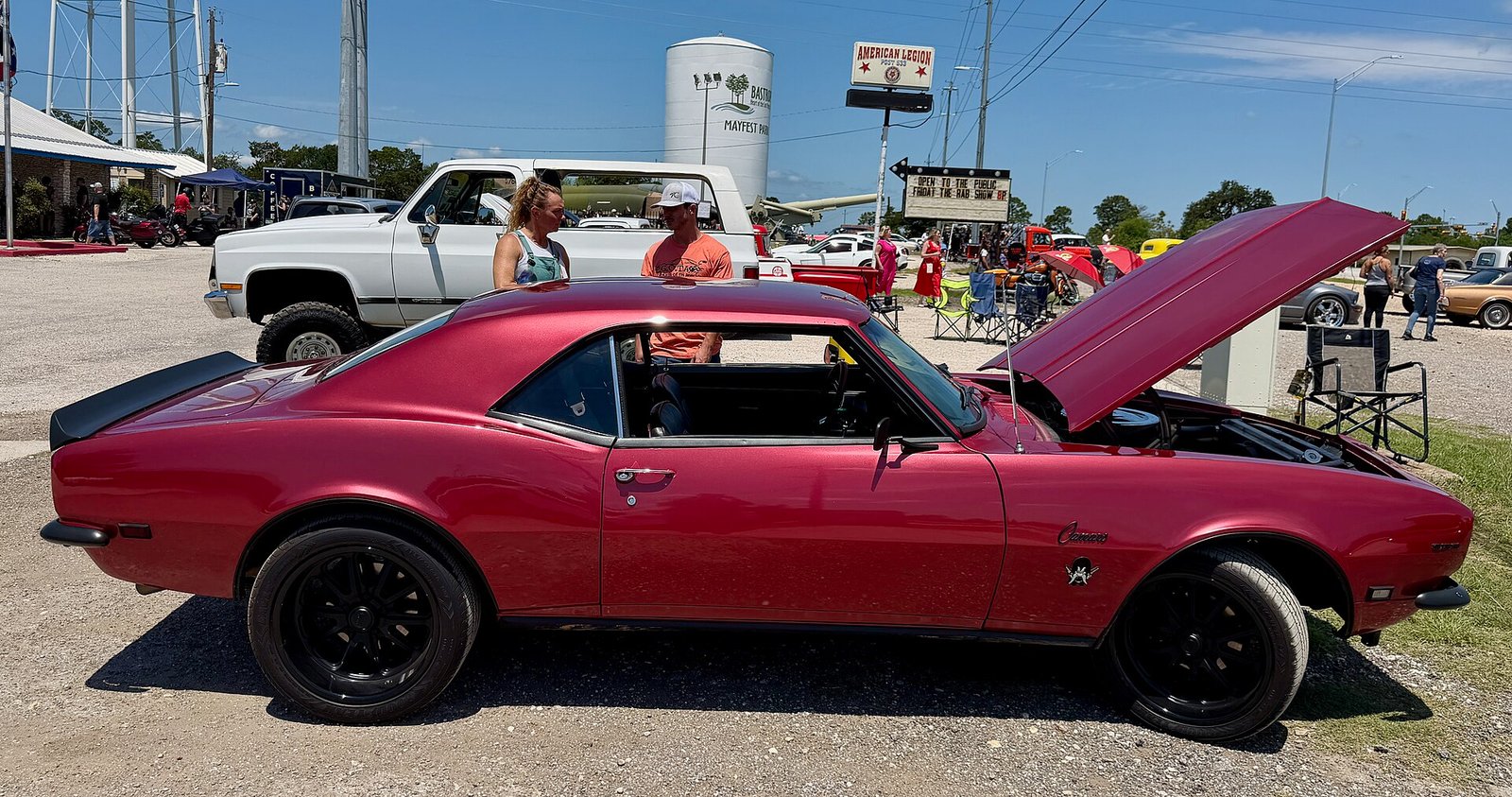
GM first thought its revised Corvair would answer the Mustang. It didn’t, and the Corvair’s sales collapsed amid safety controversy. Chevrolet rushed out the Camaro for the 1967 model year, built on the platform of the upcoming Nova. Its Z/28 package was created specifically to homologate the car for the SCCA Trans-Am series, the road racing championship where pony cars fought each other wheel to wheel on Sunday afternoons.
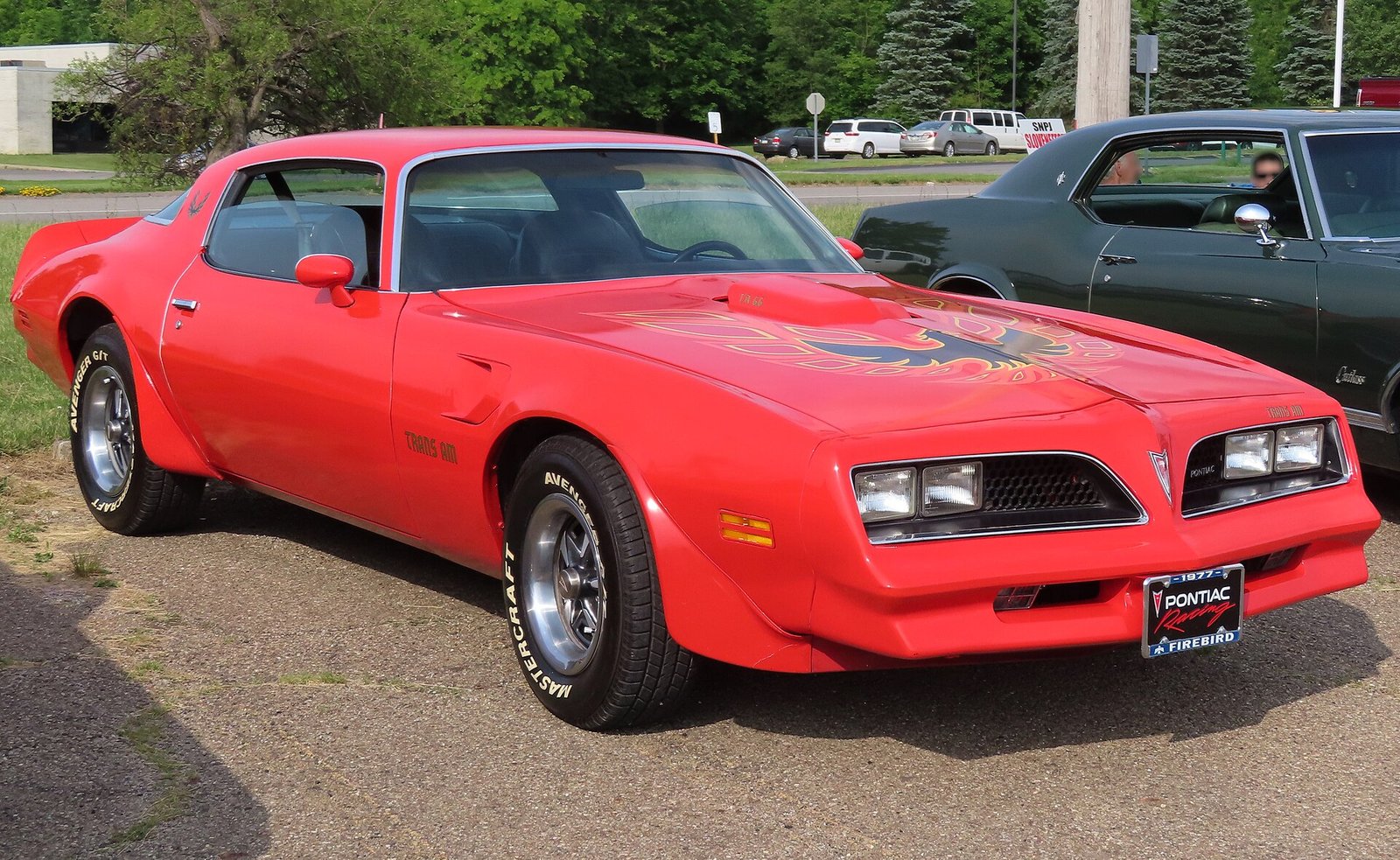
Pontiac followed months later with the Firebird, which shared the Camaro’s structure but had its own styling and engines. Its Trans Am version, introduced in 1969, became a legend in the 1970s. Mercury launched the Cougar in 1967, a Mustang with a longer wheelbase and a more upscale cabin aimed at buyers who wanted the look with a little more luxury.
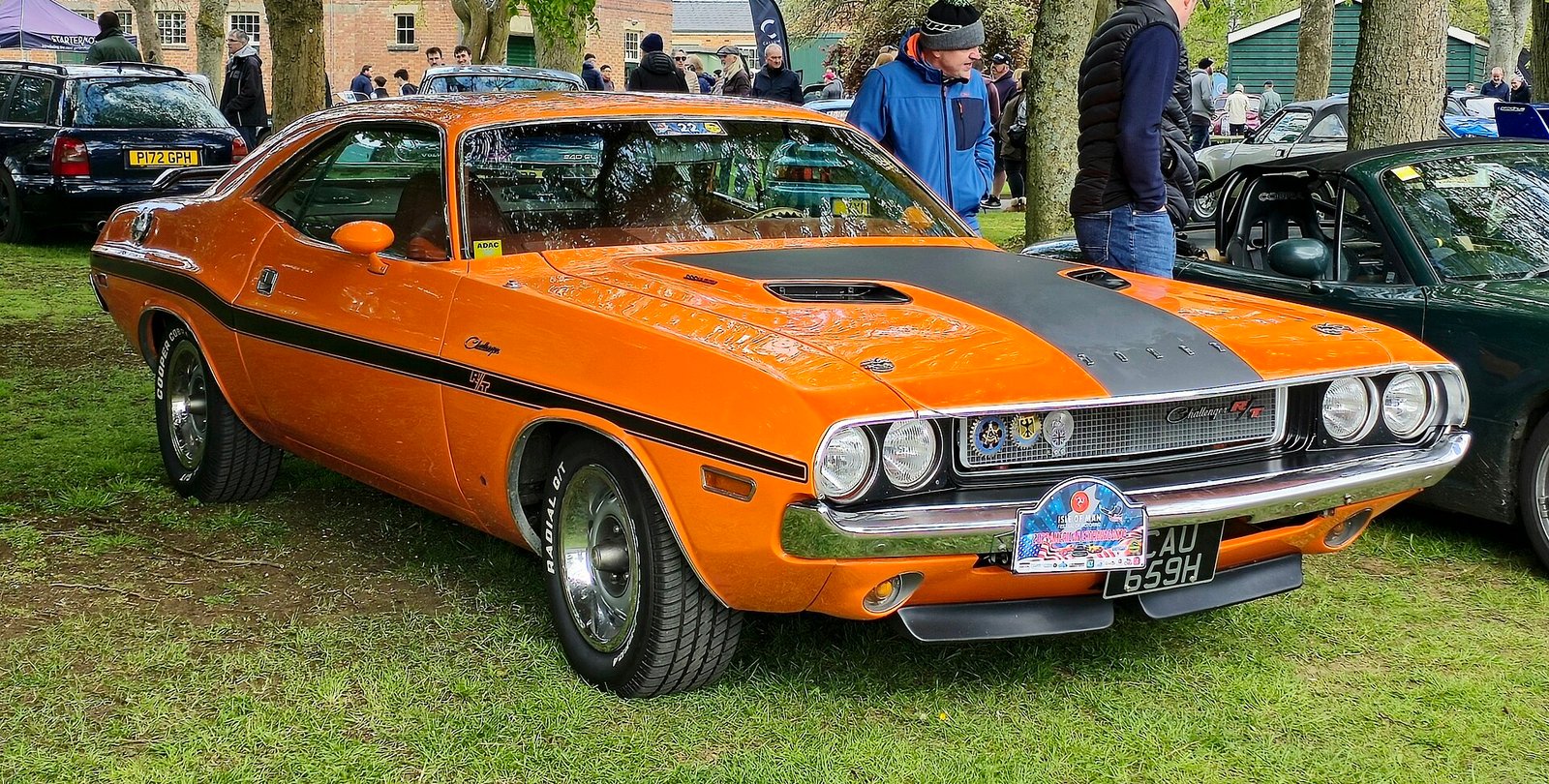
American Motors arrived in 1968 with the Javelin, praised for its clean styling and roomy interior, and the short two-seat AMX that came from it. Chrysler, which had started it all with the Barracuda, came back late with a new E-body platform for 1970: a redesigned Plymouth Barracuda and the Dodge Challenger, available with the 426 Hemi. They arrived just as the market was peaking, and today the Hemi ‘Cuda and Challenger R/T are among the most valuable cars of the era.
The smaller players
AMC’s effort deserves more credit than it usually gets. The Javelin was roomier than a Mustang, nicely styled and competitively priced, and AMC, by far the smallest American carmaker, used it to change its stodgy image. The two-seat AMX derived from it in 1968 was one of the few true American two-seat sports cars of the era besides the Corvette. AMC even won the Trans-Am manufacturers’ title in 1971 and 1972 with Javelins. For a company that mostly sold sensible Ramblers, that was a remarkable result.
Trans-Am: racing on Sunday
The SCCA Trans-Am series turned the pony car war into a weekend spectacle. Ford ran Boss 302 Mustangs, Chevrolet had Roger Penske’s Camaros driven by Mark Donohue, AMC hired Penske too for the Javelin, and Chrysler came with Dan Gurney’s All American Racers ‘Cudas and Challengers. Manufacturers built special road versions, the Boss 302 Mustang, the Camaro Z/28, the Challenger T/A and AAR ‘Cuda, so their race cars would be legal. For a few seasons around 1970, the series was one of the most competitive and popular in American racing.
The pony car goes abroad
The idea traveled. In Europe, Ford built the Capri from 1969, openly billed as the European Mustang: long hood, short deck, a menu of engines from small four-cylinders to V6s, and a price ordinary buyers could afford. It became one of Ford of Europe’s great successes, built in Britain and Germany and sold across the continent. In Japan, Toyota launched the Celica in 1970 with the same recipe of sporty styling on humble mechanicals and a long list of options, and later versions borrowed openly from the Mustang’s look. The pony car was an American invention, but its basic promise, a stylish car for young buyers on a budget, turned out to work almost everywhere.
What they’re worth now
The collector market has sorted the pony cars into a clear hierarchy. Ordinary six-cylinder Mustangs and Camaros from the late 1960s remain among the most affordable classic cars in America, supported by an enormous reproduction parts industry: you can practically build a 1960s Mustang from new parts. At the other end, the rare factory racers and big-engine specials have become serious investments. Hemi ‘Cudas, especially convertibles, have sold for prices in the millions at the biggest auctions, and genuine Boss 429 Mustangs, Yenko Camaros and Trans-Am homologation specials command six-figure sums. The same badge can mean a weekend toy or a museum piece, depending on what’s under the hood and what the paperwork says.
The perfect storm
Then the party ended. In the early 1970s insurance companies began charging huge premiums on high-performance cars, especially for young drivers, which priced many buyers out. Emission standards forced lower compression and less power. And in 1973 the oil embargo brought gas lines and price spikes.
The pony car segment collapsed. The Barracuda and Challenger were dropped after 1974, as was the Javelin. The Cougar grew into a personal luxury coupe. The Camaro and Firebird barely survived. The Mustang itself had grown enormously: the 1973 car was around eight inches longer, six inches wider and roughly 600 pounds heavier than the 1965 original. Ford responded with the Mustang II for 1974, a much smaller car based on the Pinto, aimed at imports like the Toyota Celica. It sold well and is mostly remembered with embarrassment.
Hollywood brings them back
Pop culture kept the idea alive. In 1977 Burt Reynolds drove a black and gold Pontiac Trans Am in Smokey and the Bandit, and Trans Am sales took off. James Garner drove a Firebird in The Rockford Files. A Mustang II Cobra II appeared in Charlie’s Angels. Chevrolet brought back the Camaro Z28 for 1977 after a short absence, helped by the Trans Am’s success.
In 1979 Ford introduced the third-generation Mustang on the lighter Fox platform, and with the 5.0-liter V8 of the 1980s it became the affordable performance car of a generation of American enthusiasts.
Almost killed by front-wheel drive
In the 1980s both Ford and GM came close to ending the rear-drive pony car. Ford developed a front-wheel-drive replacement for the Mustang with Mazda, but after an outcry from enthusiasts the car was sold separately as the Ford Probe and the Mustang survived. GM had its own front-drive plans for the Camaro and Firebird that never reached production. Still, by 2002 GM had dropped the Camaro and Firebird, and for several years the Mustang was the only pony car left.
The retro revival
The 2005 Mustang changed that, with styling that openly recalled the late 1960s. Dodge brought back the Challenger in 2008 with a design that was almost a tribute to the 1970 car, and Chevrolet revived the Camaro for 2010. The pony car war was on again, now with modern V8s making 400, 500 and eventually more than 700 horsepower in the wildest versions.
The Mustang went global with the 2015 model, the first sold officially in markets around the world, including Europe, in right-hand drive. The Challenger added all-wheel drive in 2017. Then the electric era arrived: Ford put the Mustang name on the electric Mach-E crossover, Chevrolet ended Camaro production in 2024, and Dodge replaced the Challenger with the new Charger, including electric versions.
Why the pony car lasted
The pony car survived because it sold something simple: the feeling of owning something special at a price an ordinary person could afford. It wasn’t about the engine layout or the size. It was about a young buyer walking into a dealership and driving out in a car that looked like it belonged on a poster.
Sixty years after that first Mustang, the formula still works. The engines have changed, the safety equipment has multiplied and the prices have grown, but walk past a new Mustang at a stoplight and you’ll see the same thing buyers saw in 1964: a long hood, a short tail and a horse on the grille.
Pony car FAQ
What is a pony car?
An affordable, compact American sporty car with a long hood, short rear deck and a long options list, from economical sixes to powerful V8s. The term comes from the Ford Mustang’s galloping horse.
What was the first pony car?
The Plymouth Barracuda, launched on 1 April 1964, about two weeks before the Mustang. But the Ford Mustang, unveiled on 17 April 1964, defined the class and gave it its name.
Why was the Ford Mustang so successful?
Lee Iacocca built it on the cheap Falcon platform, priced it from $2,368 and offered endless options, aiming at baby boomers. Ford took around 22,000 orders on the first day and sold more than a million in about eighteen months.
Check you’re still alive.
Photos via Wikimedia Commons: 1965 Ford Mustang, Lothar Spurzem (CC BY-SA 2.0 DE); 1964 Plymouth Barracuda and 1977 Pontiac Firebird Trans Am, MercurySable99 (CC BY-SA 4.0); 1967 Chevrolet Camaro, Oleg Yunakov (CC BY-SA 4.0); 1970 Dodge Challenger R/T, Calreyn88 (CC BY-SA 4.0).