
Is an EV the only viable option? Run the numbers before you sign

An EV is sold to Americans as the obvious answer: cheaper to run, nothing to change but the wipers, good for the planet and good for your wallet. Some of that is true. But the pitch skips the parts of the math that show up on a bank statement years later, like what the car is worth when you sell it, what a minor crash costs, what you could have done with the extra money, and who pays when the tax credit disappears. Before anyone tells you an EV is the only sensible choice, it’s worth doing the arithmetic yourself.
The resale cliff
Every car loses value. EVs have been losing it faster. A 2023 iSeeCars study of five-year depreciation put the average EV at 49.1%, against 38.8% for all vehicles. In 2023 alone, used EV prices fell 31.8% in twelve months, while the used market as a whole dropped 3.6%.
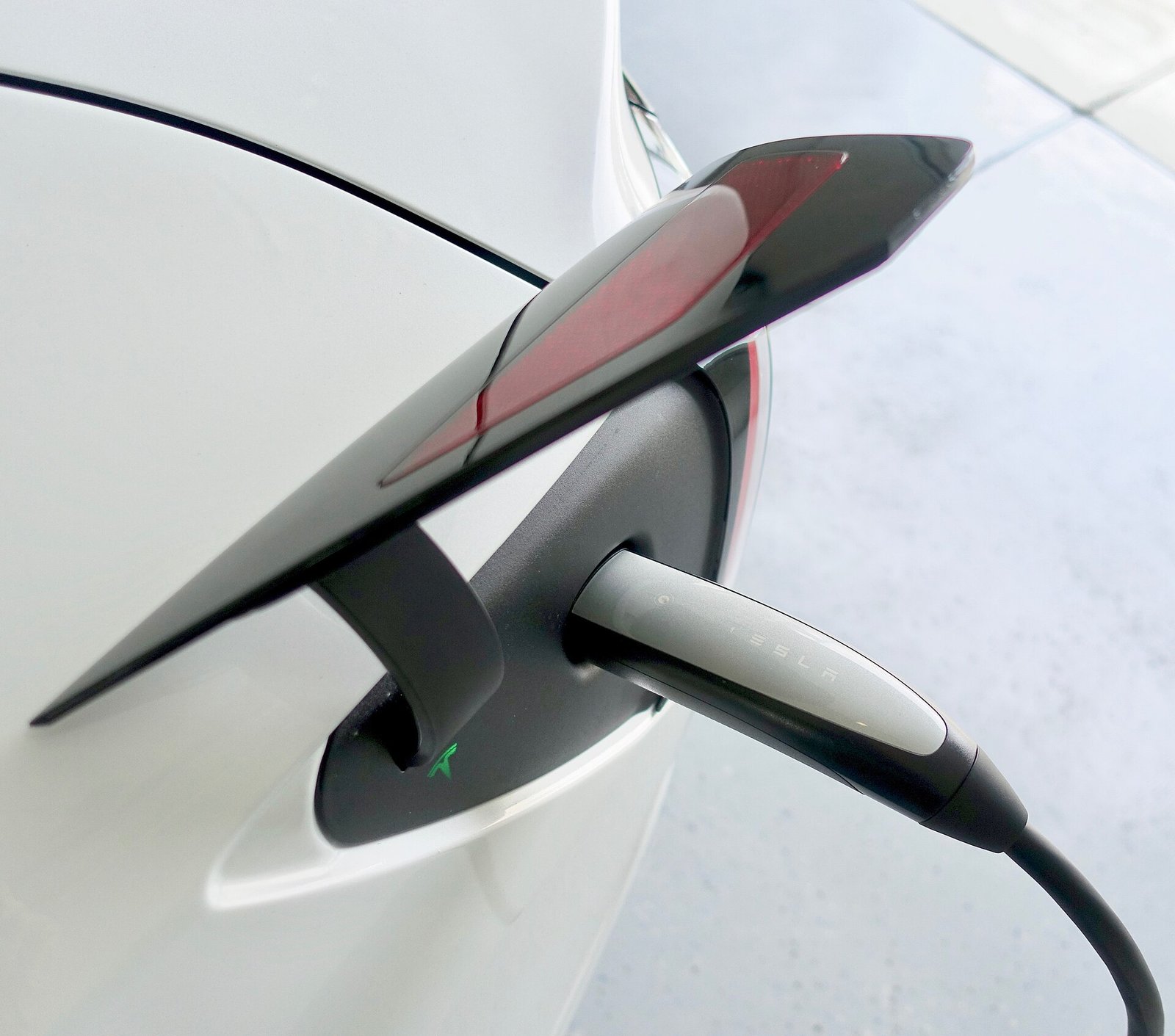
There are reasons. EV technology moves quickly, so a five-year-old model with 220 miles of range looks old next to a new one with 300. Price cuts on new cars, led by Tesla’s repeated markdowns in 2023, instantly knocked down the value of every used one. And buyers of a used EV are, in effect, buying a battery they can’t easily inspect.
Rental giant Hertz learned this the expensive way. In January 2024 it announced it would sell about 20,000 EVs from its U.S. fleet, roughly a third of its electric cars, citing weak resale values and high repair costs, and it took a large write-down on them. When one of the biggest fleet buyers in the country decides the numbers don’t work, private buyers should pay attention.
The battery warranty and the second owner
Federal rules require automakers to cover the high-voltage battery for at least eight years or 100,000 miles, and California demands more for some vehicles. For the first owner, that removes much of the fear of a catastrophic failure. The problem shifts to whoever comes next.

Buy a seven-year-old EV and you inherit a battery near the end of its warranty, with a capacity you can only partly check and a replacement price that can approach the value of the whole car. That uncertainty is a big part of why used EVs fall in value so fast. The market doesn’t like paying for something it can’t measure. Battery health reports are improving, and some dealers now include them, but for now a used EV is still a bet on a component the buyer can’t see.
The crash that totals the car
EVs have fewer moving parts. There’s no oil to change, no timing belt, no transmission fluid, and brake pads last a long time because regenerative braking does much of the slowing. For routine maintenance, that’s a real saving.
The trouble starts with a crash. The battery pack is the most expensive part of the car, and it sits under the floor where curbs, debris and side impacts can reach it. If the pack is damaged and the insurer can’t confirm it’s safe, a modest accident can turn a nearly new EV into a total loss. Repair shops certified for high-voltage work are still thin on the ground in much of the country, which means longer waits and higher labor rates.
That feeds directly into insurance. Higher purchase prices, more expensive parts and specialized repairs generally push EV premiums above those of comparable gas cars. It’s one more line that the fuel-savings calculator on the dealer’s website doesn’t include.
The tax credit that vanished
For years the federal government narrowed the price gap with a tax credit of up to $7,500 on new EVs and up to $4,000 on used ones. Both ended on September 30, 2025. Anyone who built their budget around those credits now pays the full gap, and anyone who bought a used EV hoping to sell it later is competing with a market that no longer has that support behind it.
That’s the lesson of subsidies. When they exist, they make the math look better. When they disappear, the car is still sitting in your driveway, and its value is lower than before.
Electricity isn’t free
The "pennies per mile" pitch assumes you charge at home, overnight, at a cheap rate. Plenty of Americans can. But electricity prices vary enormously across the country. Residential rates in California and much of New England run far above the national average, and public DC fast chargers often bill per kilowatt-hour at prices that, for a road trip, can make an EV cost about as much per mile as an efficient gas car. Add the cost of installing a Level 2 charger at home, which often means an electrician, a permit and sometimes a panel upgrade, and the savings start later than the brochure suggests.

None of that kills the case for an EV. It just means the fuel saving depends on where you live, where you park and how you drive. A commuter in Texas with a garage and a cheap night rate lives in a different EV economy from an apartment renter in Boston who depends on public fast chargers.
What else could that money do?
EVs usually cost more up front than a comparable gas car. Say the difference is $15,000. Invested at a 7% annual return, that money would grow to about $21,000 in five years, a gain of roughly $6,000 that would pay for a lot of gasoline and oil changes. Meanwhile the EV is depreciating faster than the gas car would have.
This is what economists call opportunity cost: the price of a choice includes what you gave up to make it. A car purchase is a financial decision, and judging it only on fuel savings ignores the biggest numbers in the equation.
Heavier cars, faster-wearing tires
Batteries are heavy, and EVs are much heavier than the gas cars they replace. A GMC Hummer EV weighs about 9,000 pounds. A Ford F-150 Lightning tops 6,000. More weight, plus instant torque, wears tires faster, and some studies put the difference at thousands of miles per set. EVs often need specific tires with reinforced construction and noise-reducing foam, and those cost more.
The extra mass also matters for handling and safety. A low battery gives an EV a low center of gravity, which helps. But a car weighing two and a half tons still carries enormous momentum into a corner or a collision, and stability control has to work hard to keep it in line. On a mountain road, in the hands of an inexperienced driver, physics doesn’t care what powers the wheels. In a crash with a lighter car, that extra weight is bad news for the people in the other vehicle.
And there’s an irony in "zero emissions." Tire and brake wear produce fine particles, and heavier cars produce more of them. Tailpipe emissions disappear with an EV. Particles from tires don’t.
Door handles that hide
Flush door handles that pop out when you unlock the car look sleek and help aerodynamics a little. They’ve also become a safety problem. In a crash, or when the 12-volt system fails, some electronic doors can be hard or impossible to open from outside, and sometimes from inside for passengers who don’t know where the manual release is.
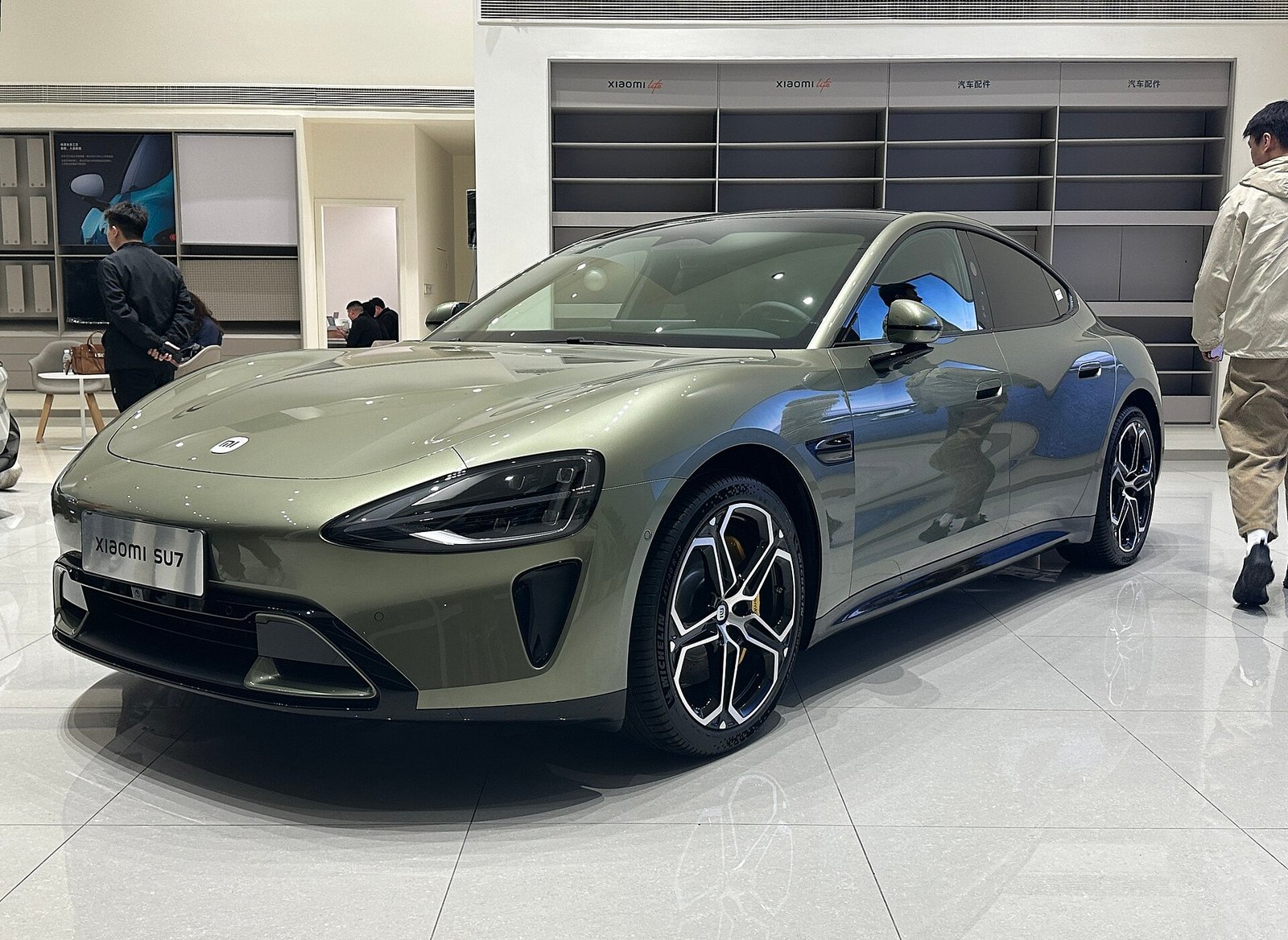
The issue reached national news after a Tesla Cybertruck crash in Piedmont, California, in November 2024, in which three college students died and lawsuits argue they couldn’t get out. In 2025 federal safety regulators at NHTSA opened an investigation into door problems on Tesla Model Y vehicles, after reports of parents unable to reach children locked inside. China has gone further: a new national rule will require every car door to have a mechanical release inside and out starting in 2027.
Subscriptions and range
Some automakers now sell features through subscriptions, from heated seats to performance boosts that the hardware already supports. That model adds a recurring cost to a car you supposedly own, and it raises a question for the used market: who pays for the features once the car changes hands?
Then there’s range. EPA range figures are measured under standard conditions. Real range drops in cold weather, at highway speeds, with heavy loads or towing. Many owners in the northern states discover that their winter range is a long way from the number on the window sticker, and the gap is biggest exactly when charging is slowest.
If you still want an EV, check this
For anyone who has run the numbers and still wants an EV, especially a used one, a few checks make a big difference. Ask for a battery state-of-health report rather than relying on the range shown on the dashboard. Find out how much of its life the car spent on DC fast chargers, which stress a battery more than slow home charging. Confirm the remaining battery warranty in miles and years, and whether it transfers to you. Look hard at the tires, because a worn set on a heavy EV is an expensive surprise. And check how long the automaker will keep supporting the car’s software, since an EV that stops getting updates ages faster than one that does.
The case for keeping gas
None of this means nobody should buy an EV. For a homeowner with a garage and a charger, short daily commutes and cheap electricity, the running costs can be very low, and the driving experience is genuinely good: quiet, smooth and quick. EV fans aren’t wrong about that.
But there’s a parallel market heading the other way. Well-kept gas cars with something special about them, a manual gearbox, a naturally aspirated engine, a model that won’t be made again, have been holding or even gaining value as enthusiasts realize they’re becoming rare. A car you enjoy that loses little value is not the worst investment in the garage.
The transit gap
There’s a social side too. Pushing everyone into EVs assumes people have a driveway to charge in and a car-shaped life to begin with. Millions of Americans live in apartments with no charger, in rural areas where the nearest fast charger is far away, or in cities where public transit doesn’t reach the warehouse districts and industrial parks where they work. If the goal is fewer emissions and less traffic, part of the answer has to be better public transit, not just a more expensive car in every driveway.
Do the math yourself
The EV question isn’t about loving or hating electric cars. It’s about cost. Depreciation, repair and insurance risk, opportunity cost, tires, vanished tax credits, real-world range and safety design all belong in the calculation, next to the fuel savings. Some buyers will run those numbers and find an EV is the right choice. Others will find it isn’t. Neither group is foolish. The only mistake is not doing the math.
If you want more of the argument, read our pieces on why ecology gets paid for twice, on the hypocrisy of hating fossil fuels and on hidden door handles.
Keep reading: Leasing vs Financing vs Buying Cars as Assets: The Real Numbers
Check you’re still alive.
Photos via Wikimedia Commons: Tesla Model 3 charging, Steve Jurvetson (CC BY 2.0); BMW i3 battery pack, RudolfSimon (CC BY-SA 3.0); Xiaomi SU7, JustAnotherCarDesigner (CC0); EV charger in Mahón, Chixoy (CC BY-SA 4.0). Illustration: NEC.