
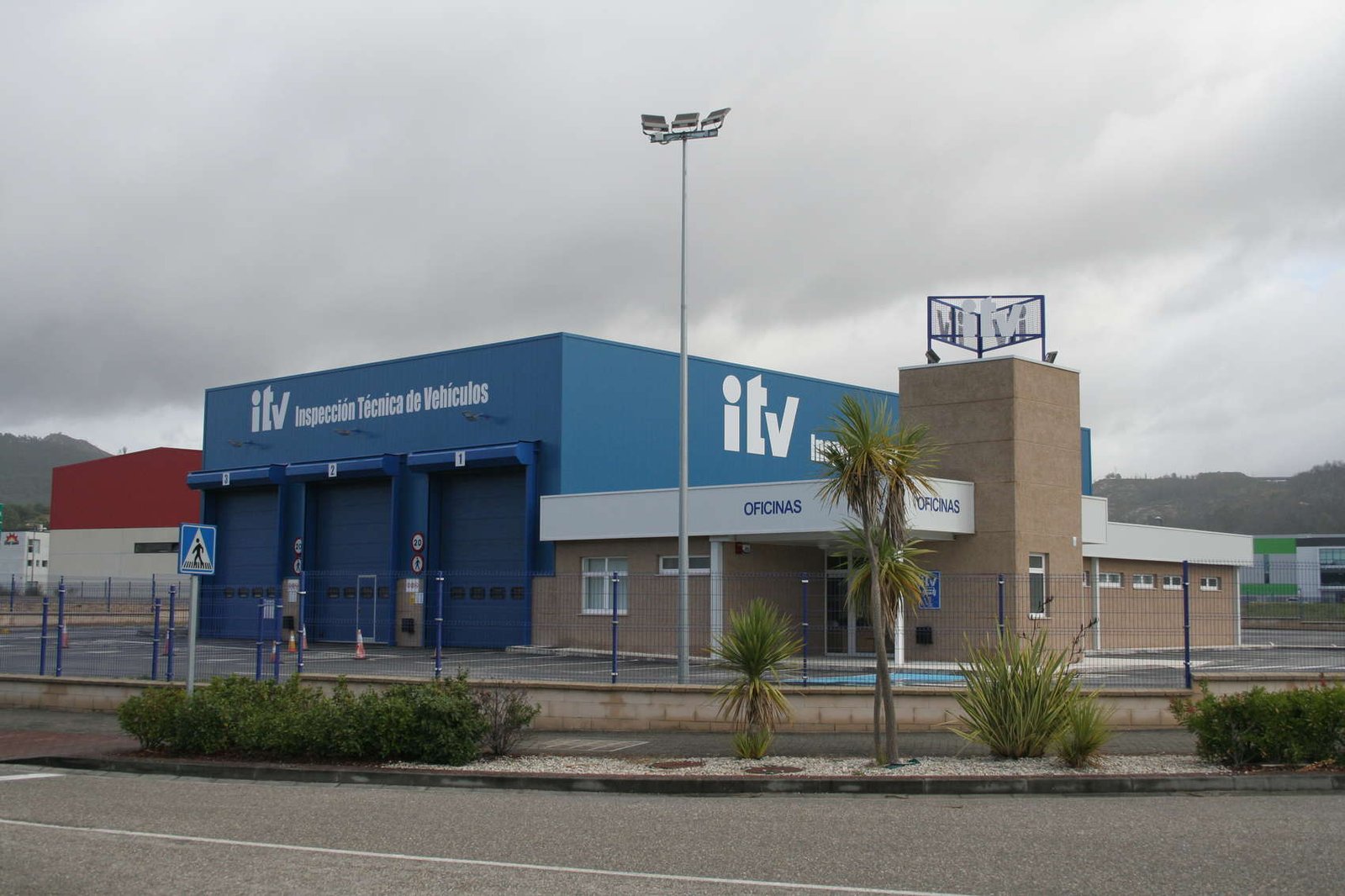
On January 1, 2025, Texas stopped requiring annual safety inspections for passenger cars. New Jersey did the same back in 2010. Depending on how you count, only somewhere between 14 and 17 states still make drivers bring their car in for a periodic safety check. For most Americans, a mandatory government-ordered inspection every year or two sounds like a relic.
In Spain, it’s the law of the land, and it’s getting stricter as cars get older. It’s called the ITV, Inspección Técnica de Vehículos, and almost every Spaniard has an opinion about it, most of them unprintable. Looking at how it works is a useful way to answer a question American states keep arguing about: do periodic inspections actually make roads safer, or do they mostly create a business with a captive customer base?
How Spain does it
In Spain, a private car is exempt for its first four years. After that it goes in every two years until it’s ten, and then every single year for the rest of its life. A 30-year-old classic that’s better maintained than half the cars on the road still has to show up annually.
That calendar is tougher than most of Spain’s neighbors. In France and Italy, after the first inspection at four years, cars go every two years no matter how old they are. Germany’s inspection, the Hauptuntersuchung, is also every two years. Portugal is closer to Spain: every two years until eight, then annually.
In April 2025, the European Commission proposed exactly what Spain already does, annual inspections EU-wide for cars and vans over ten years old. It went over badly. In May 2026, the European Parliament’s Transport Committee rejected it, 30 to 11 with two abstentions. The members said the measure was disproportionate and that there wasn’t enough evidence it would reduce crashes.
What happens at the station
The European rules behind the ITV sort problems into three levels. Minor deficiencies have no real effect on safety or the environment, and the car passes. Major deficiencies can compromise safety or put other road users at risk, and the car fails. Dangerous deficiencies pose a direct and immediate risk.
In Spain, those translate into three results. A pass. A "desfavorable," which gives you two months to fix the problem and come back. And a "negativa," the worst one, meaning the car is considered too dangerous to drive and has to leave the station on a tow truck. The inspection itself covers what you’d expect: brakes on a roller tester, suspension, lights, steering play, tires, emissions, the chassis number, and for newer cars, a check of the computer.
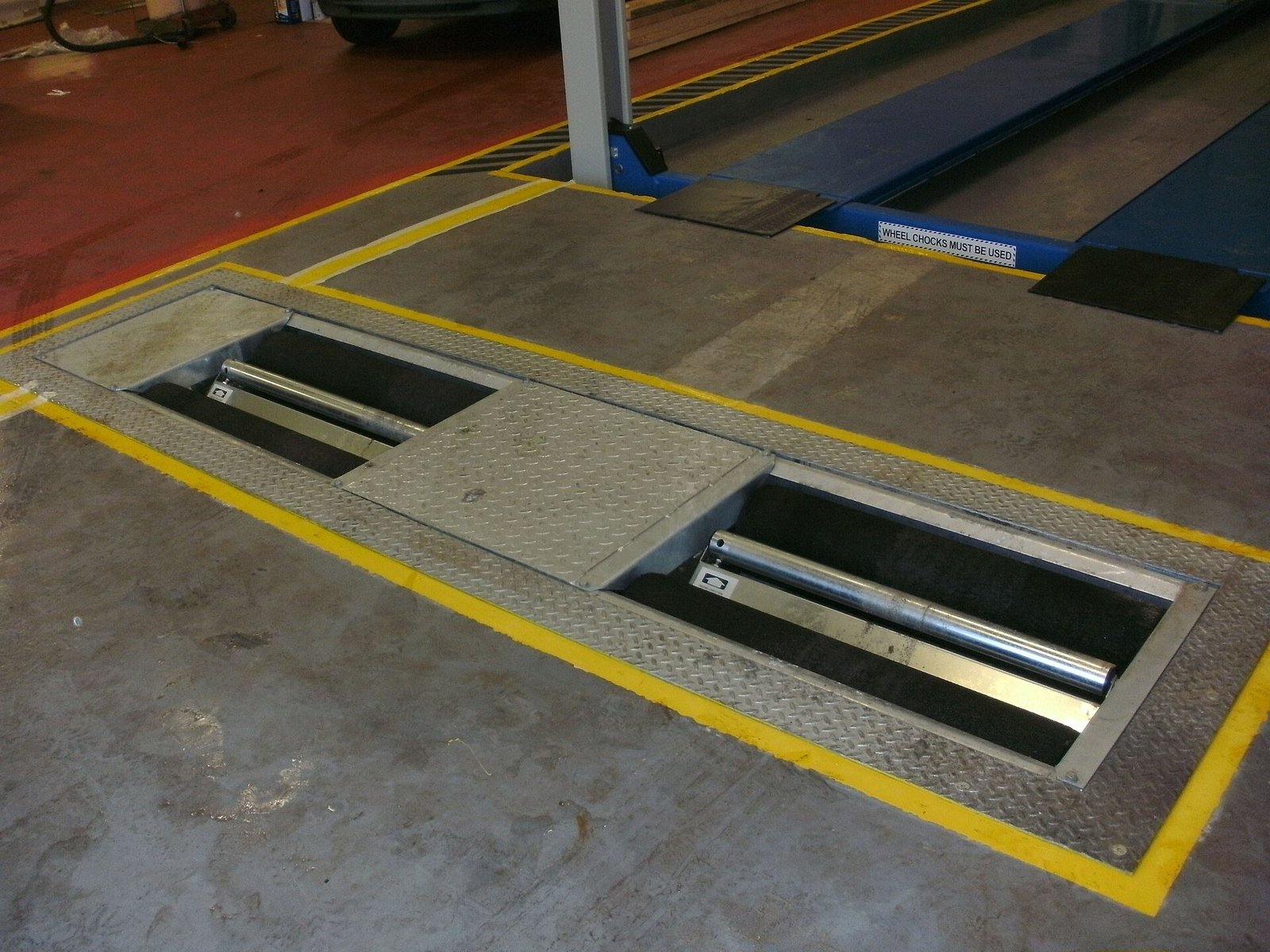
It’s a reasonable checklist. The argument isn’t about what gets checked. It’s about how often, how much it costs and how much paperwork surrounds anything that isn’t stock.
Seventeen prices for one inspection
Here’s the part that would get an American state legislature voted out. In Spain, each autonomous region regulates the inspection, roughly the way states would, and each sets its own price. According to 2026 rate tables compiled by the Spanish site Motorpasión, a gas car’s inspection costs €17.01 in Mallorca and €40.88 in Cantabria. Diesels cost more. In Madrid and Murcia, prices aren’t regulated at all, so each station sets its own, and a diesel can run around €60. Add VAT where it isn’t included and a €4.18 traffic-authority fee.
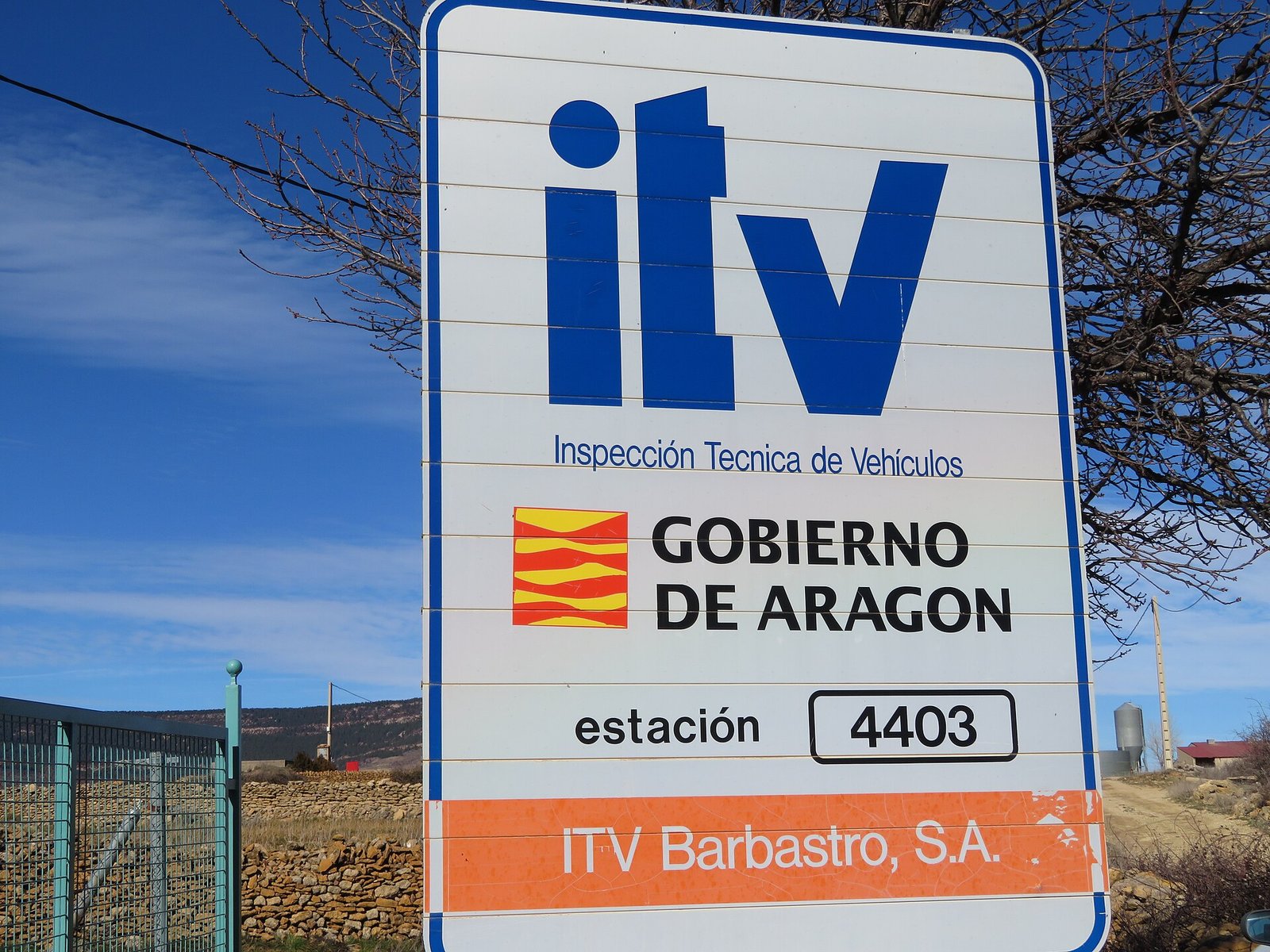
Same car, same inspection, same national rules, wildly different bills depending on where you live. People near regional borders drive across to save twenty euros. Imagine paying three times as much for your emissions test in one county as in the next, for the exact same checklist, and you get the idea. In a country where the same national rules apply to every car, the price tag is the one thing the regions decided to keep for themselves.
It doesn’t have to work that way. In Portugal, since January 2025, a passenger car inspection costs €36.64 everywhere in the country. In Italy, the price is set nationally too: €79.02 at an authorized private center since November 2021, taxes and fees included, the same in Milan as in Palermo.
Meanwhile, back in the States
The American map is a patchwork in the other direction. Sources disagree on a few states, but annual safety inspections are generally listed for Hawaii, Maine, Massachusetts, New Hampshire, New York, North Carolina, Pennsylvania, Vermont and Virginia, and biennial ones for Delaware, Missouri, Rhode Island and West Virginia, among others. A Vermont legislative report from early 2026 counted 17 states with routine passenger-car inspections and noted that five had dropped the requirement since 2000. New Hampshire voted to repeal its program in 2025, and a federal court ordered it kept running while the case is appealed. Many more states run emissions-only testing, which is a different thing.
Does any of it make roads safer?
This is the question US states have been fighting over for decades, and the best American data doesn’t give inspection fans much to work with.
In 2015, the Government Accountability Office reviewed state programs. It cited national estimates that a vehicle component failure is a factor in about 2 to 7 percent of crashes. A factor, not necessarily the cause. State officials told GAO the programs enhance safety, but GAO concluded the benefits and costs were hard to quantify, and earlier research it cited couldn’t find a statistically significant effect on fatality or injury rates.
New Jersey is the closest thing to a natural experiment. The state ended mechanical inspections for passenger cars in 2010 to save about $12 million a year, keeping only emissions testing. Officials said mechanical failures were linked to less than 1 percent of fatalities. In 2014, an analysis by The Record found vehicle malfunctions still accounted for roughly 2 percent of crashes, the same share as in the two years before the change. AAA Mid-Atlantic objected that drivers now had to rely on dashboard warning lights to catch problems.
None of this means inspections are useless. Bald tires and brakes worn to the metal kill people, and somebody should catch them. It means the mechanical state of the car is a small slice of the crash problem, and that how often you inspect matters less than its defenders claim.
The car already knows what’s wrong
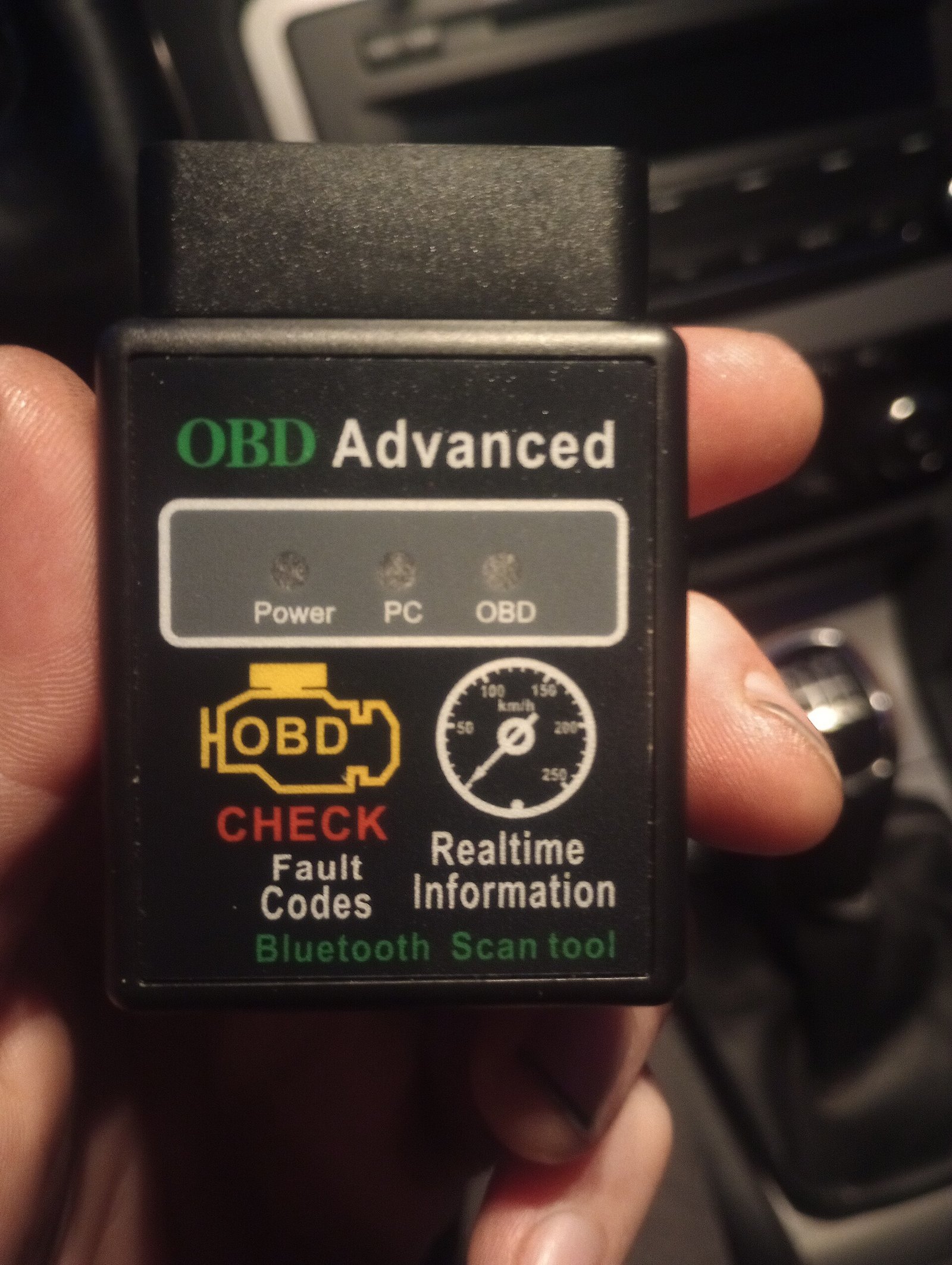
Since 2018, Spanish inspection stations can plug into a car’s OBD port and check that the emissions system has no faults or tampering. American drivers in emissions-testing states know the drill: the station reads the computer, and a check-engine light can fail you.
That creates its own absurdity in Spain, one we dug into in our piece on the EGR valve. Volkswagen rigged the emissions software on 683,626 cars sold in Spain and fixed it with a reflash. A private owner who blocks off a clogged EGR valve gets failed at inspection. A modern car carries dozens of control modules watching itself in real time. Using that data to find genuine safety faults, not just tampering, would be the smart way to modernize inspections. Making older cars come in more often to get looked at the same way isn’t.
The modification wall
Here’s where Spain gets truly alien to an American reader. In the US, outside California’s emissions rules, you can bolt on wheels, an exhaust or coilovers and drive away. California requires a CARB Executive Order for emissions-related parts, and some states have noise or lift limits, but nobody files paperwork for a set of wheels.
In Spain, since a 2010 royal decree known among enthusiasts as the "anti-tuning law," any change to a car from its approved configuration is a "reform," processed under a national manual. Depending on the change, it can require an engineer’s signed technical project, a conformity report from the manufacturer or a lab, a certificate from the installing shop and, always, a visit to the ITV to have it written onto the car’s registration card. Not every change needs an engineer, but plenty do, and the paperwork can cost more than the part.
Germany, often painted as strict, actually runs a part-certification system: if a component carries an approval like an ABE or a technical service report from an organization like TÜV and is installed as specified, in many cases you just keep the document in the car. The UK has an annual MOT and otherwise leaves you alone, as long as you tell your insurer.
The result in Spain is predictable: fewer legal modifications, more off-the-books ones, and specialist shops struggling.
Motorcycles, too
Europe also tried to force inspections on motorcycles. A 2014 directive required them for bikes over 125cc from 2022, unless a country could show other road-safety measures worked just as well. France tried that route, its highest administrative court threw out the exemption in 2022, and the government imposed motorcycle inspections by decree in October 2023. Spain has inspected motorcycles for years. Riders’ groups argue that training, better roads and safer guardrails would save more lives than another trip to the station.
The business
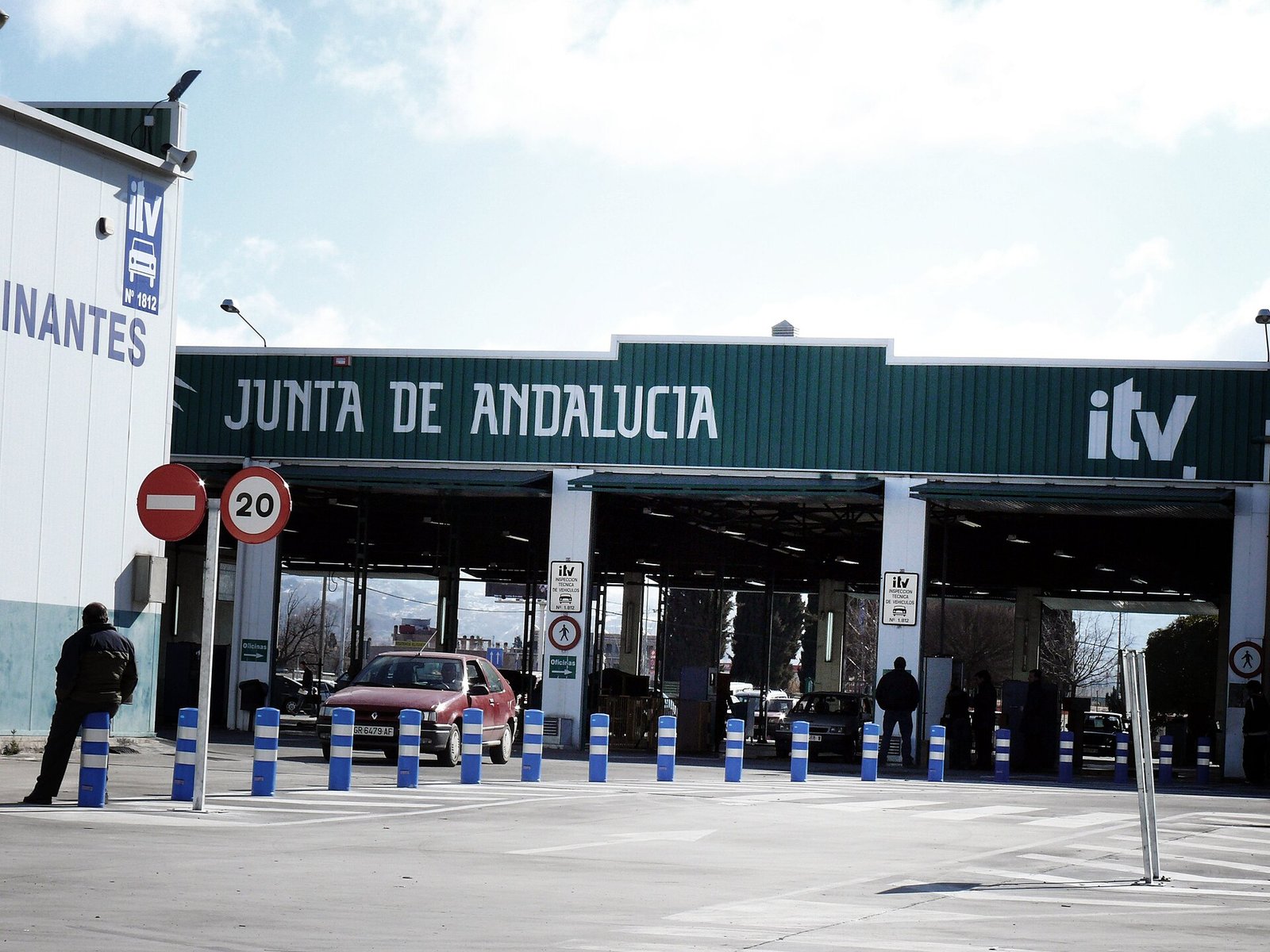
In much of Spain, inspection stations are run by private companies under concessions or authorizations: Applus+, TÜV Rheinland, Atisae, Itevelesa and others. They sell a service the law forces every driver to buy, on a schedule the law sets. In regions with regulated prices, the government sets the fee. In Madrid and Murcia, the market does. Nowhere can the customer decide not to come.
There’s nothing wrong with a company making money doing a job well. What doesn’t sit right is a system where the inspection frequency, the thing that drives revenue, is higher than the neighbors’ without anyone showing it saves more lives. Meanwhile, Spanish traffic policy slaps an environmental sticker on your car based on its registration date and locks older cars out of city centers through low-emission zones.
What Americans can take from it
If your state still inspects, here’s what the Spanish example says a good system should look like:
- One price statewide, not a different bill depending on which county or station you pick.
- A schedule based on evidence, not on the assumption that more is always safer.
- Use the car’s own computer to find real safety problems, not just emissions tampering.
- Leave modifications alone unless they make the car unsafe or illegal on emissions.
- The same standard at every station, so a fail in one town is a fail in the next.
And if your state already dropped inspections, the data from New Jersey suggests the sky didn’t fall. Keep your own car in shape anyway. The best inspection is the one the owner does every time they check the tires, top up the oil and listen to what the car is saying. That’s how cars with soul make it to thirty years old.
Photos: La fabrica de nubes (CC BY-SA 4.0); AJH1975 (CC BY-SA 3.0); Juan Emilio Prades Bel (CC BY 4.0); Mattesák (CC BY-SA 4.0); Arkangel (CC BY-SA 2.0). Via Wikimedia Commons.
Check you’re still alive.