
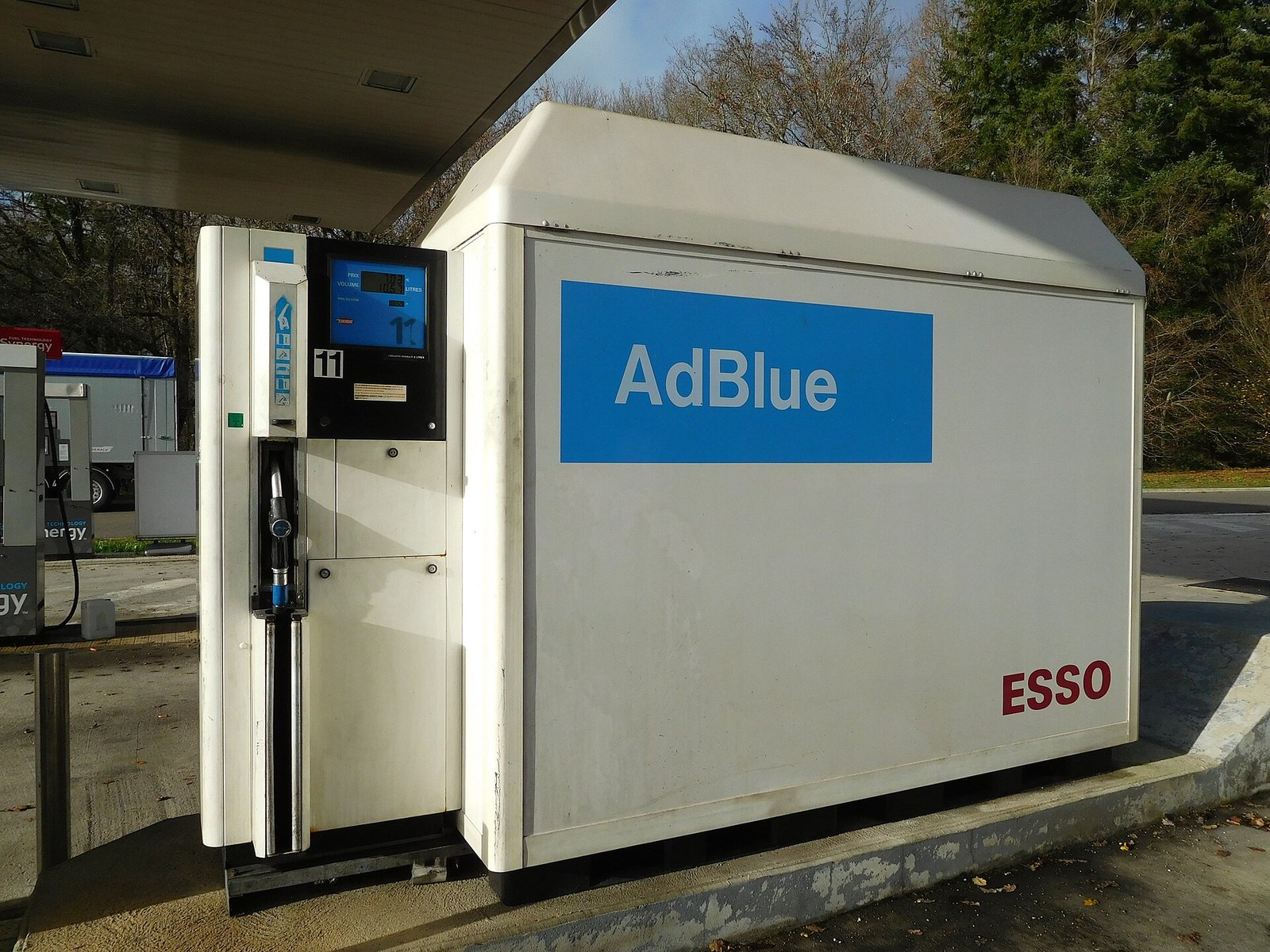
On August 12, 2025, at the Iowa State Fair, EPA Administrator Lee Zeldin stood in front of farmers and announced the agency would act against something every diesel owner in rural America already hated: sudden derates caused by diesel exhaust fluid systems. In some cases, trucks and equipment were being limited to as little as five miles an hour within hours of a DEF-related fault. A sensor goes bad, and a combine or a semi slows to a crawl in the middle of a job.
In Europe, where the same fluid is sold as AdBlue, the punishment is different and in some ways worse. A passenger car doesn’t crawl. It simply refuses to restart. We’ve been living with that in Spain for a decade, and it’s worth looking at the whole system from both sides of the Atlantic, because the problem isn’t the fluid. It’s what the software is allowed to do to you when a cheap part fails.
In short: AdBlue (DEF) is a 32.5% urea solution in water injected into the exhaust of modern diesels. Heat releases ammonia, which in the SCR catalyst turns nitrogen oxides into nitrogen and water. To work it needs a heated tank, pump, lines, injector and sensors, and any of those parts can fail and even stop the car from starting.
What DEF is and why diesels need it
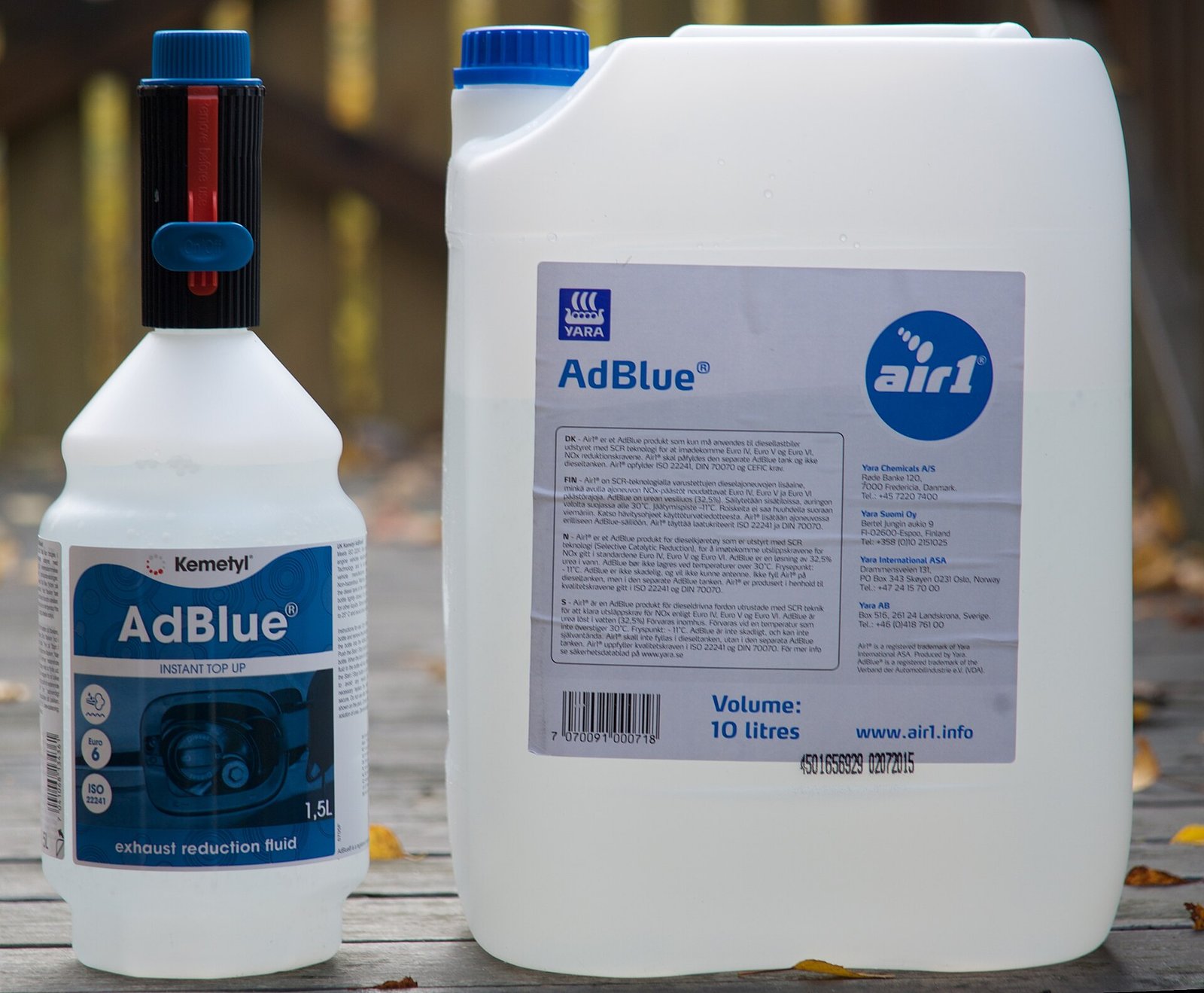
DEF is a solution of 32.5 percent urea in deionized water. It’s injected into the exhaust, where a system called selective catalytic reduction, SCR, uses it to clean up the gases.
The underlying problem is the one we covered with the EGR valve. A diesel always runs with extra air, and in oxygen-rich exhaust the three-way catalytic converter that cleans a gasoline engine can’t remove nitrogen oxides, NOx. So diesel makers have two options: stop NOx from forming, which is what EGR does, or destroy it afterward. SCR does the second:
- DEF is sprayed into the exhaust ahead of the SCR catalyst.
- Heat breaks the urea down and releases ammonia.
- The ammonia reacts with NOx inside the catalyst.
- What comes out is nitrogen and water.
Simple chemistry, and genuinely effective at cutting NOx when it works. Complicated hardware. To make it work, you need a separate tank with a heater, because DEF freezes at about 12 degrees Fahrenheit, a dosing pump, heated lines, an injector living inside the exhaust, NOx sensors before and after the catalyst, the SCR catalyst itself, level, temperature and sometimes quality sensors, and software watching all of it and deciding what you’re allowed to do.
A whole system that didn’t exist before, bolted onto an engine that ran fine without it.
What breaks
The tank module. It carries a level sensor, a temperature sensor and a heater, and on many vehicles they’re all integrated with the pump in one assembly. Level sensors are a notorious failure: the dash says the tank is empty when it’s full, or shows nothing at all. When everything is one module, you often replace the whole thing, not just the sensor.
The pump. It has to meter precisely a fluid that crystallizes when it dries out. Urea crystals are the enemy of the entire system, clogging pumps, filters and injectors. Contaminated or old fluid, or a vehicle that sits for months, raises the risk.
Heated lines and connectors. Plastic connectors cycling between cold and heat, more heating elements, more places to leak.
The injector. It sprays a water-based fluid into a very hot exhaust. If the system doesn’t purge properly at shutdown, urea crystallizes in the nozzle, and dosing goes wrong.
NOx sensors. Two of them, living in the exhaust stream and expensive to replace. When one fails, the truck can’t prove it’s clean, and the countdown begins.
The SCR catalyst. It doesn’t fail often, but when it does, it’s one of the bills that really hurts.
Derates in America, lockouts in Europe
In the US, the penalty has been derating: the engine computer cuts power, step by step, until the vehicle can barely move. That’s what farmers, truckers and contractors fought for years, and what the EPA moved against in 2025. Its August guidance urged manufacturers to update the software on vehicles already in service to reduce derates, and the agency pointed out that, starting with model year 2027, new on-road diesel trucks must be designed to avoid sudden and severe power loss after running out of DEF. In early 2026, trade reports said the EPA had gone further and was assessing whether derates were needed for compliance at all.
Europe’s rules for diesel cars went another way. Under European emissions law, a vehicle that uses a reagent like AdBlue must have a driver inducement system: if the tank runs dry or certain faults occur, the car warns you and, eventually, won’t restart. Each brand presents it differently, with miles remaining, restarts remaining or increasingly stern messages. The ending is the same. The counter hits zero and the car won’t start. Not slower. Not limited. It doesn’t start.
A Spanish mechanic we work with has seen it play out exactly like this: a customer on a road trip gets the warning, stops for fuel, stops for lunch, spends the night in a hotel, and runs out of restarts about 30 miles from the shop. Tow truck. The fault was a bad level sensor. The tank was full.
The software doesn’t tell the difference between a dead sensor and a destroyed catalyst. Same treatment. Same lockout. And resetting the counter often requires the manufacturer’s diagnostic software, which independent shops don’t always have.
Interestingly, the UN regulations these rules build on carve out exemptions for ambulances, police and emergency vehicles. Everyone else gets no mercy.
When the fluid ran short
Spain learned how fragile all this is in 2021. DEF is made from urea, and urea is made from natural gas. In the fall of 2021, with gas prices exploding, Spain’s main AdBlue producer, Fertiberia, halted production at its plant in Palos de la Frontera in October. Other European plants stopped too, including Yara’s in Ferrara, Italy. China raised tariffs and restricted exports, and the market price of urea jumped 46 percent between September and October.
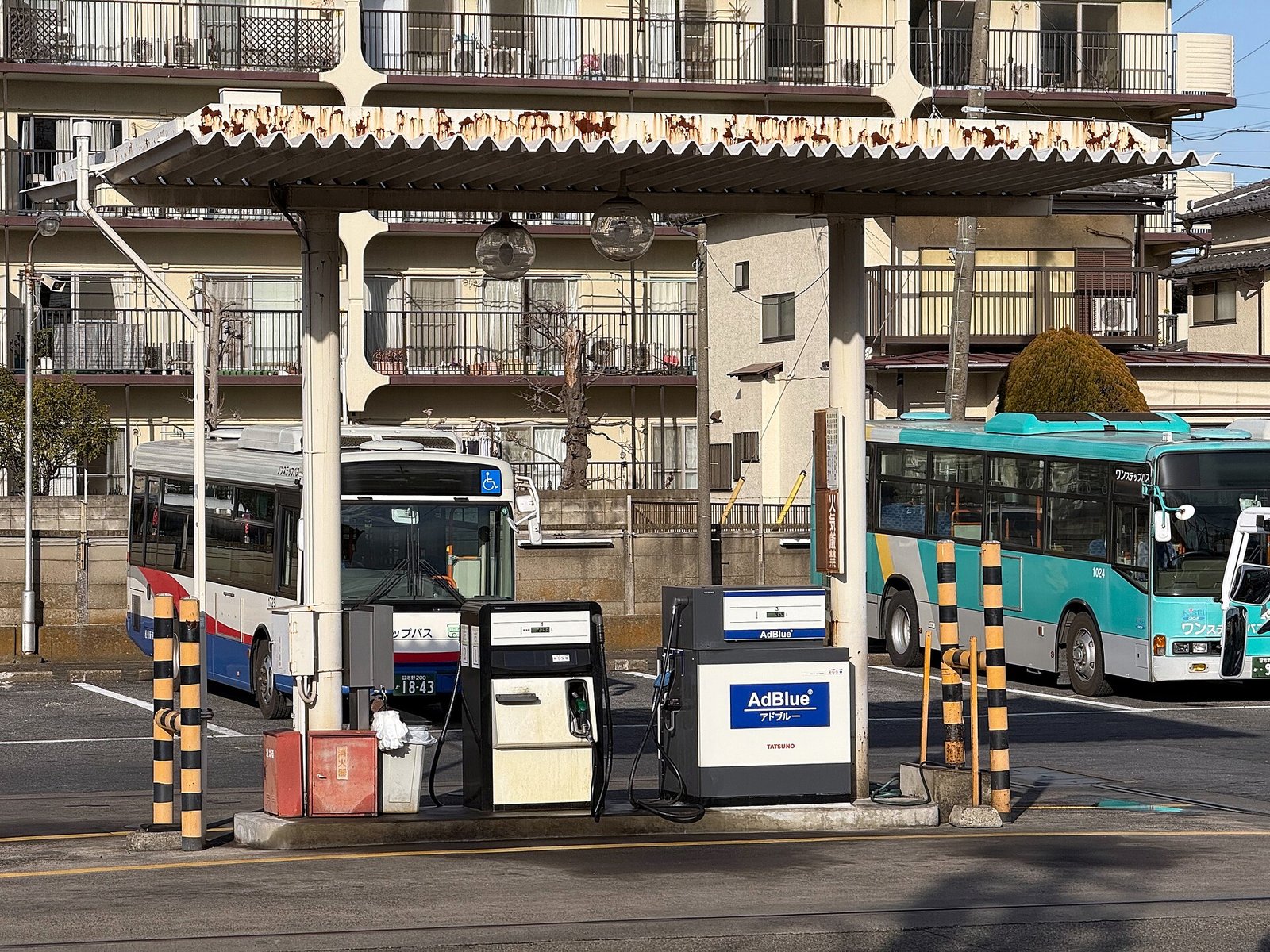
A Spanish truckers’ association told its members to stock up. In Germany, the price per liter went from 19 euro cents at the end of 2020 to 69 cents by late October 2021, according to the German haulage association BGL. There was no serious shortage for private drivers in the end, but the lesson stuck: a big share of a country’s trucks and modern diesel cars depends on a fluid made from imported gas. No DEF, no diesel. Literally.
Layer after layer
In Europe, every emissions standard added another layer. Euro 5, from 2009 for new models, effectively forced diesel particulate filters, the other half of the story we told in our DPF breakdown. Euro 6, from 2014, cut the NOx limit for diesel cars from 180 to 80 milligrams per kilometer, and most diesels added SCR or a NOx trap. On-road emissions testing made SCR close to universal. Euro 7 applies to new car models from November 29, 2026, and to all new cars a year later.
The US went through its own version with the 2010 heavy-duty standards that brought SCR to most big trucks. Either way, the modern diesel can’t run legally without a chemical plant hanging off its exhaust.
Old diesels weren’t clean, but they were different
Let’s be precise, because myths cut both ways. A late-’90s diesel wasn’t free of emissions controls. A Volkswagen TDI of that era had a turbo, an oxidation catalyst and a simple EGR valve. What it didn’t have was a DPF, SCR, a DEF tank, NOx sensors or a countdown. That’s why it started every morning without asking permission.

It also put out more NOx and soot than a modern diesel. Nobody disputes that. But when something broke, you could diagnose it with ordinary tools and fix it at any shop. Today, much of what fails on a modern diesel isn’t the engine itself, it’s everything hung on it to pass certification.
The "fixes" being sold
Delete kits and emulators that fool the system into thinking it’s working. In the US, tampering with emissions controls violates the Clean Air Act, and the EPA has spent years going after it; in Spain, inspection stations read the car’s computer. You also put out far more NOx, which is the whole point of the system.
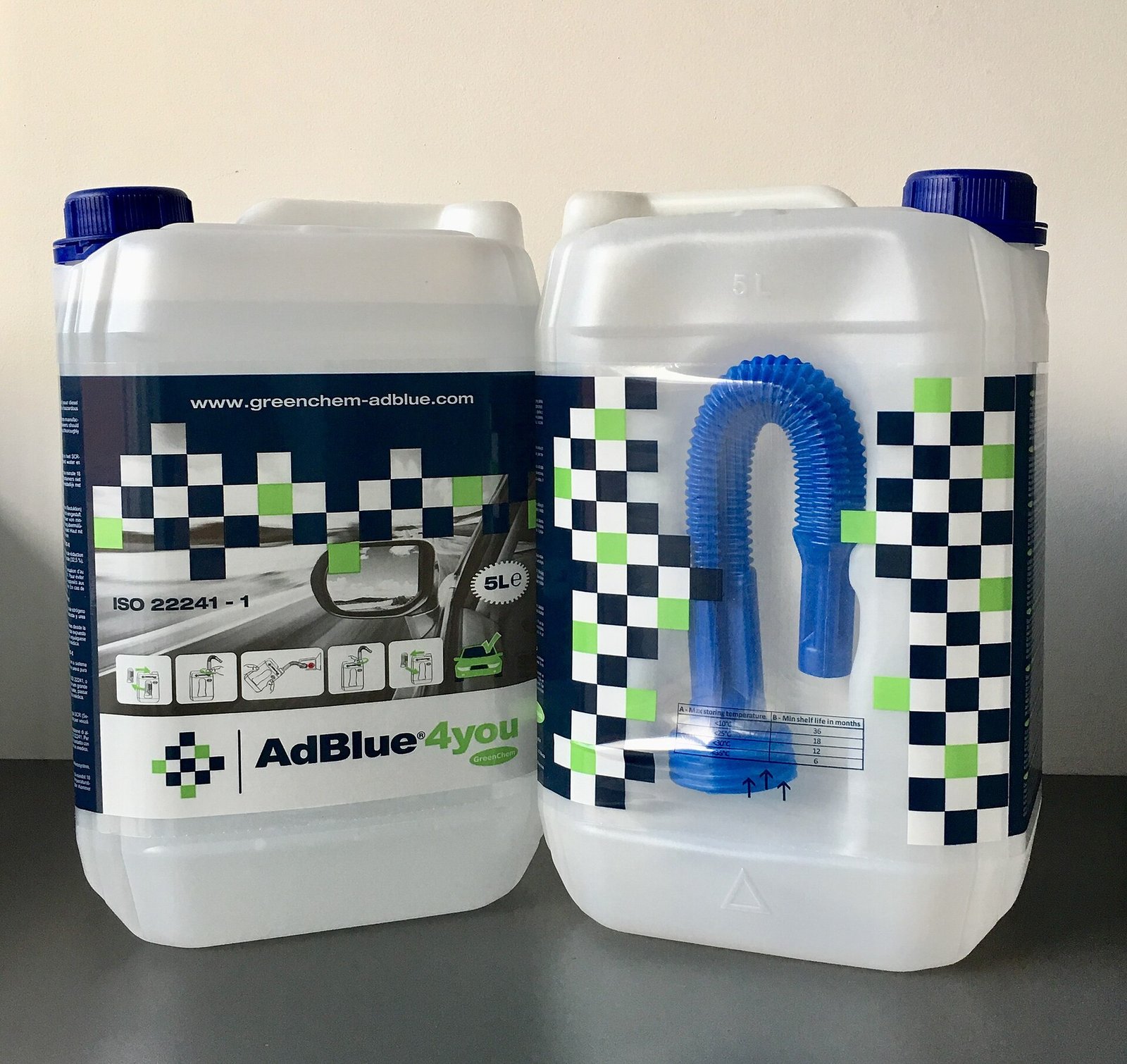
Careful maintenance is the only legal answer: use fluid that meets the ISO standard, from a sealed container that isn’t old, don’t let the vehicle sit for months, take a long highway run now and then, and don’t run the tank dry. It won’t prevent every failure, but it cuts the odds.
Buying a used diesel with DEF
If you’re shopping for a used diesel pickup or SUV, the emissions system deserves as much attention as the engine. Ask for service records that show DEF-related work, and look for recalls or software updates for that model’s SCR system. Scan the computer for stored codes, not just active ones; a history of DEF level, heater or NOx sensor faults tells you a lot. Check under the vehicle and around the tank for white crusty deposits, which are dried urea from leaks. And be very wary of a truck that’s "been tuned": if the emissions equipment has been deleted, you’re buying a legal problem along with the truck, and putting it back can cost a fortune.
Ask how the vehicle was used, too. A diesel that spent its life doing short trips around town never got hot enough for long enough, which is hard on the DPF and the SCR system alike. One that spent its life on the highway is usually the better bet.
Why it hits truck owners hardest
Americans feel this more than most Europeans, because the people who buy diesels in the US mostly buy them to work: to tow, to haul, to run a farm or a business. A diesel car in Europe that won’t restart is an expensive inconvenience. A pickup on a job site, or a tractor-trailer on a deadline, that suddenly drops to five miles an hour is lost income, sometimes for days while parts are ordered. That’s why the pushback came from farm groups and truckers, and why the EPA chose a state fair to announce the change.
The bottom line
We don’t believe in conspiracies. We believe in incentives. Who benefits from a system that needs a consumable, fails with some regularity and often requires dealer software to repair? Not the owner, who pays for all of it.
The EPA’s 2025 move shows that even regulators have started admitting that punishing a driver for a bad sensor is absurd. Europe hasn’t gotten there yet. Like start-stop, DEF is technology built for the certification test first and the driver second. The cars with soul never needed anyone’s permission to start.
AdBlue FAQ
What is AdBlue and what is it for?
A solution of 32.5% urea in demineralised water. It is injected into the exhaust ahead of the SCR catalyst: heat releases ammonia, which reacts with nitrogen oxides (NOx) and turns them into nitrogen and water.
Why does the AdBlue system fail?
Because urea crystallises as it dries and clogs pumps, filters and injectors, and because the fluid freezes at around -11 °C, so the tank and lines have to be heated. Level and NOx sensors are other common failures.
What happens if AdBlue runs out?
The car warns you with a countdown in kilometres and, if it is not refilled or if the system detects a fault that is not fixed, it can prevent the engine from restarting.
Check you’re still alive.
Photos: Cjp24 (CC BY-SA 4.0); Lenborje (CC BY-SA 4.0); Greenchem adblue4you (CC BY-SA 4.0); VVVN (CC BY 3.0); Charles from Port Chester (CC BY 2.0). Via Wikimedia Commons.