
On February 12, 2026, EPA Administrator Lee Zeldin announced that the agency was eliminating the off-cycle credit tied to what his own press release called the almost universally hated start-stop feature. Nine months earlier he’d posted on X that the EPA had approved it, "everyone hates it," and they were fixing it. For a lot of American drivers, it was the first time anyone in Washington had admitted the thing existed for the regulators, not for them.
From Spain, where we’ve lived with start-stop since long before it became common in American trucks, the story looks familiar. The system didn’t spread because drivers asked for it. It spread because test procedures rewarded it. And the bill for that reward lands on the owner, sometimes in ways you won’t see until the car is out of warranty.
In short: Start-Stop switches the engine off when you stop and restarts it when you release the brake or press the clutch. In town it saves 0.2 to 0.4 litres per 100 km, around 25 to 50 euros a year, but it needs pricier AGM or EFB batteries and punishes the starter motor and other parts. For the carmaker, its real value is lowering type-approval CO2 emissions.
How it works, and why it’s there
The idea is simple. When the car stops at a light or in traffic, the engine shuts off. When you lift off the brake or press the clutch, it restarts. An engine that isn’t running burns no fuel. So far, so good.
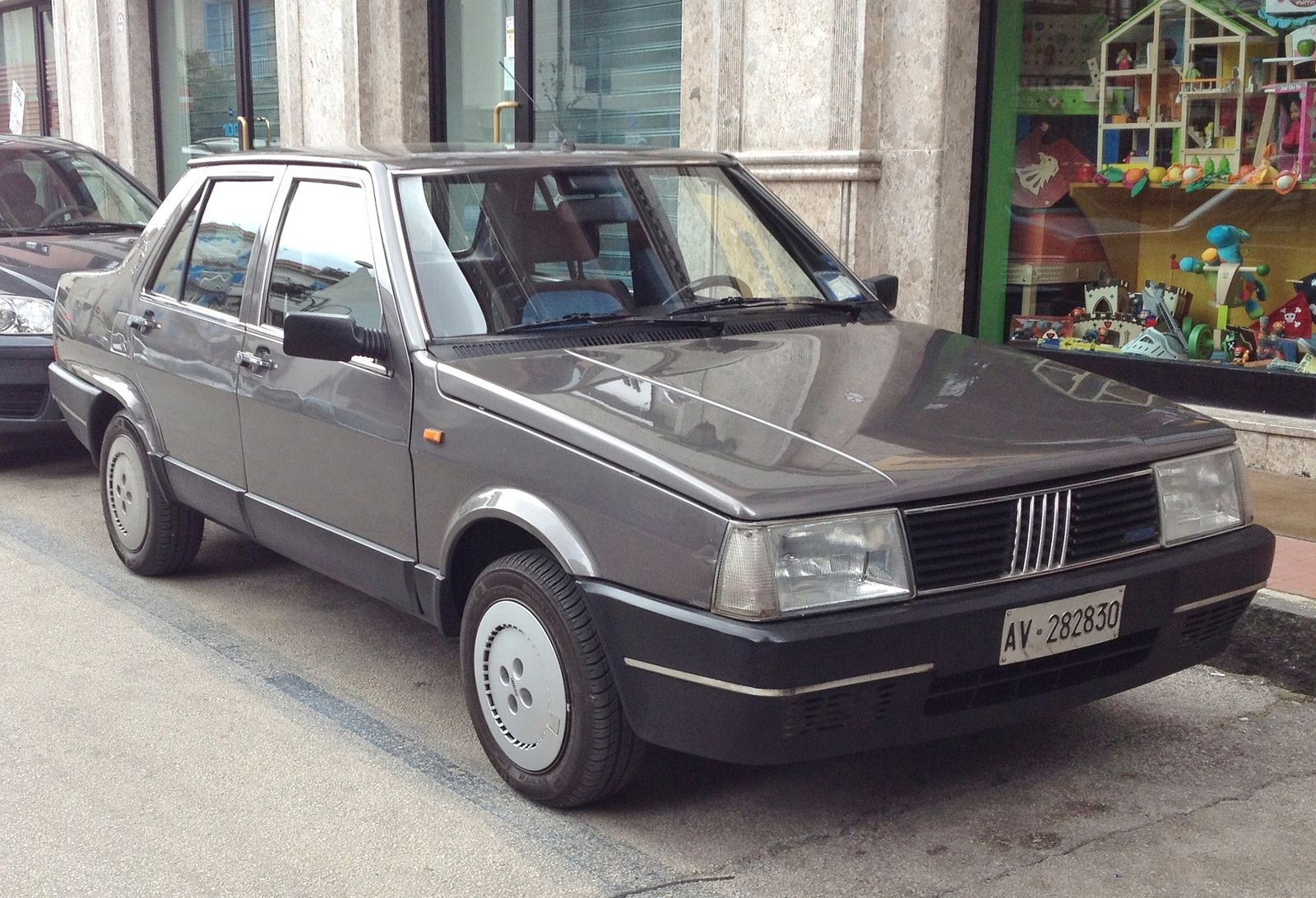
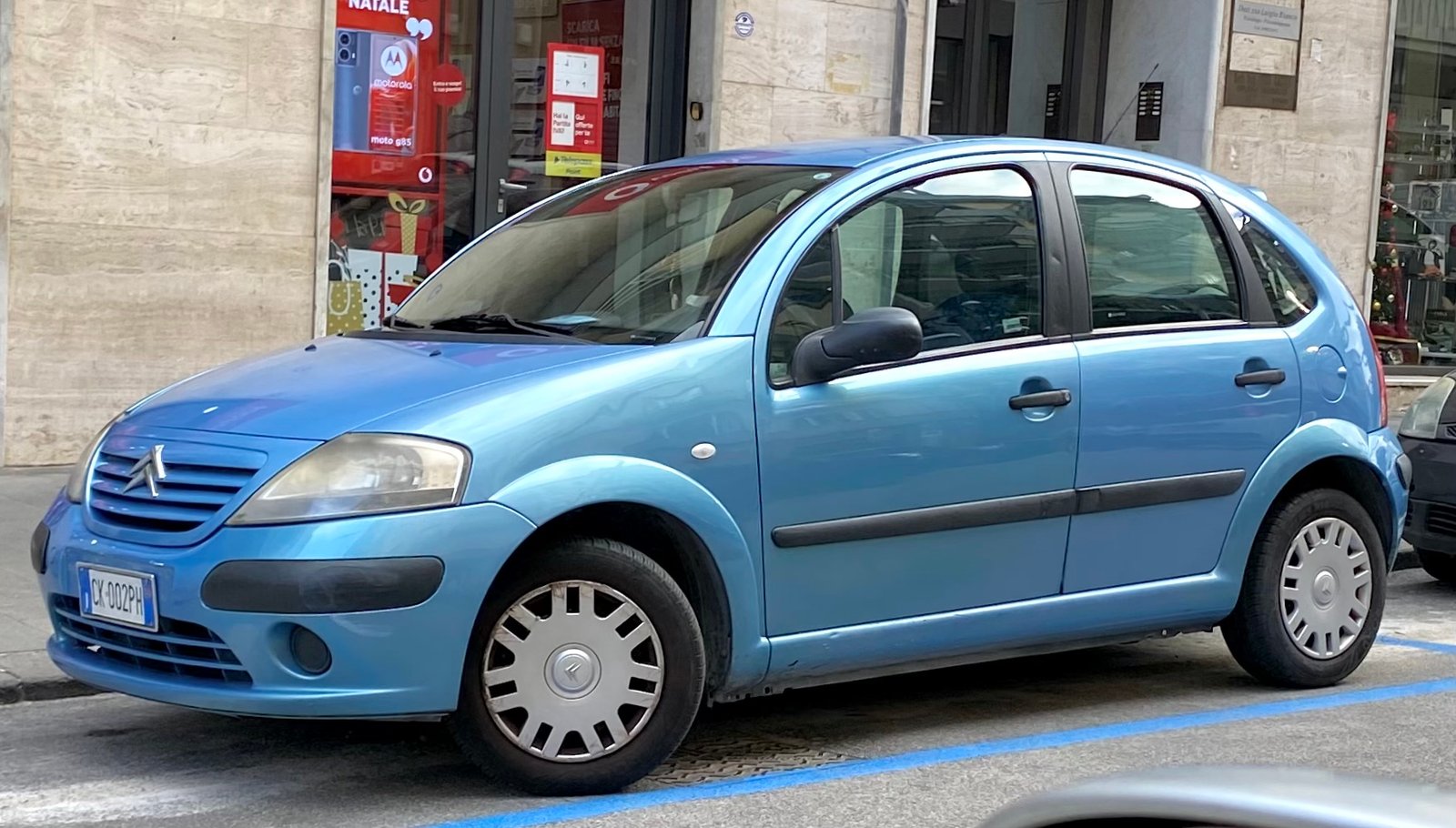
The idea is older than most drivers think. Fiat invented it: in 1983 the Regata ES, for "Energy Saving," came with a system called Citymatic, developed by Fiat’s research center, that shut the engine off at stops and restarted it automatically. Drivers were wary even then, worried the engine wouldn’t restart when the light changed. Mass adoption came much later, in 2004, with the Citroën C2 and C3, which used a reversible alternator that doubled as a starter.
The reason it’s in nearly every new car is regulatory. In the US, automakers had to meet fleet-wide greenhouse gas standards, and the EPA, starting in 2012, offered "off-cycle credits" for technologies that saved fuel in the real world but weren’t fully captured by the lab test. Start-stop was one of them. Credits helped automakers hit their targets and avoid penalties.
Europe went further and blunter. Since a 2009 regulation, each automaker’s average CO2 emissions are capped, and if the fleet goes over, the company pays €95 for every gram over, for every car sold. Go three grams over on a million cars and that’s €285 million. Any technology that shaves a few grams off the official number is worth a fortune to the automaker, even if it barely changes anything for the driver.
What the EPA actually did
The start-stop announcement was a small piece of a much bigger move. The February 2026 final rule eliminated the 2009 greenhouse gas Endangerment Finding and the federal greenhouse gas emission standards built on it for vehicles and engines from model year 2012 onward. With the standards gone, the credits that helped automakers meet them, including all off-cycle credits, went too. Start-stop just happened to be the most visible, and the most hated, of those credits.
That matters for how you read the headlines. Nobody banned start-stop. What disappeared is one of the regulatory reasons automakers had to fit it. Whether they keep it, drop it, or simply let the button remember your choice is now a business decision, and different companies may land in different places. Europe’s CO2 rules, meanwhile, haven’t changed, so cars designed for global markets may keep the system regardless.
The test that loved it
Here’s the part almost nobody explains. Start-stop only saves fuel while the car is stopped, so how much it helps on paper depends on how much of the official test the car spends sitting still.
Europe’s old test cycle, the NEDC, had the car stationary for 23.7 percent of the time, according to an analysis by the International Council on Clean Transportation. That was a gift: nearly a quarter of the exam with the engine off and zero fuel burned. The newer WLTP cycle, which is closer to real driving, cuts stationary time to 12.6 percent. Studies confirm the effect. In one published test of a gas direct-injection car, start-stop cut fuel use by 5.1 percent on the old NEDC cycle from a cold start, but only 1.7 percent on the WLTC cycle from a warm start.
In other words, the feature spread when the tests rewarded it heavily. Today they reward it much less, but it’s already standard equipment almost everywhere.
On the road, the savings depend on how you drive. In stop-and-go city traffic with long waits, it saves something. On the highway, nothing. For most drivers, the real-world saving is a few percent at best.
What it costs you
A special battery
Start-stop doesn’t work with a conventional battery. It needs one built for constant deep cycling: an EFB, an enhanced flooded lead-acid battery, for simpler systems, or an AGM, where the electrolyte is held in a glass-fiber mat, for more demanding ones and those that recover energy under braking. Both handle far more charge cycles than a standard battery, and both cost noticeably more. Put a cheap conventional battery in to save money, and the system will act up, the battery will die early, or both.
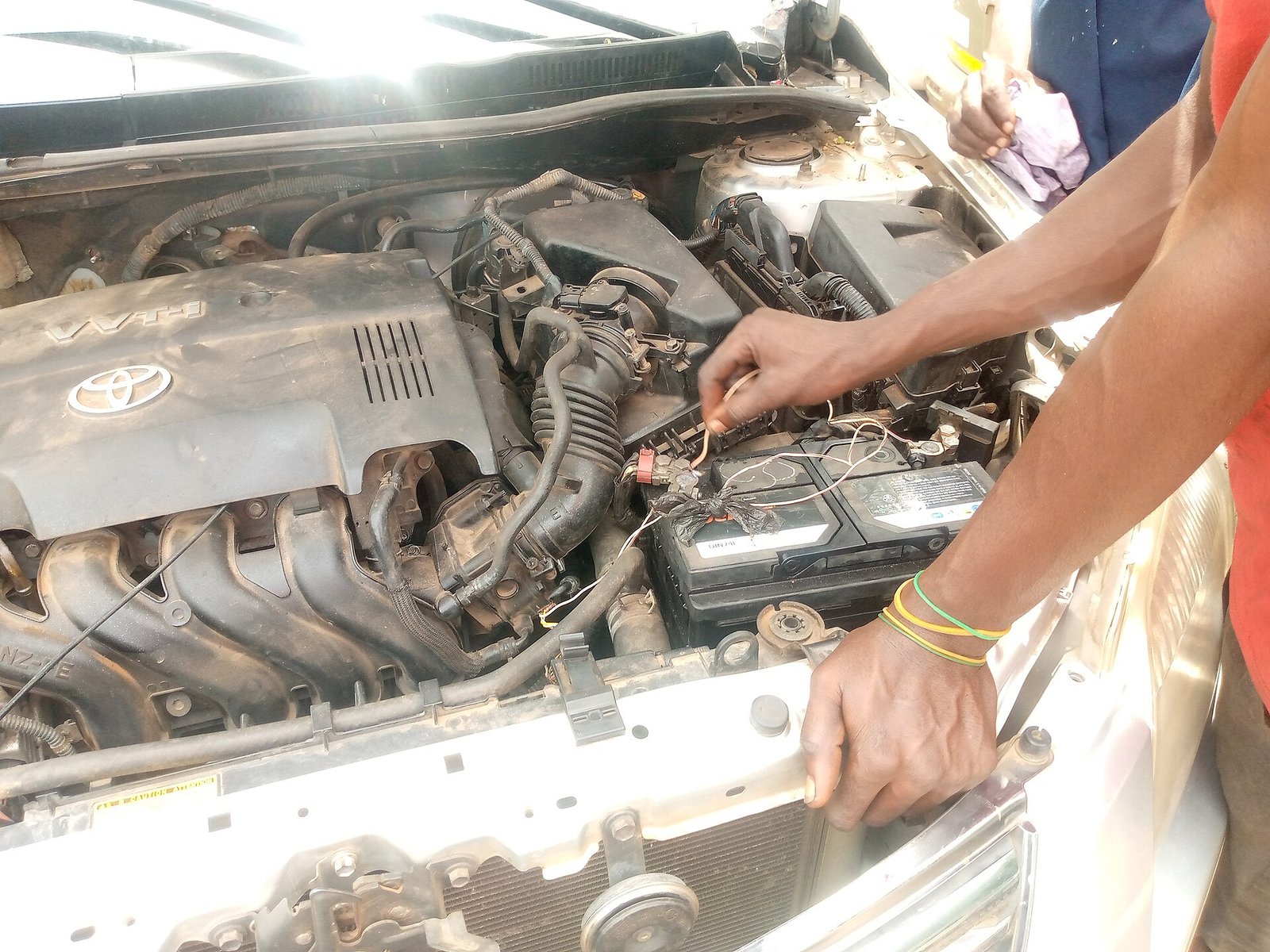
On many cars, a new battery also has to be registered with the car’s computer using a scan tool, so the battery sensor knows it’s new. That’s another shop visit that didn’t use to exist.
To be fair, Consumer Reports and other experts say the idea that start-stop simply "kills batteries" is a misconception, as long as the car has the right battery. The system is designed around the stronger battery. The catch is that the stronger battery is the one you’ll be paying for.
The battery sensor
There’s a small sensor on the battery terminal that tracks charge, temperature and battery health and decides whether the engine is allowed to shut off. When it fails, start-stop stops working, warning lights appear and, on some cars, other electrical systems get confused. It’s a part that only exists because of the system it monitors.
The starter
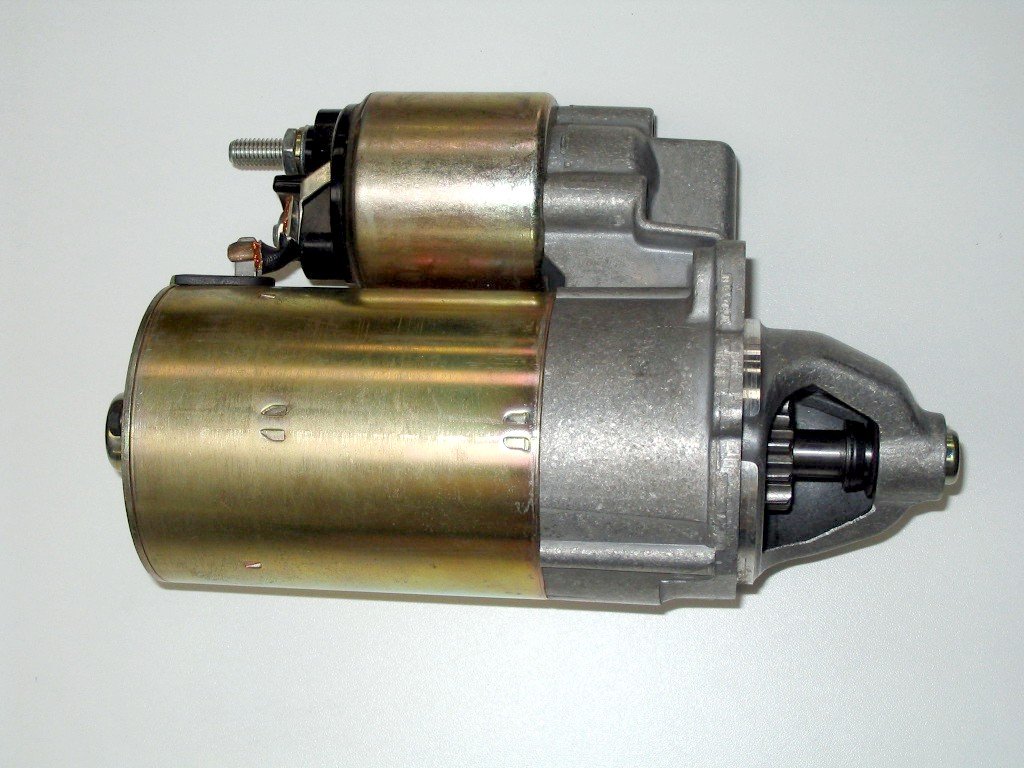
According to aftermarket parts suppliers, a conventional starter is built for tens of thousands of starts over its life. Start-stop starters are reinforced, with tougher pinion gears, better solenoids and longer-lasting brushes, and are designed for hundreds of thousands of cycles. They work, but they cost more when they eventually need replacing.
The crankshaft bearings
This is what worries any mechanic, because the damage is invisible until it isn’t. With the engine running, a film of pressurized oil keeps the crankshaft from touching its main bearings. When the engine stops, that pressure drops. On restart, for a split second, the crank turns before oil pressure fully returns.
A bearing engineer at Federal-Mogul estimated that a normal car goes through up to 50,000 stop-start events in its life, and that start-stop can push that to as many as 500,000. Ten times more. The industry knows this, which is why engines with start-stop use bearings with special polymer coatings, like Federal-Mogul’s own IROX, to cut friction during those low-oil-pressure restarts. The most stressed bearing is the rear main, right next to the starter.
So the problem is real, and the industry has largely engineered around it, with more expensive parts. What nobody knows yet is how those engines will look at 150,000 miles, with oil that wasn’t always changed on time and bearings that have done ten times the starts of a car from twenty years ago.
Everything else
Each restart also adds a little stress to the dual-mass flywheel, the part that filters engine vibration before it reaches the transmission, and to the engine mounts. It’s not the main cause of failures, but it adds up, and dual-mass flywheels aren’t cheap to replace.
Summer in traffic
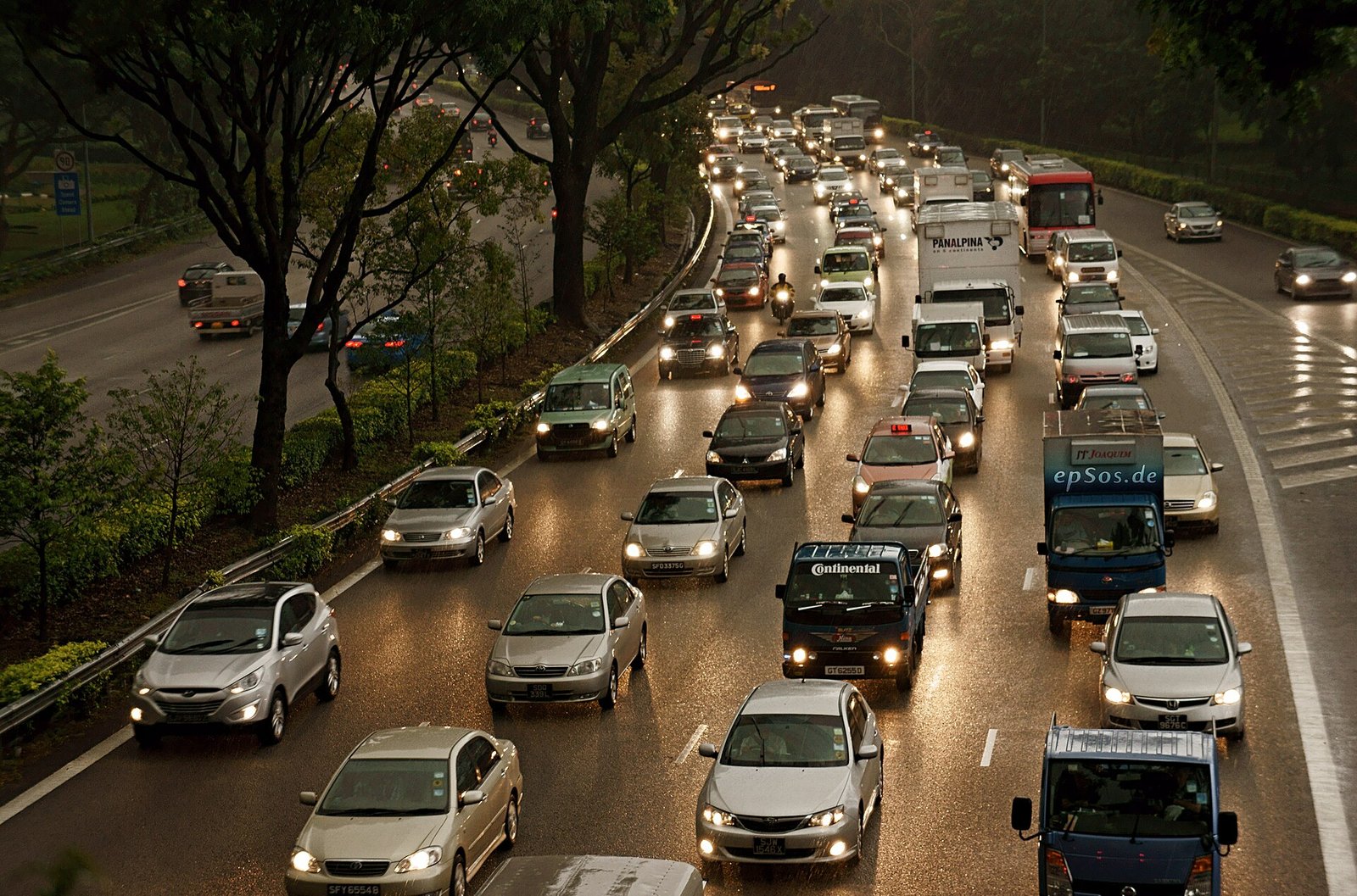
The air conditioning compressor runs off the engine. When start-stop shuts the engine off, the compressor stops. Some cars have an evaporator that stores a bit of cold for a few seconds, but once the stop drags on, the air turns warm and most systems restart the engine, right about when you’ve started sweating. In a Phoenix or Houston summer, that’s not a minor annoyance.
And there’s the anxiety. The light’s about to turn green, the tach is at zero, and you’re wondering if it’ll fire on the first try. It almost always does. But that extra half second with a line of traffic behind you isn’t driving. It’s surviving your own car. And in a big pickup with a large engine, the restart is a lot more noticeable than in a small hatchback, which may be one reason American truck owners were among the loudest critics.
Why the button never remembers
Almost every car lets you turn start-stop off with a button. Until you restart the car, when it turns itself back on. Every. Single. Time.
The reason is certification: the car is tested with the system on by default. If it remembered your choice, real-world fuel use would drift further from the certified number. Some models can be coded with a scan tool to default to off, but not all, and it can raise warranty questions. Whether the end of the EPA credit changes that behavior on American cars is up to each automaker. Removing the credit doesn’t ban the feature, and nothing forces automakers to drop it either.
A Spanish footnote
Here’s a detail from our side of the Atlantic. Tudor batteries were born in Zaragoza, Spain, in 1897, at a plant that now belongs to the Exide group, and the brand claims it was the first to bring start-stop battery technology to the European market, in 2004. And Spain’s national energy agency, IDAE, has been telling drivers since the 2000s to switch off the engine during stops longer than 60 seconds. That’s start-stop the old way: the driver decides, and only when the stop is long enough to be worth it, not at every ten-second light.
What actually saves fuel
The same agency says efficient driving saves around 15 percent on fuel, far more than start-stop, with no special parts:
- Look ahead and lift off early for red lights instead of braking late.
- Keep a steady speed instead of surging and braking.
- Shift early and keep revs low.
- Turn the engine off at long stops, the ones that actually matter.
Fuel quality matters less than most people think, as we found when we compared cheap gas and name-brand gas. How you drive matters more than any gadget.
What we’d do
If you can buy a car without start-stop, do it, though that’s getting harder. If you have it, switch it off for short city trips and summer traffic. If you can code it off and you’re comfortable with the warranty implications, consider it. When the battery goes, buy the right type, EFB or AGM, and have it registered if your car requires it.
Start-stop is a textbook example of the modern car industry adding complexity to pass a test, the same pattern behind aggressive downsizing and the EGR valve. The owner pays for the development, the parts and the repairs, and is told it’s for the planet. The car used to stop when you turned the key. That’s how the cars with soul did it.
Start-Stop FAQ
How much fuel does Start-Stop save?
In town with frequent stops, 0.2 to 0.4 litres per 100 km. At 15,000 km a year with 50 to 60% urban driving, that is about 15 to 35 litres a year, roughly 25 to 50 euros.
Why do cars have Start-Stop?
Because it cuts 2 to 5 grams of CO2 per kilometre in the type-approval cycle, and the European Union fines carmakers 95 euros for every gram over their target, multiplied by every car sold.
What wear does Start-Stop cause?
It needs special AGM or EFB batteries, which cost more than conventional ones, and it multiplies the number of starts, putting more strain on the starter motor and other parts. In summer, the air conditioning also loses strength at every stop.
Check you’re still alive.
Photos: Corvettec6r (CC0); Corvettec6r (CC BY 4.0); Azorbli (CC BY-SA 4.0); Willdre (CC BY-SA 3.0); epSos.de (CC BY 2.0). Via Wikimedia Commons.