
In 2019, a Fremont, California police officer chasing a car wanted on a felony warrant got on the radio at well over 100 mph on Interstate 680 and told dispatch he was down to six miles of battery. The cruiser was a Tesla Model S. The chase was called off shortly after, when the suspect started passing traffic on the shoulder. California Highway Patrol units later found the car crashed in roadside bushes a little farther on, and the driver was gone.
That’s the conversation politicians don’t want to have about electric vehicles. Not whether they work in a commuter’s garage, because they often do, but whether they work when someone’s life depends on the vehicle showing up, staying out, and getting back.
A patrol car doesn’t get to choose when it leaves
Your car has a routine. It sits in a driveway overnight, it does the same commute, it can plug in at home. A police cruiser, an ambulance or a fire engine has no routine. It leaves when the call comes, goes wherever the call is, and stays as long as the job takes.
With a gas tank, running low is a five-minute problem at any station on the way. With a battery, it depends on where you are, how much is left, and whether there’s a fast charger nearby that isn’t already taken.
Even the best fast charger doesn’t work like a pump. A battery takes energy quickly when it’s low and then slows down as it fills, to protect the cells from heat and wear. That’s why fast-charging times are quoted to 80 percent, not to full. The last chunk can take almost as long as the first big one. For a commuter stopping for coffee on a road trip, that’s a minor annoyance. For a unit that needs to be back on the street, it’s time nobody can afford, and it’s time that has to be planned around every single shift, by somebody, every single day.
And EV range isn’t a fixed number. It drops with speed, because aerodynamic drag climbs fast as you go quicker. It drops in the cold, because a cold battery delivers less and the cabin heat comes out of the same pack. It drops with everything else that’s running. A cruiser that idles for hours with lights, radios, computers and heat on, then has to go flat out on a highway, is the worst case a battery can face. For a gas tank, it’s a Tuesday.
Fremont: a $61,000 lesson
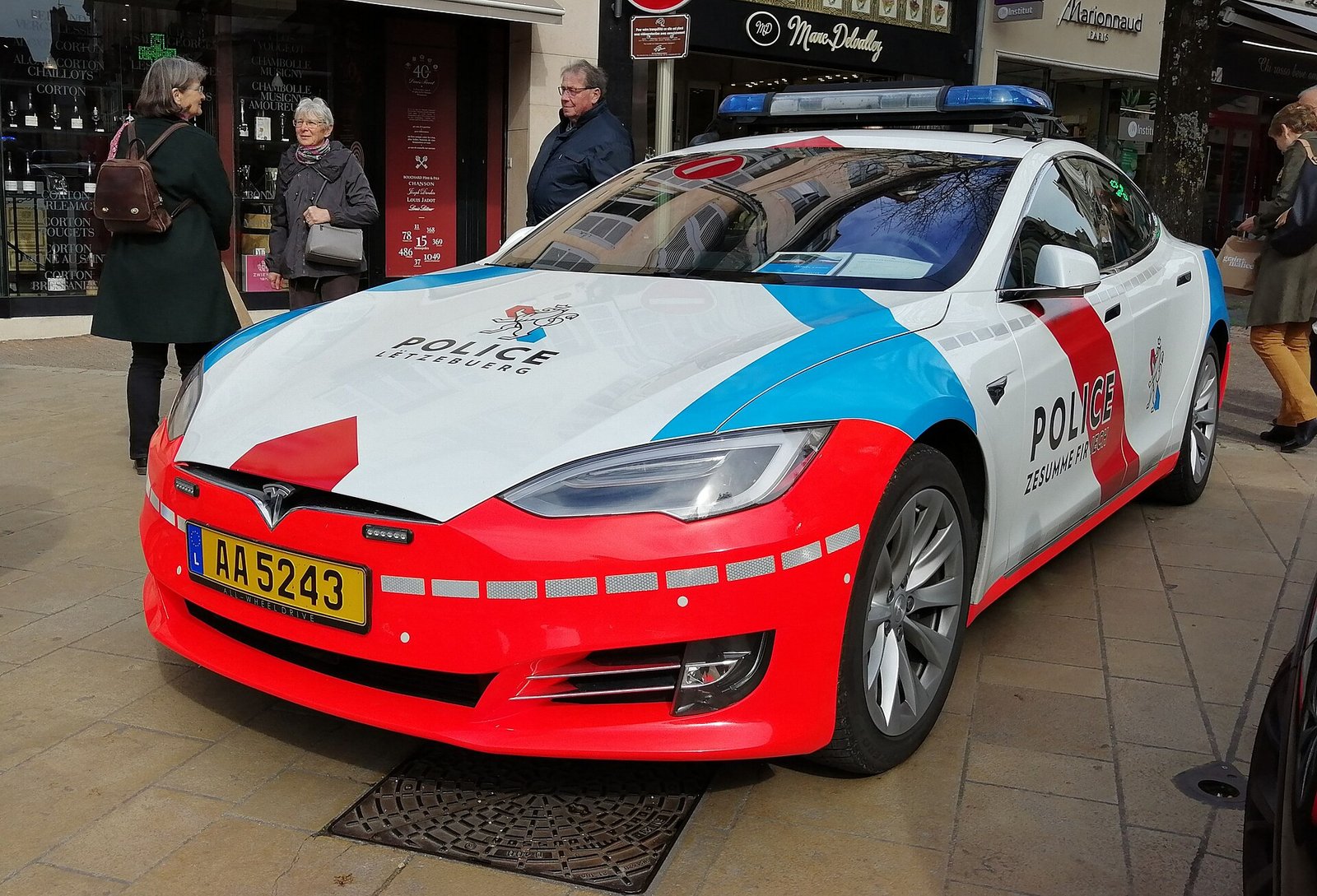
The Fremont Police Department bought its Model S in 2018 for about $61,000 and spent a year upfitting it before putting it on patrol in March 2019. The pursuit that made national news wasn’t really the car’s fault: the officer on the previous shift hadn’t plugged it in. That’s exactly the point. A gas cruiser left with a low tank costs you five minutes. An electric one left uncharged can take you out of a pursuit.
Ukiah: two Teslas sent to a desk job
Up the road in Ukiah, California, Police Chief Cedric Crook approved two Tesla Model 3 patrol cars in 2022. With the police upfit, the bill came to about $150,000. Roughly two years later he had moved them to administrative duty. His list of reasons reads like a checklist of what patrol work actually needs: upfits that were expensive and slow, months in the shop, no charging at the station, a back seat too tight to safely separate two detainees, poor fit for long prisoner transports, seats that didn’t work with a duty belt, and no engine block to take cover behind in a shooting.
To be fair, not every department has the same story. South Pasadena’s police went all-electric for its patrol fleet, and the police in Basel, Switzerland, reported their Teslas lasting longer than expected. Short urban beats, chargers at the station and a city that planned for it can make the math work. That’s a long way from "every emergency vehicle should be electric."
Ambulances are hospitals on wheels
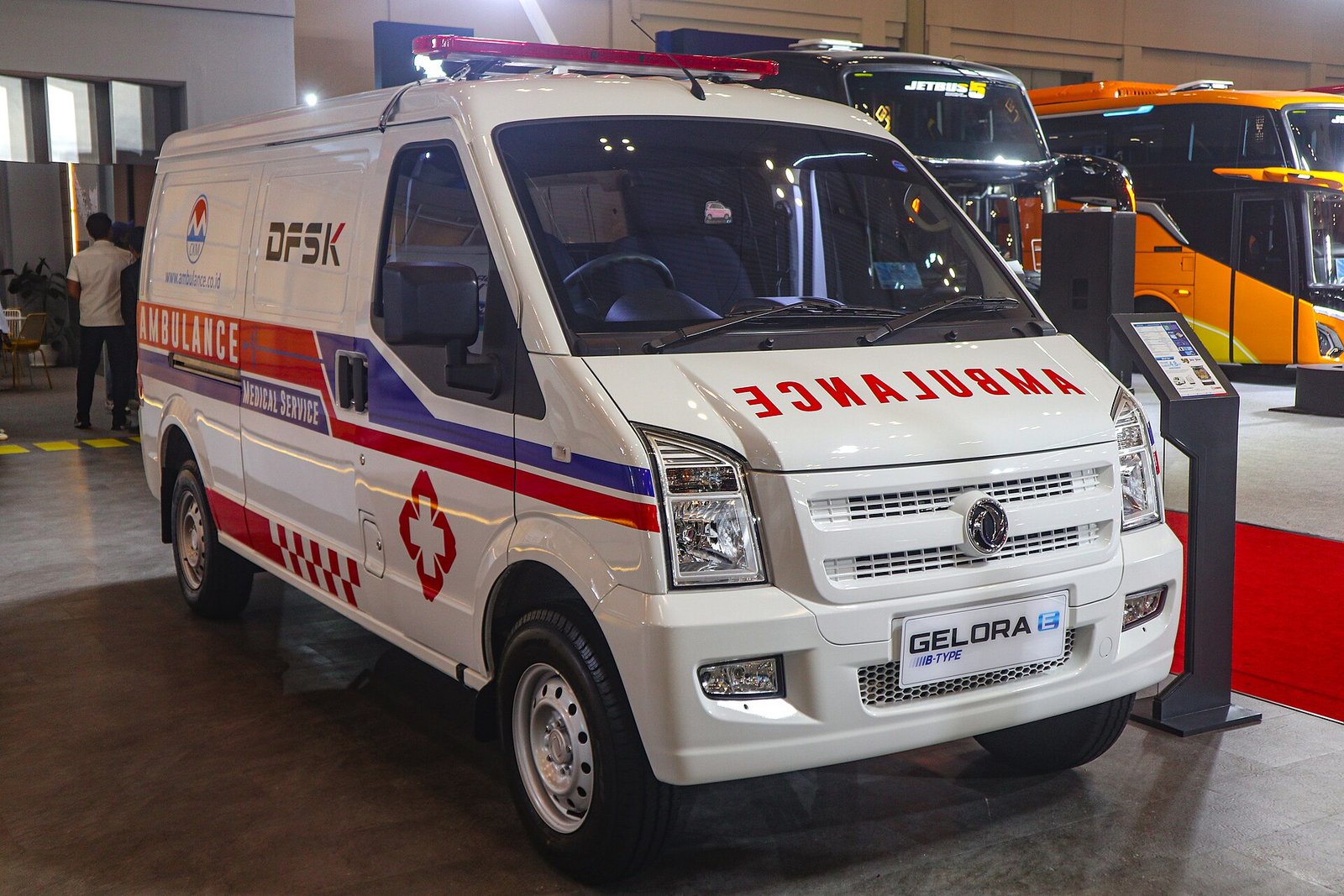
An ambulance isn’t a car. It’s a mobile workstation running radios, computers, light bars, sirens, cardiac monitors, defibrillators, infusion pumps, climate control for the patient compartment and refrigeration for medication. Much of that keeps drawing power while the rig is parked at a scene or outside an ER.
In a gas or diesel ambulance, the alternator keeps feeding all of it as long as the engine runs. In an electric one, every kilowatt-hour that keeps a patient’s monitor alive comes out of the same battery that has to get the crew to the hospital and back. How much that costs depends on the vehicle and the service, and we’re not going to make up percentages. The trade-off is real, though, and it’s the kind of thing that only shows up on the worst nights.
LA’s electric fire engine carries a diesel
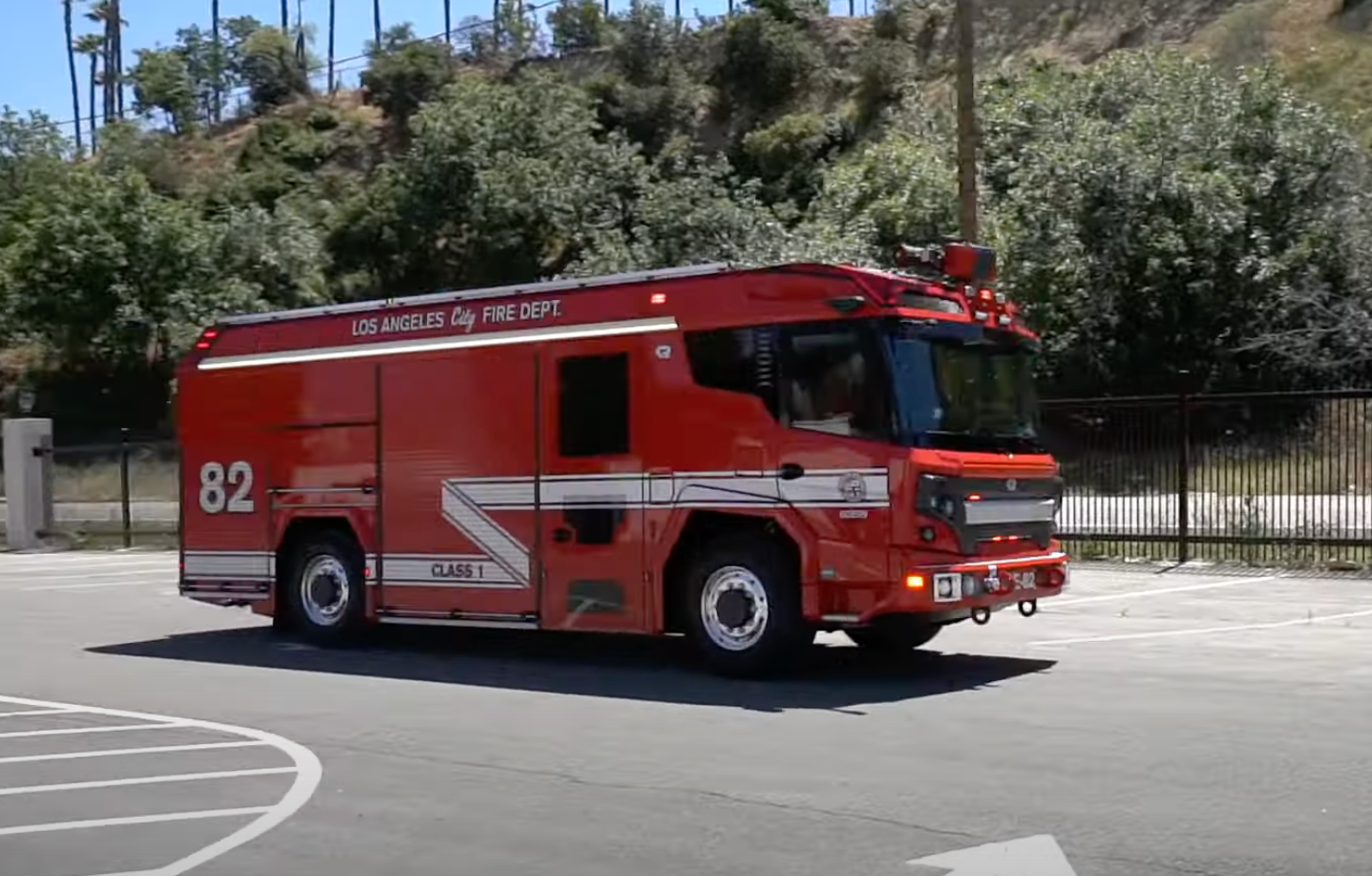
Los Angeles was proud to put the first electric fire engine in North America into service in 2022: a Rosenbauer RTX, built by the Austrian company. It has a 132 kWh battery and a 360 kW electric drive, and the battery is good for about two hours of operation. The base truck started around $900,000; the version LAFD specced came to about $1.2 million.
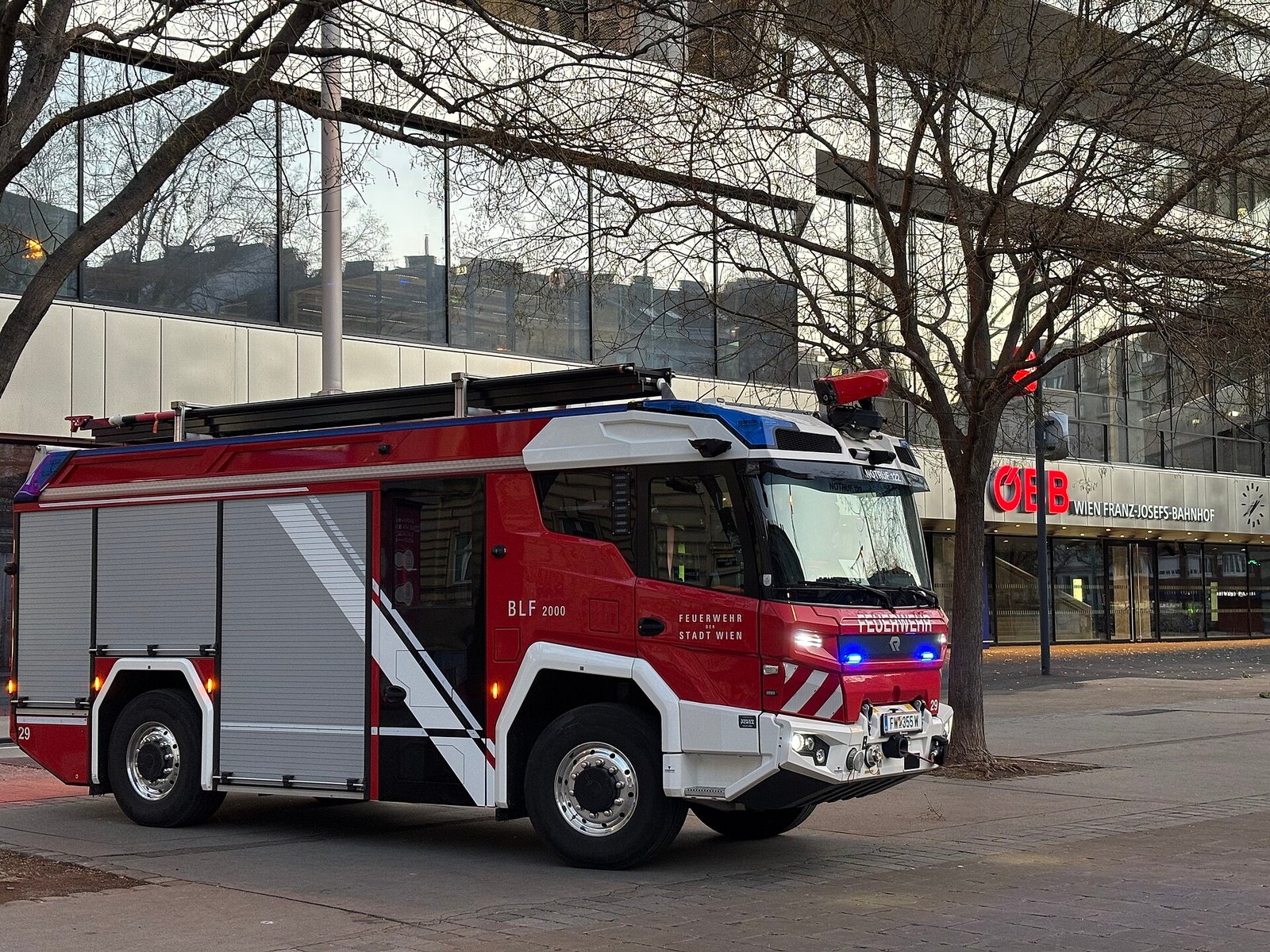
What happens when a fire runs longer than two hours? The RTX carries a 3.0-liter, roughly 300-hp six-cylinder BMW diesel as a range extender. When the batteries get low, it kicks in to recharge them or to run the water pump directly, buying hours more of work. Read that again: the flagship electric fire engine of the Western world ships with a diesel generator so it doesn’t die halfway through a big fire. Berlin, Amsterdam, Dubai and Basel run the European version, the RT, with the same idea.
That’s not a criticism of Rosenbauer, which built a smart truck. It’s the most telling admission in the whole EV debate, made in steel: on a job that can’t wait, you want a fuel tank somewhere on board.
Fighting the fire you brought with you
Lithium-ion batteries have a weak spot called thermal runaway: a damaged or overheated cell heats up, ignites, and spreads to the cells next to it in a chain reaction. It can start well after an impact and reignite after the fire looks out. The National Fire Protection Association treats these fires as a category of their own.
There’s a myth worth killing here, because it’s repeated everywhere: that you can’t use water because "lithium reacts with water." Car batteries contain very little metallic lithium. The standard approach is water, lots of it, to cool the cells. Tesla’s own guidance has said fully extinguishing an EV battery fire can take around 3,000 gallons of water and up to 24 hours, and some real-world fires have taken far more.
Now picture a station with several heavy electric trucks parked nose to tail. Or an underground garage. The risk isn’t on a normal day. It’s on the bad one.
Weight matters too. Batteries weigh a ton, and on emergency vehicles that are already heavy, every extra pound is load on brakes, tires, bridges and soft ground.
Floods and broken roads
Emergency vehicles drive through flooded streets and over debris. On a gas truck, a hit to the underbody is a repair. On an EV, that’s where the battery lives. A damaged pack can take a vehicle out of service, and insurers already total EVs with minor pack damage because diagnosing or repairing them isn’t worth it, something we dug into when we looked at electric cars versus old cars.
Spain’s answer: plug-in, not pure electric
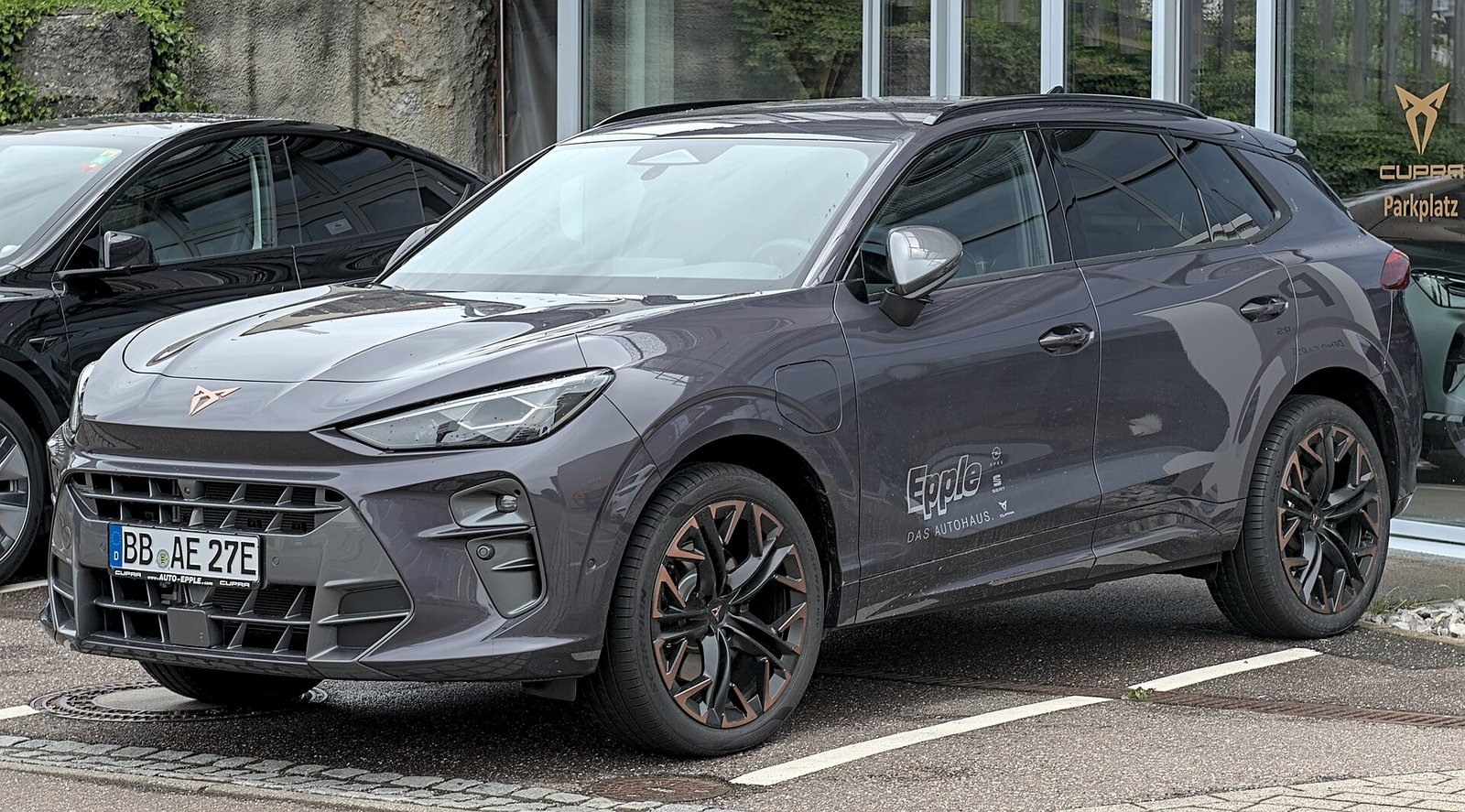
Over in Spain, the Catalan police, the Mossos d’Esquadra, recently took 182 Cupra Terramars, an SUV designed in Spain, as patrol cars. Not battery-electric: plug-in hybrids, with a gasoline engine plus an electric motor and more than 100 km, about 62 miles, of electric range in Europe’s WLTP test. Their reasoning was exactly the one this article makes: run on electricity for urban patrol, and keep the power and range of a combustion engine for fast responses and long trips. The municipal police of Vitoria-Gasteiz went for an even split, seven EVs and seven hybrids.
Back in 2021, the Rosenbauer RT was also presented in Madrid as Spain’s first electric fire truck, with the same 132 kWh battery and the same diesel backup idea.
The word fleet managers use: duty cycle
Anyone who runs a fleet for a living thinks in terms of duty cycle: how many hours a vehicle works, how far it goes, how long it idles, how predictable its day is. A parking-enforcement car in a downtown grid has a short, predictable duty cycle. A rural sheriff’s SUV covering a county the size of a small state, or an ambulance doing long inter-hospital transfers, has the opposite. Batteries are excellent at the first and struggle with the second. Blanket mandates that ignore duty cycle are how departments end up with cars that look great at the press conference and spend their lives at a desk.
What actually works
There’s a place for battery-electric vehicles in emergency fleets: city patrol cars on predictable beats with chargers at the station, admin and support vehicles, maybe short-range units in dense downtowns. For unpredictable, long, high-stakes work, the people buying the vehicles keep landing on the same answers:
- Plug-in hybrids, like the Mossos’ Terramars: electric around town, gasoline when it matters.
- Range extenders, like the RTX’s diesel: the engine doesn’t drive the wheels, it just makes electricity. It’s an onboard generator, and its existence tells you everything.
- Modern combustion, which still moves the vast majority of police cars, ambulances and fire engines in the United States and Europe.
Policy versus physics
Governments set electrification targets as if every vehicle did the same job. They don’t. A cruiser in pursuit, an ambulance on a long transfer, an engine at a wildfire aren’t a sedan that sleeps on a charger in a garage. And taxpayers end up paying twice when a city buys EVs that end up parked behind the station.
The most revealing thing isn’t what politicians say. It’s what the people who answer 911 calls end up doing: Fremont found out mid-chase what an uncharged battery means, Ukiah sent its Teslas to a desk, America’s first electric fire engine carries a diesel, and Spain’s Catalan police picked a plug-in with a gas tank.
When the emergency can’t wait, the fuel tank still runs the show. Until a battery can match that on the worst night of the year, not the best, that’s not going to change.
Photos: Los Angeles Fire Department (CC BY 3.0); Guillaume Vachey (CC0); Sulthan Naufal (CC BY 4.0); Zeikonaut (CC BY-SA 4.0); Alexander Migl (CC BY-SA 4.0). Via Wikimedia Commons.
Check you’re still alive.