On May 21, 1981, Cadillac introduced a small car called the Cimarron. It was supposed to stop young buyers from defecting to BMW and Mercedes. It was, as everyone who looked under it found out, a Chevrolet Cavalier with a Cadillac grille, Cadillac badges, leather seats and every option on the J-car order sheet thrown in as standard. Base price: $12,131. A 1982 Cavalier started at $6,966. Nearly double the money for the same car.
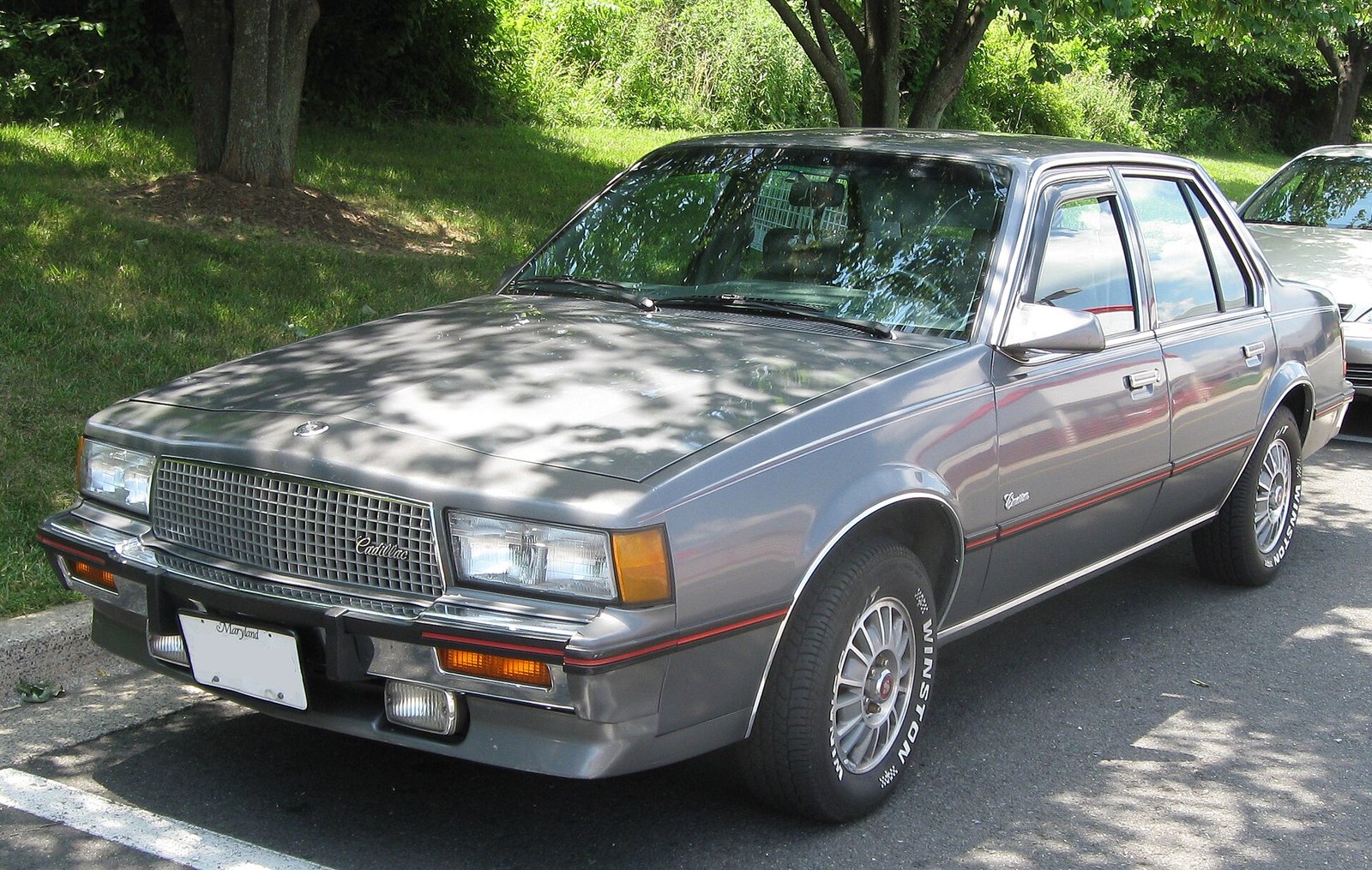
Buyers figured it out fast. Cadillac sold 25,968 Cimarrons in 1982. By 1988, the last year, it was down to 6,454. The car became a byword for everything wrong with GM product planning, and it took the brand that called itself the Standard of the World decades to wash the stink off.
That should have been the end of it. Instead, the auto industry spent the next forty years turning the Cimarron trick into a business model, and it’s never been more brazen than it is right now.
One line, five brands
Want to see badge engineering at industrial scale? Go to Vigo, in the northwest corner of Spain.
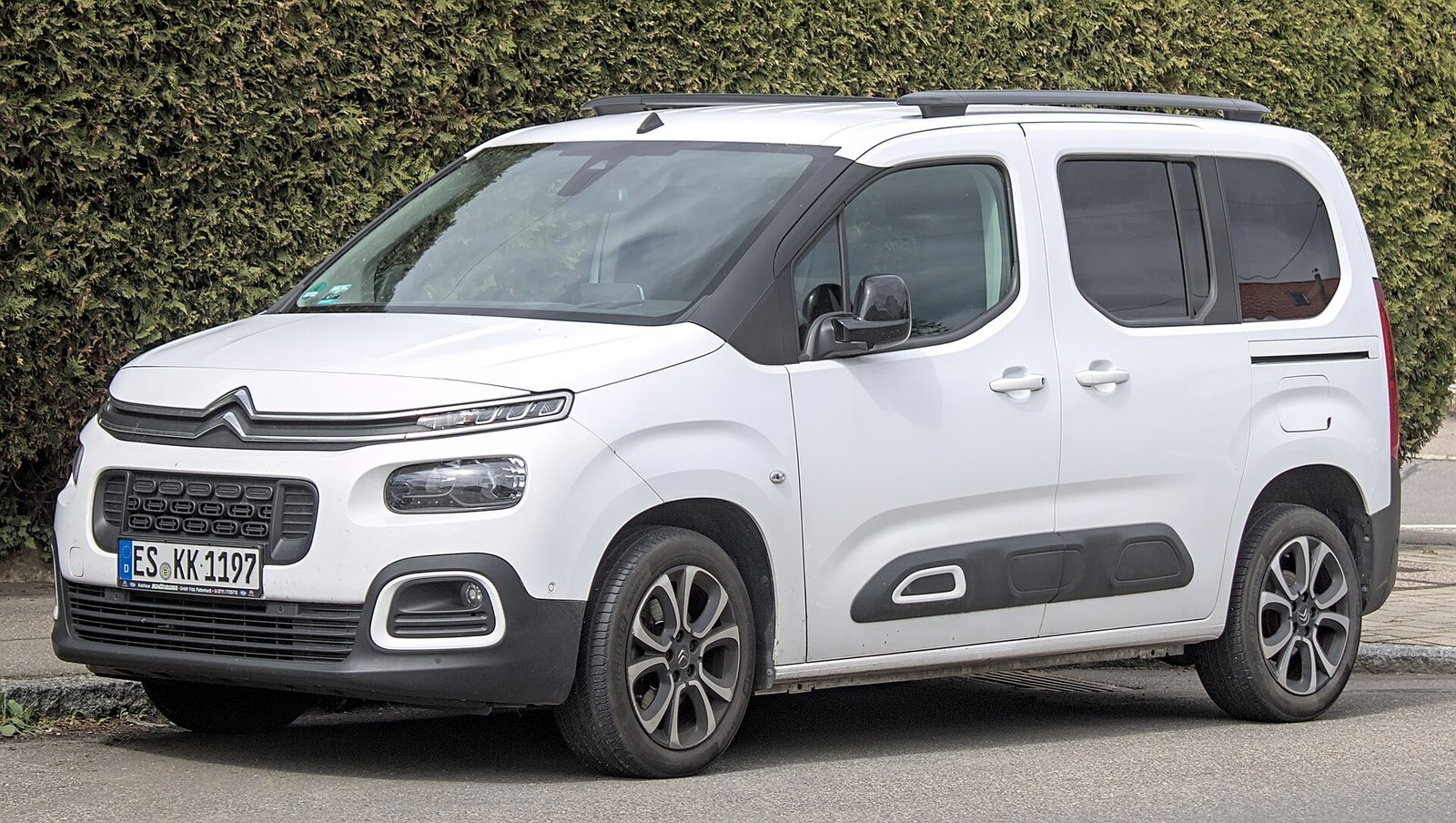
Stellantis’s plant there builds a family of compact vans that the company calls K9 internally. Off the same line come the Citroën Berlingo, the Peugeot Partner and Rifter, the Opel Combo, the Fiat Doblò and the Toyota Proace City. A sister plant in Mangualde, Portugal, builds all of them except the Toyota. They share the EMP2 platform, and the Toyota version shares about 95% of its parts with the Peugeot and Citroën versions. In 2020 the two plants built 371,113 of them between them. In October 2025, Vigo passed two million units of the current generation, and it now builds around 1,200 a day for more than 70 markets.
A quick word on what "platform" means, because carmakers love hiding behind it. A platform is the expensive part of a car that you never see: the floor structure, the suspension mounting points, the crash structures, the wiring architecture, the spots where the engine and transmission bolt in. Developing one costs a fortune and takes years of crash testing. The body panels, the grille, the lights and the dashboard trim are comparatively cheap. So when five brands share a platform, they share the part that decides how the car drives, rides, crashes and ages. What they don’t share is the part that decides how it looks in the ad.
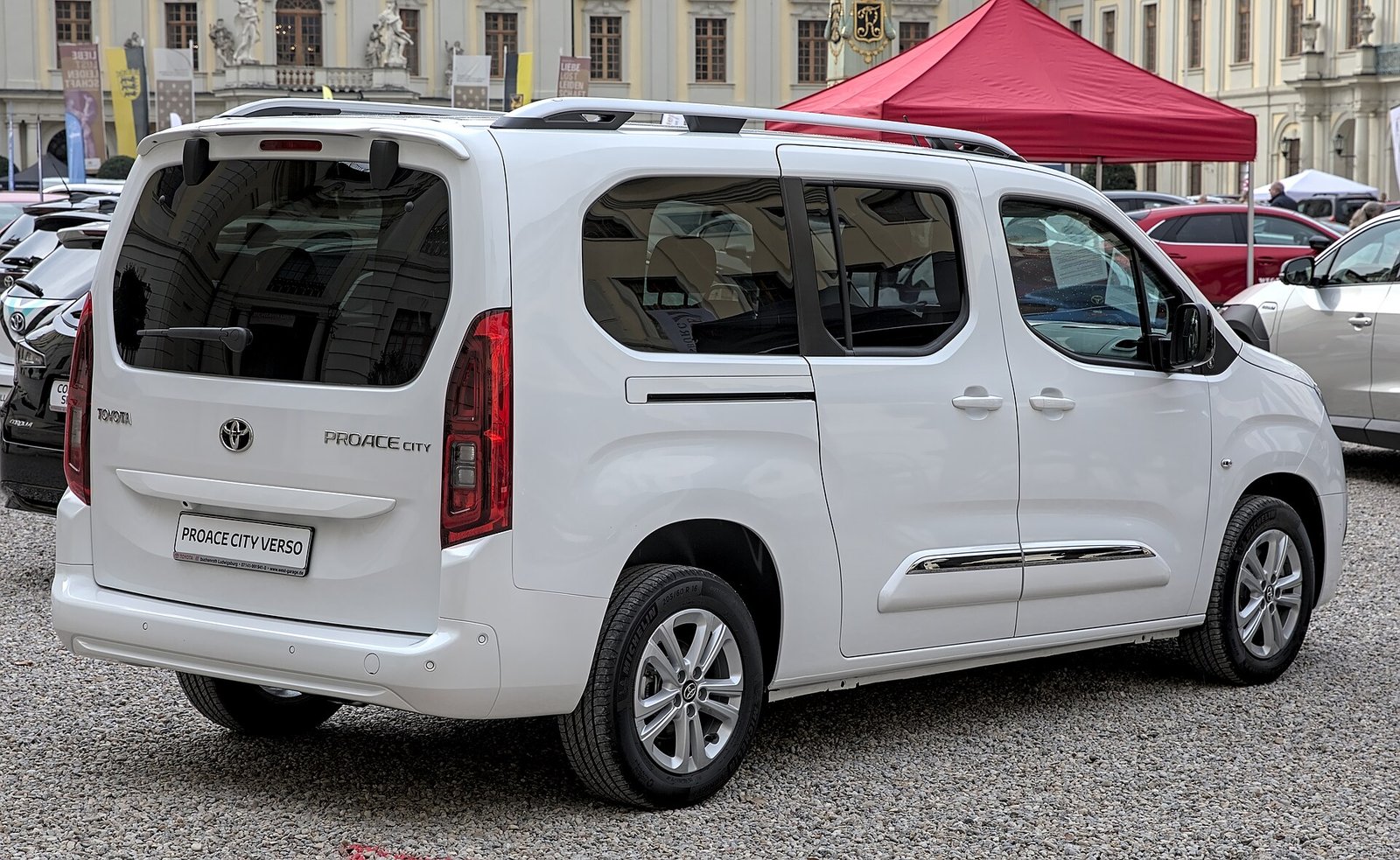
And notice who’s on that list. Toyota, the company whose whole reputation rests on building its own stuff its own way, sells a van in Europe that comes off a Stellantis line in Spain.
Five brands. Five dealer networks. Five marketing departments. Five prices. One van.
Most Americans never see these, because Europe’s small-van market barely exists in the US. But you’ve been sold the same idea your whole life. Remember when GM had Chevrolet, Pontiac, Oldsmobile, Buick and Cadillac all selling versions of the same J-body, and the only real difference was the grille and the brochure? Pontiac and Oldsmobile aren’t around anymore. That’s not a coincidence.
Spain’s version of the story has a twist American autoworkers will recognize. When PSA, now part of Stellantis, was deciding where to build the K9 vans, Vigo was up against the company’s plant in Trnava, Slovakia. According to WardsAuto’s reporting at the time, Vigo won partly because its unions accepted concessions, including a two-tier wage structure that brought labor costs down. So the workers building five brands on one line had to compete on price with Eastern Europe to get the job. The premium for the badge never makes it to the assembly line.
The Mercedes pickup that was a Nissan from Barcelona
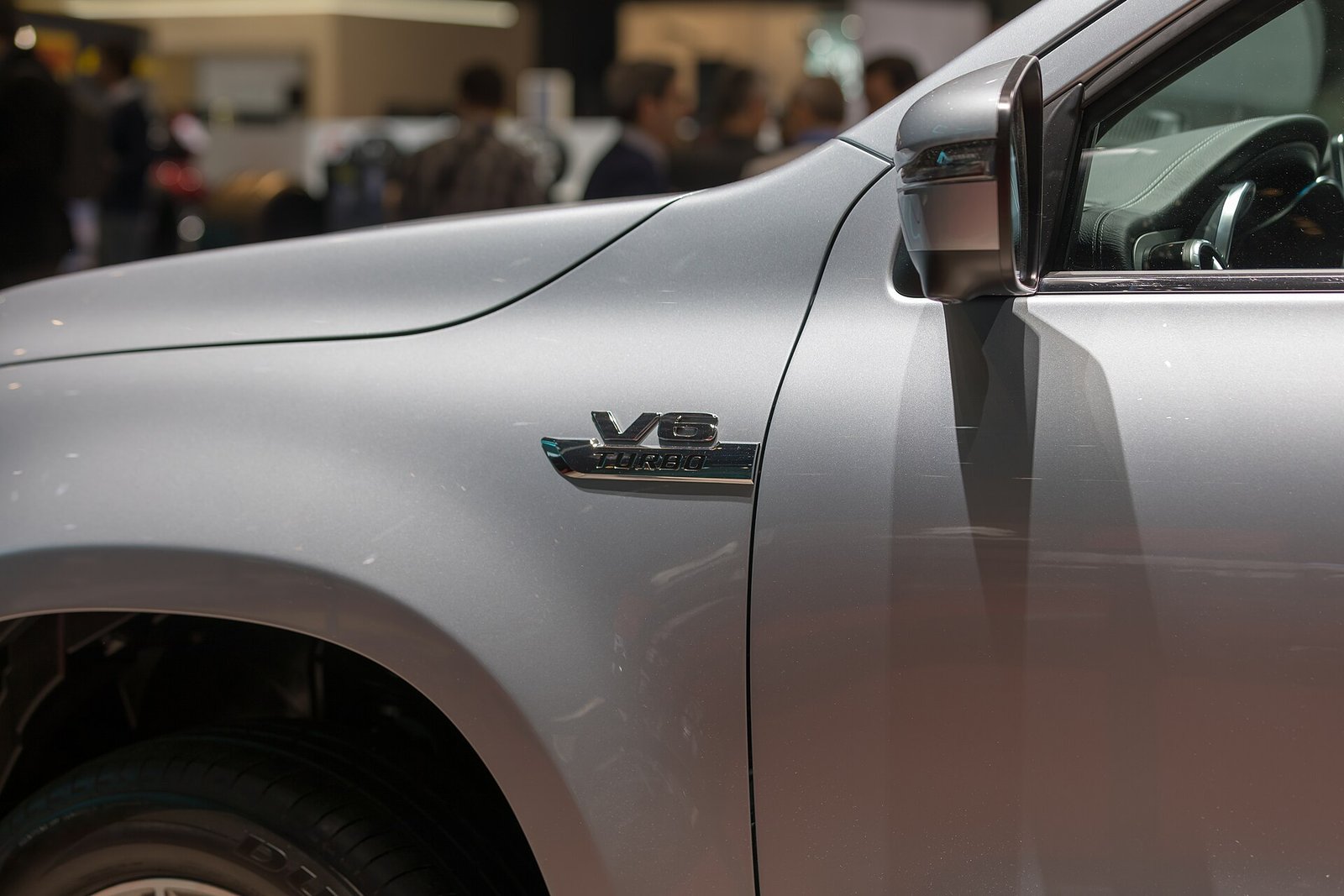
Vans have been badge-engineered forever. What’s new is how far up the price ladder the trick has climbed.
In 2017, Mercedes-Benz launched the X-Class, its first pickup. Three-pointed star on the grille, the usual talk about German engineering. Where was it built? At Nissan’s plant in Barcelona, on the same line as the Nissan Navara, which Americans would know as a close cousin of the Frontier, and the Renault Alaskan. The X-Class shared the Navara’s frame and much of everything else.
Buyers outside the US saw straight through it. Barcelona built about 20,000 X-Classes in 2018 and about 8,000 in 2019. Worldwide, Mercedes sold around 15,300 in 2019, while Nissan sold 66,000 Navaras in the first half of that year alone. Production ended in May 2020. Mercedes never brought it to the US, the biggest pickup market on earth, which tells you everything about how much faith it had in the product. We’ve written about why pickups make no sense in Europe; the X-Class was the most expensive way to prove it.
The Renault under your Mercedes hood
If sharing platforms stings, sharing engines is an insult.
The 2012 to 2018 Mercedes A-Class, the W176, was sold in Europe with an A 180 CDI, later A 180 d, diesel. Mercedes called the engine OM607. It was Renault’s K9K, the same 1.5-liter, 109-horsepower diesel that powered Clios, Méganes and Dacias. Same block, different plastic engine cover. You paid for Mercedes and drove Renault.
It works the other way too. The Mercedes Citan, the brand’s smallest van, is a Renault Kangoo built by Renault in Maubeuge, France, next to the Kangoo itself and the Nissan Townstar. Mercedes has decided to stop selling it in May 2026.
The excuse never changes: developing our own engine for this segment isn’t profitable. Then what exactly are you charging extra for? The air freshener in the showroom?
Zombie brands
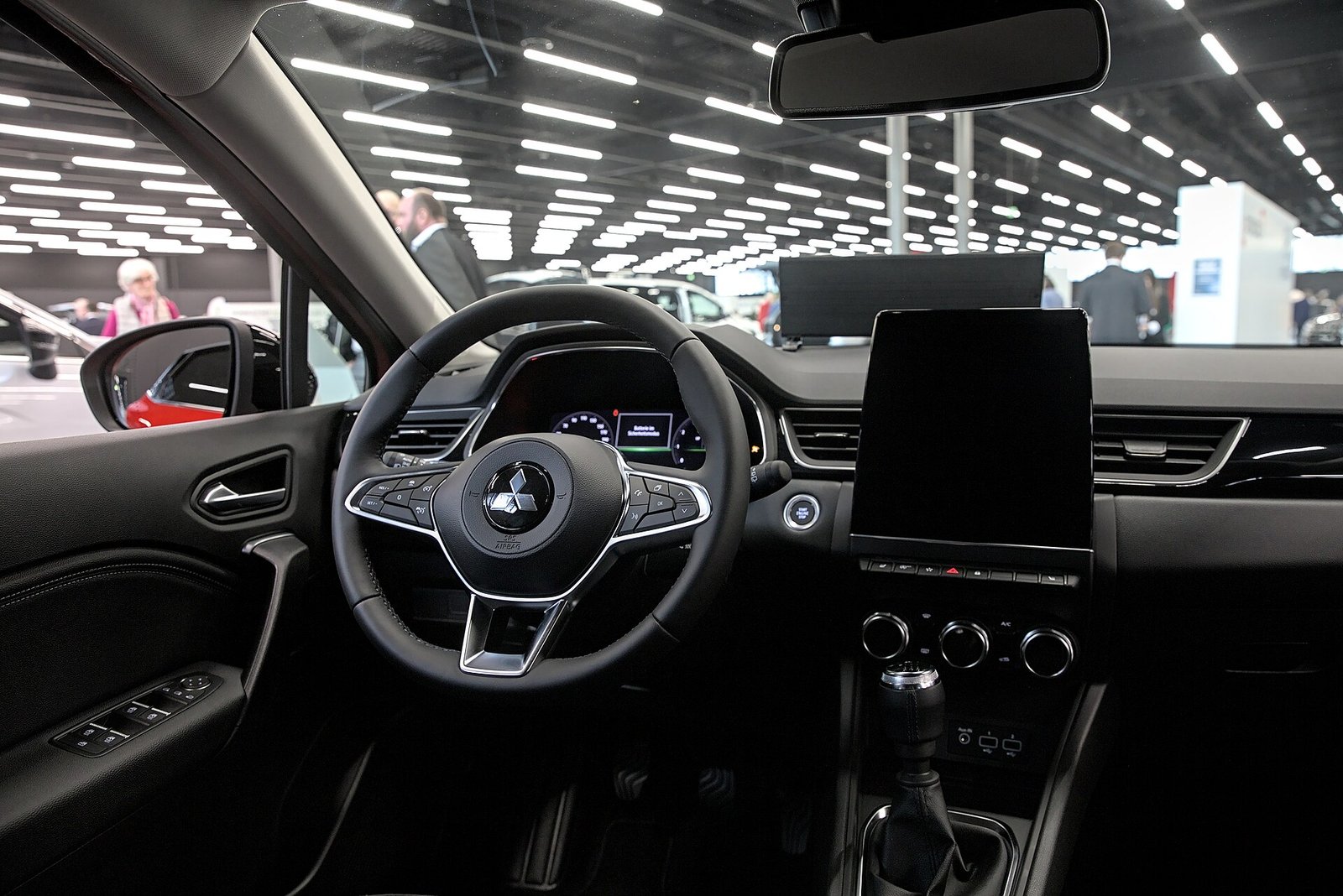
Some brands no longer sell a single car in Europe that they engineered themselves.
Mitsubishi is the sad one. This is the company with more Dakar Rally wins than any other manufacturer: twelve between 1985 and 2007 with the Pajero, which Americans knew as the Montero, including seven in a row from 2001 to 2007. This is the brand of the Lancer Evolution, the car a generation of American kids first drove in Gran Turismo. And the Mitsubishi ASX it sells in Europe since 2023 is a Renault Captur with a different grille: same headlights, same taillights, same body panels, same CMF-B platform, built at Renault’s plant in Valladolid, Spain. Its new Colt hatchback is a Renault Clio built in Bursa, Turkey, with the Clio’s 1.6-liter hybrid.
That’s a zombie brand: dead inside, still walking because buyers remember a Pajero blasting across the Sahara. They walk into the showroom thinking they’re buying Mitsubishi DNA and drive out in a Captur from Valladolid.
GM’s greatest hits
America doesn’t need to look to Europe for examples. GM ran the playbook for decades after the Cimarron.
The Pontiac Vibe was a Toyota Matrix, derived from the Corolla, built at NUMMI, the GM-Toyota joint venture plant in Fremont, California, from 2002. It was a decent car precisely because it was a Toyota. It died in 2009, along with Pontiac itself and the Fremont plant, in GM’s bankruptcy.
Then there was the Saab 9-2X, a Subaru Impreza wagon with a Saab nose, built by Subaru in Gunma, Japan, from March 2004 and sold only in North America. Owners called it the Saabaru. It lasted two model years and sold just over 10,000 units. A brand built on quirky Swedish engineering ended up selling a Japanese car with a new grille, which is a pretty good summary of what GM did to Saab.
When sharing actually works
To be fair, not every shared car is a scam, and the difference matters.
The Toyota 86 and Subaru BRZ, sold in the US at first as the Scion FR-S and the BRZ, were developed together and built side by side at Subaru’s plant in Gunma, Japan, from March 2012, with Subaru’s 2.0-liter, 200-hp boxer. Neither brand pretended it was anything other than what it was, and the result was a light, rear-drive sports car nobody else was building at that price.
The current Toyota GR Supra and BMW Z4 share a platform, BMW’s B58 inline-six and an assembly line at Magna Steyr in Graz, Austria. That one stings more, because Supra is a sacred name and this one is a BMW underneath. But without BMW, there’d be no new Supra at all.
That’s the line. Sharing to build a car that otherwise wouldn’t exist is engineering. Sharing to sell the same car for more money under another badge is marketing.
The cheapest car wins
Here’s the twist. In Spain, where we write from, the best-selling car isn’t premium anything. It’s the Dacia Sandero, Renault’s budget brand, with 38,548 registrations in 2025, far ahead of the Renault Clio at 27,104. Third straight year on top.
Why? Because it doesn’t lie. Renault group platform, known engines, no fake identity. Here’s a car, here’s a price.
But success breeds greed. The Sandero went on sale in Spain in July 2008 from €7,500. By late 2025 the base price was €13,490, and the automatic LPG version topped €18,000. Same philosophy, nearly double the price. The cheap car stays cheap only until the whole market gets expensive. Then it quietly follows.
When the plainest car on the market is the best seller, that’s not a win for the plain car. It’s a diagnosis of the whole industry. Buyers have stopped believing the story.
Less engineering, more money, more screens
The math is brutal. Carmakers spend less than ever on engineering that makes their cars different and charge more than ever. They share platforms, engines and door handles. And the savings go into marketing, touchscreens that replace buttons that worked, drive modes nobody uses, and subscriptions to switch on the heated seats already installed in the car. We’ve called them iPads on wheels for a reason.
They don’t sell you a car that drives differently anymore. They sell you a car that changes the color of its ambient lighting. And the car business slides toward the appliance business. Nobody gets excited buying a dishwasher.
A handful of platforms for everybody
The industry is heading toward a few global platforms shared by every brand, with the differences reduced to sheet metal and software. Choosing a car will be like choosing a phone case for the same phone.
Meanwhile, in some garage in every small town, somebody with greasy hands is keeping alive one of the cars from the ’80s and ’90s that were built to last, designed by engineers who put their names on their work. A car nobody builds anymore, because it doesn’t fit in a spreadsheet.
Cadillac learned this lesson in 1982 and paid for it for decades. The rest of the industry is about to relearn it, and we’re the ones paying.
Check you’re still alive.
Photos: Alexander-93 (CC BY-SA 4.0); IFCAR (public domain); Alexander-93 (CC BY-SA 4.0); MB-one (CC BY-SA 4.0); Alexander-93 (CC BY-SA 4.0). Via Wikimedia Commons.