

Irv Gordon was 25 when he bought a Volvo P1800 S on June 30, 1966, for $4,150, about a year’s salary at the time. On September 18, 2013, near Girdwood, south of Anchorage, Alaska, he rolled past three million miles in it. Same car. Guinness still lists it as the highest-mileage vehicle on record.
Try to picture a 2014 crossover doing that. You can’t, and that’s the whole point of this piece.
Overbuilt by design
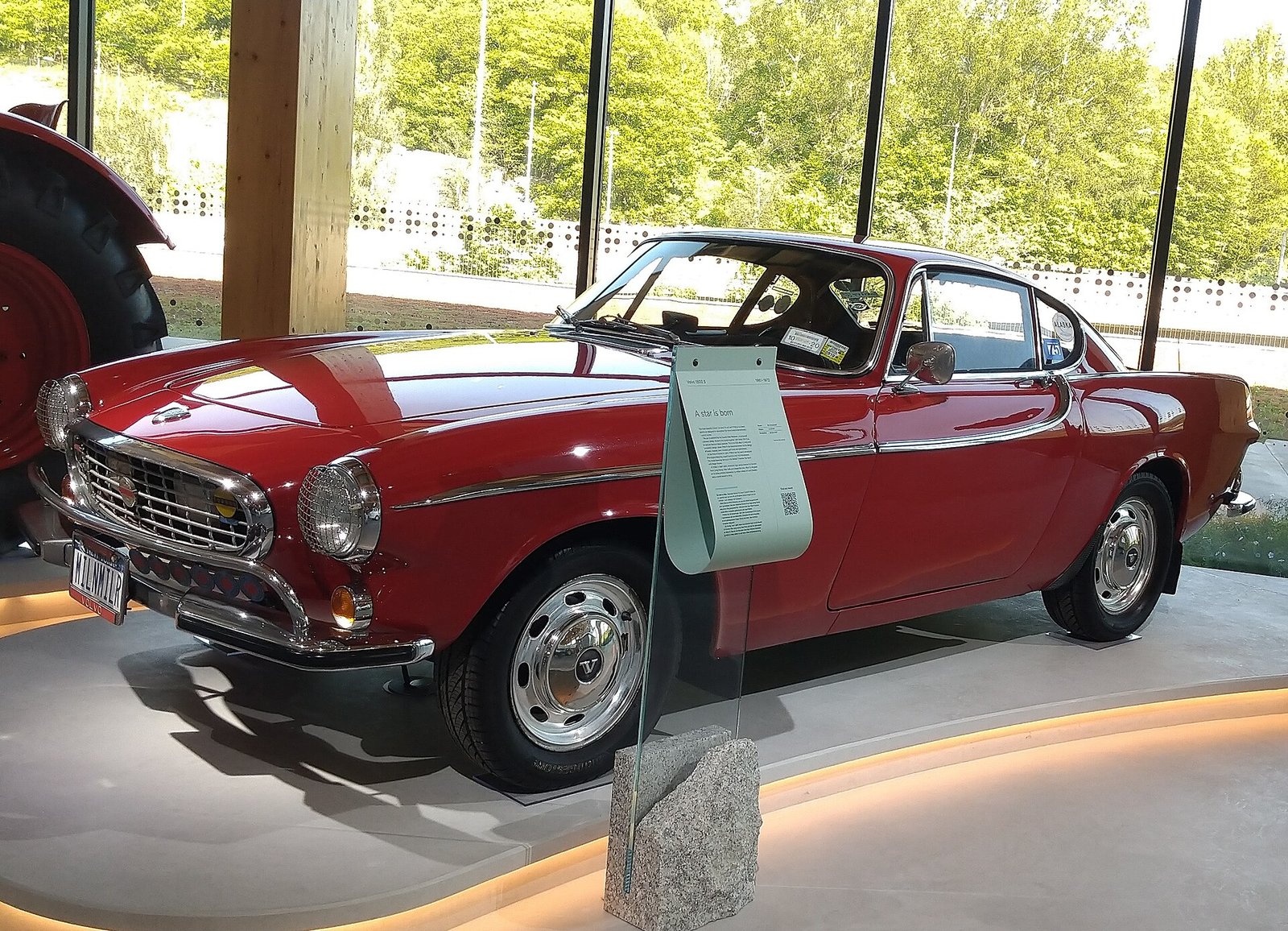
The engineers who drew cars in the ’70s, ’80s and early ’90s didn’t design to the gram. They overbuilt. Cast-iron blocks where today you’ll find aluminum, manual gearboxes that took whatever you threw at them, timing systems you could see, reach and replace with ordinary tools. The reason was simple: a brand’s name rode on how long its cars lasted, and the repeat customer was the one who’d been happy with the last one.
Overbuilding means sizing a part to handle far more stress than it will ever see in normal use. It costs material and weight, but it leaves a huge margin for abuse, skipped oil changes and decades of use. The opposite is optimizing: shaving away everything that isn’t strictly needed. Optimizing saves weight, fuel and money at the factory. It also eats the margin. When the margin’s gone, the first owner who stretches an oil change, or the second owner who buys it with 90,000 miles, finds out.
The hall of fame
Gordon’s Volvo wasn’t a fluke. It came from a school of engineering that produced cars whose reputations were earned on the odometer, not in an ad.
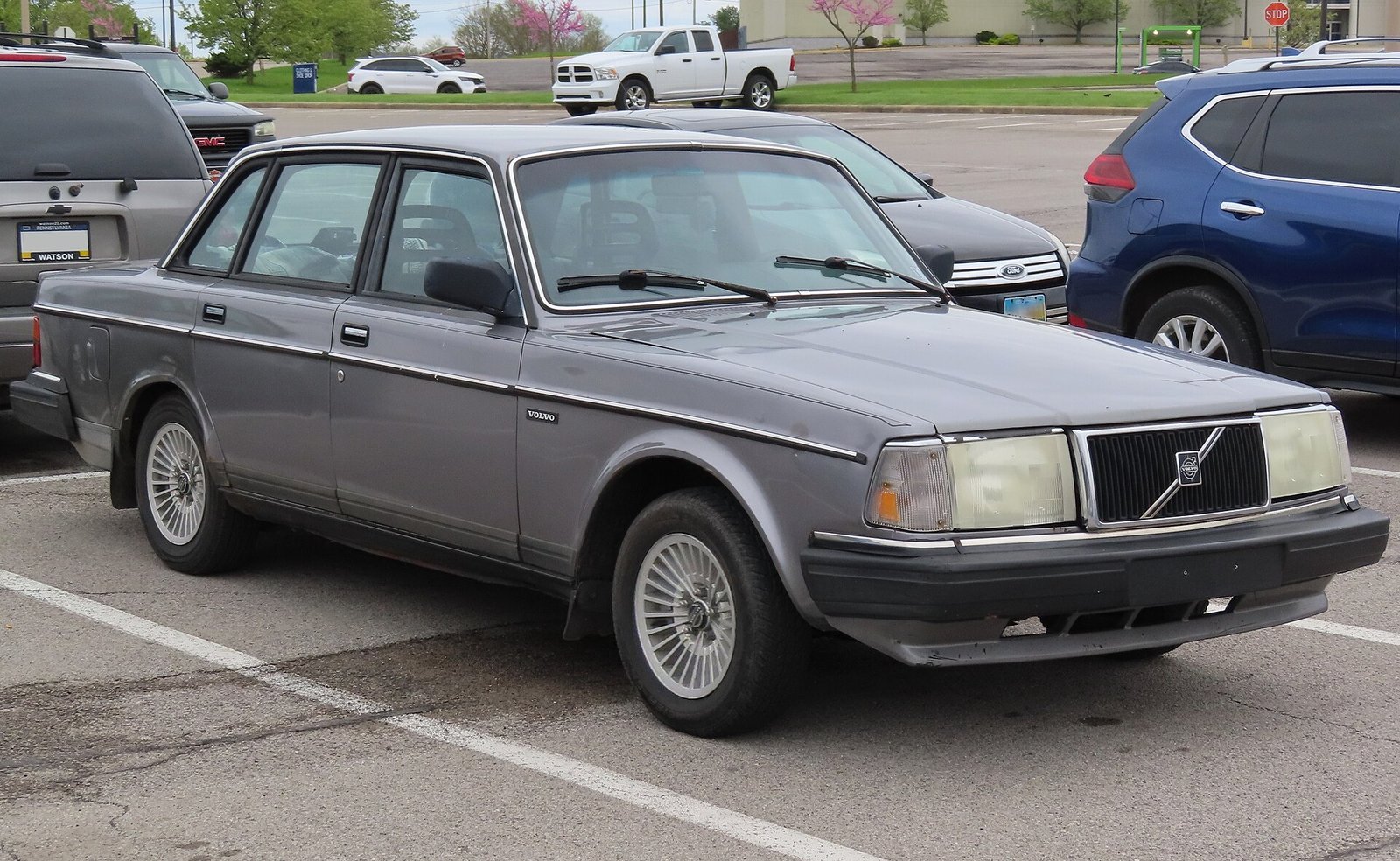
Volvo 240. The last of 2,862,573 units rolled out of the factory on May 14, 1993, after a run that started in 1974. In the US it became the default car of college towns, architects and anybody who wanted something that would simply not quit. If you’ve ever wondered where Swedish engines got that reputation, the story of Volvo’s five-cylinder picks up right where the 240 leaves off.
Mercedes W123. Built from November 1975 to January 1986, 2,696,915 of them, and in its day the best-selling Mercedes ever. Americans knew it as the 300D, the diesel that clattered on forever. The record holder is a Greek cabbie, Gregorios Sachinidis, who put 4.6 million kilometers, roughly 2.9 million miles, on a secondhand 1976 240 D in Thessaloniki. Mercedes put the car in its museum in Stuttgart and handed him a new C 200 CDI. Here’s the part the feel-good versions skip: along the way it got two replacement engines and eleven engine overhauls. It wasn’t immortal. It was fixable, and that’s exactly what we’ve lost.

Toyota Land Cruiser 70 Series. In continuous production since 1984 and still sold in Australia, Africa and the Middle East. You can’t buy one new in the US, and not because nobody wants it: emissions rules keep it out. Toyota’s chief engineer has said that as long as there are customers who need it, they’ll keep building it. Forty years on the same basic design.
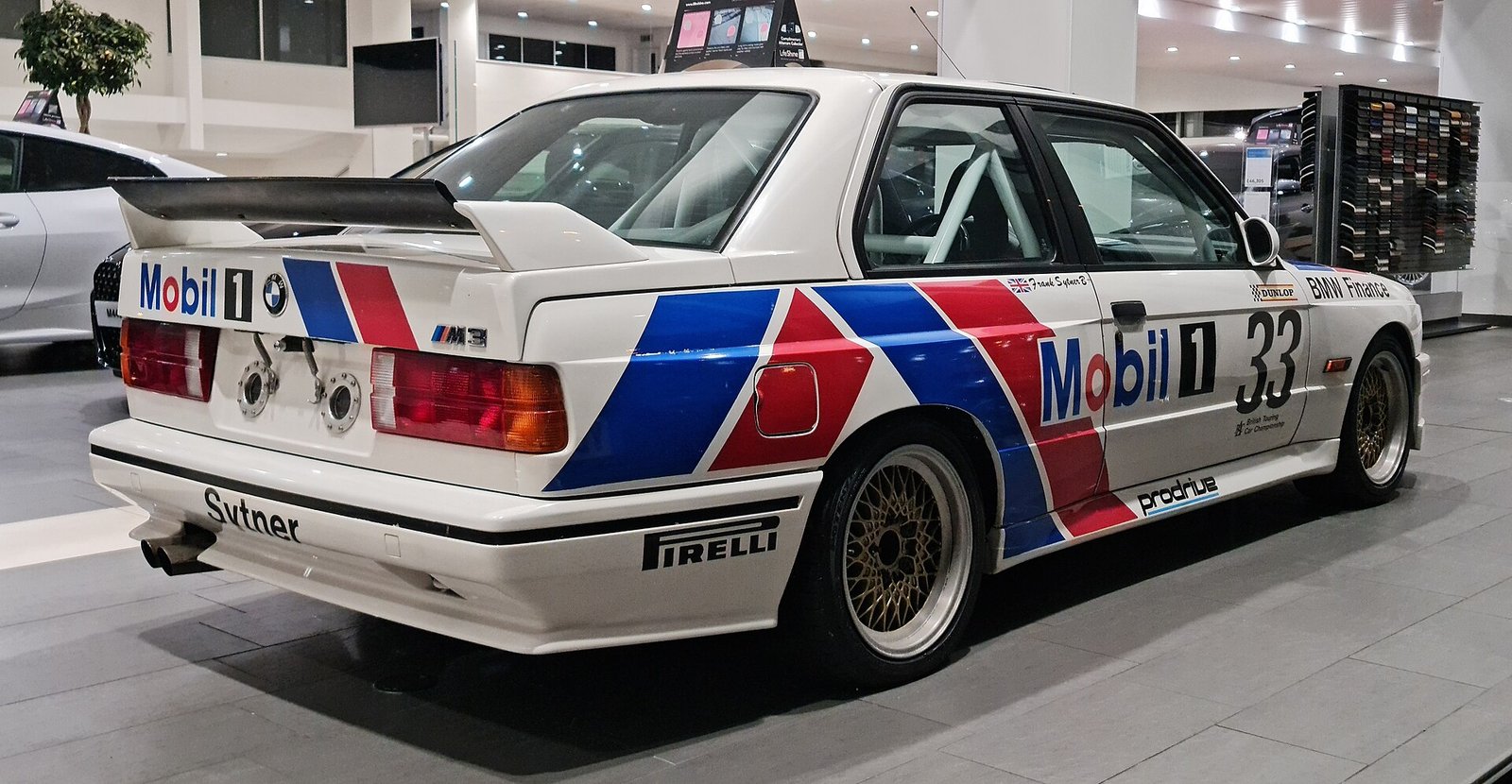
BMW E30. Straight-six engines, a balanced chassis and steering that told you what the front tires were doing. The market has spoken here too: Hagerty’s price guide puts an E30 M3 in excellent condition north of $85,000, and few cars it tracks have climbed faster.
Honda Civic and Integra, VW Golf and Jetta of the same era. Simple mechanicals, cheap parts and a whole community that keeps them running. Look at any junkyard or autocross and you’ll see who’s still out there.
The one modern truck that proves the rule
To be fair, modern vehicles can go the distance too. Victor Sheppard of Houma, Louisiana, put a million miles on a 2007 Toyota Tundra hauling for work to North Dakota, Wyoming and Virginia. Toyota gave him a new 2016 Tundra and took the old one apart to study it. Original engine, original transmission, original paint.
Look at how he got there, though: 117 dealer service visits in nine years. A naturally aspirated V8 with no small-displacement turbo working at its limit. A truck built for a market where buyers punish fragility. It was the exception that runs on the old rules.
You’re already keeping your car longer
If you think nobody’s buying into this argument, look at what Americans actually do. According to S&P Global Mobility, the average age of a vehicle on US roads hit a record 12.8 years in 2025, and for passenger cars alone it’s 14.5. Some of that is price: new cars cost more than ever. But part of it is that plenty of those 15-year-old cars run fine, pass inspection and don’t give their owners a reason to replace them. Mechanically, nothing is pushing them off the road.
Optimized for the shareholder
Everything now is engineered to the millimeter. "Efficient," they say. Optimized for what, exactly?
Downsizing is the key word: 1.0- to 1.5-liter turbo engines replacing bigger naturally aspirated ones so automakers can post better fuel economy and CO2 numbers on the test cycle. More pressure, more heat and more parts working at their limit inside a smaller block. And the place where it’s shown up most is the timing system.
A timing belt that lives in oil
To cut friction and noise, several automakers switched to "wet" timing belts that run inside the engine, bathed in oil. On paper, a belt that lasts the life of the car. In practice:
- Ford 1.0 EcoBoost. NHTSA upgraded its probe to a formal engineering analysis covering about 135,551 Fiestas, Focuses and EcoSports. The belt sheds material into the oil, the debris clogs the oil pump pickup, and the engine starves and seizes. According to the agency’s data, the average failure came at around 70,000 miles, and 98 percent of documented failures happened before Ford’s recommended 150,000-mile belt replacement.
- Stellantis PureTech 1.0 and 1.2, in Europe’s Peugeots, Citroëns and Opels. Same idea, same problem. Stellantis ended up extending coverage for these failures to 10 years or about 109,000 miles, retroactively, across Europe, parts and labor included. The catch: you had to have done every service at the dealer and kept the receipts.
When a manufacturer has to extend a warranty to ten years on a part sold as lifetime, there isn’t much left to argue.
Seventy computers and none of them yours
A modern car carries somewhere between 70 and 100 electronic control units depending on the segment, and a luxury car can have up to 150. Engine, transmission, brakes, climate, lights, seats, infotainment, driver aids. Every one is a potential failure, and many can’t be repaired: they’re replaced with a new part from the dealer and coded with software only the dealer has.
That’s what’s squeezing the independent shop and the guy with a toolbox in his garage. Massachusetts voters understood it: in 2020 they approved Question 1 with about 75 percent of the vote, extending the state’s right-to-repair law to the telematics data cars send home. The automakers fought it hard. And the more software-defined a car becomes, the more its lifespan depends on whether the manufacturer feels like supporting it.
Plastic where there used to be metal
Intake manifolds, valve covers, oil pans on some models, coolant reservoirs, radiator end tanks, turbo ducting. Parts that used to be aluminum or steel are now plastic because it’s lighter and cheaper.
After years of heat cycles and exposure to oil and coolant, plastic gets brittle. A cracked expansion tank can dump your coolant in minutes. On a 35-year-old Mercedes W124, the metal parts that left the factory are still there.
What we lost behind the wheel
A ’90s car talked to you constantly. The wheel told you about every ripple in the road. The clutch was a conversation between your left foot and the engine. You shifted when you decided to, and you knew when by the sound, not by a light on the dash.
A modern car filters all that out. Electric power steering changes feel with the drive mode. The automatic decides for you. Stability control steps in before you know there’s a problem. Lane-keeping nudges you back even when you’re moving over to give a cyclist room. Europe has already made speed assist, emergency lane keeping, automatic braking and a data recorder mandatory on every new car sold since July 2024. The US is heading the same way with automatic emergency braking.
These systems save lives. Nobody serious argues otherwise. But they also produce drivers who never learn to drive. A car from the ’90s demanded that you knew what you were doing and punished you if you didn’t, which is exactly why you learned. A modern car forgives everything, right up until the day a system fails and you have no idea what to do. We went deeper into that in iPads on wheels.
The real business
The business model changed. The money used to come from selling cars that built a long-term reputation. Today it comes from turnover and aftersales: financing, dealer servicing, trading in the used car and starting over.
Anybody who’s had a new car knows the cycle. Everything’s fine during the warranty. Then come the electronics failures and parts that can only be replaced, never repaired. Every repair bill gets you closer to the monthly payment on a new one, and the dealer is waiting with a calculator. Look at the fine print on the PureTech extension again: coverage only if you serviced it at the dealer. The automaker pays for its own design flaw on the condition that you kept paying the automaker.
Run the numbers on your own car, with your own bills. Purchase, insurance, maintenance and, above all, what it’s worth when you sell it. A five-year-old crossover is worth a fraction of its sticker. Some 35-year-old cars are worth more than they were new. When the market pays up, it isn’t being nostalgic.
What we did gain
Modern cars do things older ones couldn’t. Crash structures and airbags are in a different league. ABS and stability control have prevented crashes that used to end badly. They pollute far less when everything’s working, use less fuel and are far more comfortable.
What we lost is just as real: genuine durability, the ability to fix things yourself or at a shop you trust, a reasonable cost of ownership, the connection with driving and mechanical simplicity. If your car is just an appliance that gets you to work, modern wins. If driving means something to you, you lose a little every day.
If you’ve got a good car from the ’80s or ’90s, don’t sell it. Maintain it, look after it and drive it. It’s a car with a soul in a world of appliances on wheels. If you’re thinking about buying one, don’t wait. Every year there are fewer, and every year more people figure out what we gave up. And we haven’t even started on electric cars, which deserve their own reckoning.
Photos: Andrew Bone (CC BY 2.0); Herranderssvensson (CC0); MercurySable99 (CC BY-SA 4.0); Cruiser-Aust (CC BY-SA 3.0); MrWalkr (CC BY-SA 4.0). Via Wikimedia Commons.
Check you’re still alive.