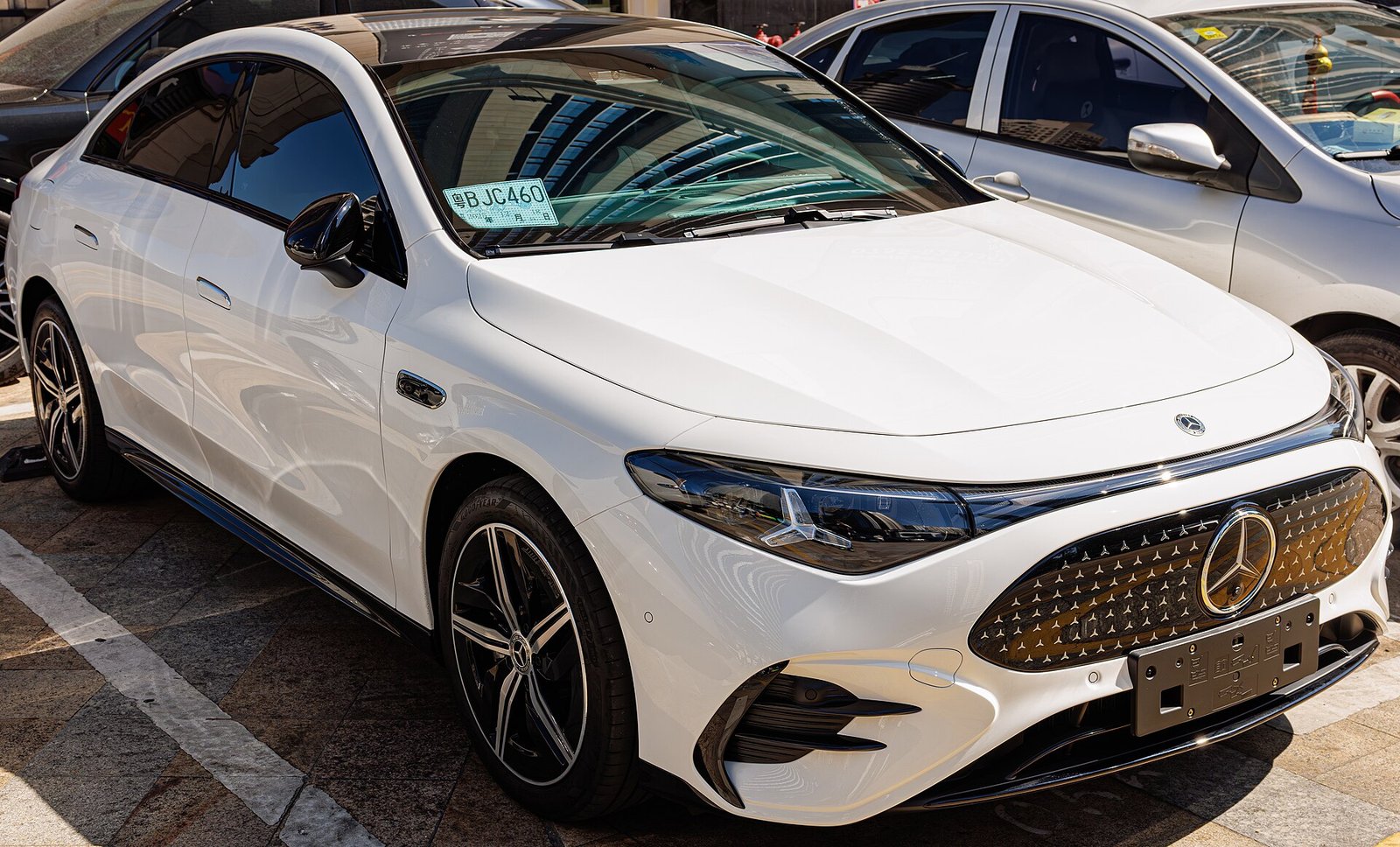
When Mercedes-Benz launched the hybrid version of its new CLA in the United States, it confirmed a detail most buyers will never think about: the 1.5-liter four-cylinder under the hood is made in China. It was developed with Aurobay, a subsidiary of a company most Americans have never heard of. That company is owned by France’s Renault, China’s Geely and Saudi Aramco, the biggest oil producer on earth. It’s called Horse Powertrain, and it’s quietly becoming one of the most important names in the global car business.
Horse doesn’t put its logo on any car. It doesn’t run TV ads. But it builds engines and transmissions for Renault, Dacia, Volvo, Nissan, Mitsubishi, Proton and now Mercedes, and its CEO has started saying out loud what most of the industry only says in private: the combustion engine isn’t going anywhere.
What Horse actually is
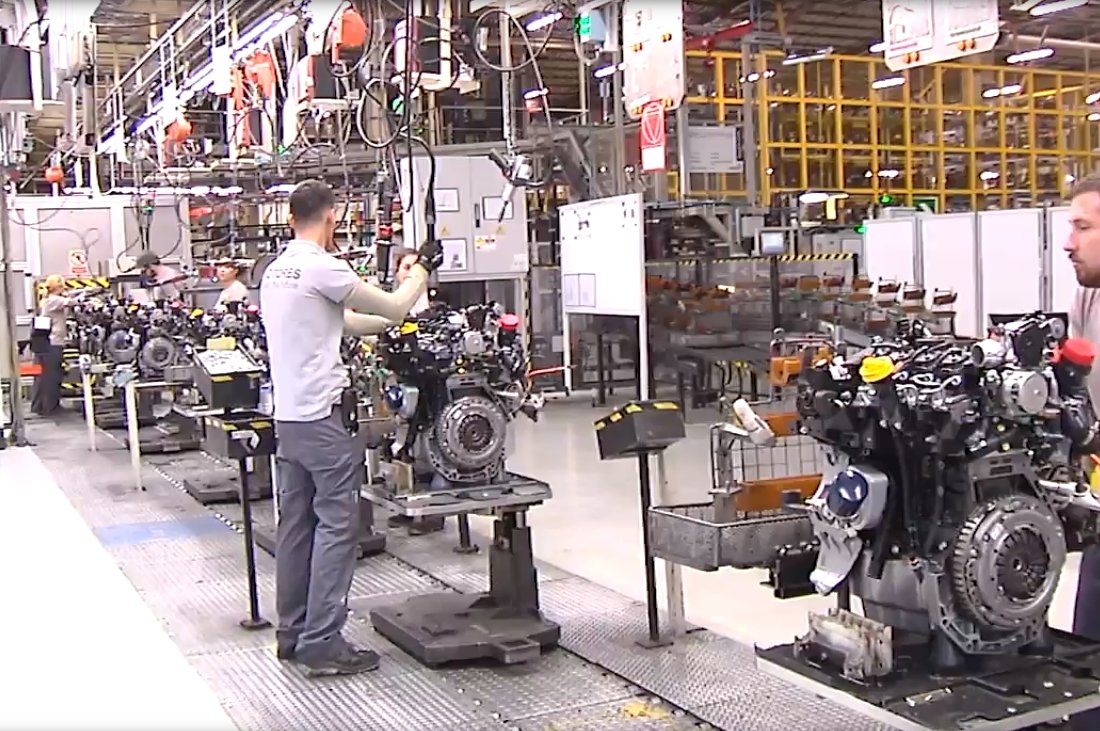
In May 2024, Renault Group and Geely, the Chinese group that owns Volvo, Polestar and Lotus, put all their combustion engine and transmission operations into a 50-50 joint venture. Renault brought its powertrain division, Horse, with its technical base in Madrid and factories in Spain. Geely brought Aurobay, its engine operation, which had grown out of Volvo’s engine business. The new parent company, Horse Powertrain Limited, is headquartered in London.
In December 2024, Saudi Aramco completed the purchase of a 10 percent stake at an enterprise value of €7.4 billion. Renault and Geely now hold 45 percent each. That sentence should bother you: the world’s largest oil company owns part of one of the world’s largest makers of gasoline engines.
The scale is serious. Horse says it has about 19,000 employees, 17 plants and five R&D centers on three continents, with capacity for around 5 million engines and transmissions a year and customers in 130 countries. When the venture was announced, the partners talked about annual revenue of roughly €15 billion. In Aramco’s regulatory filing at the close of its deal, Horse listed ten industrial customers.
Horse is what the industry calls a Tier 1 supplier: it sells to carmakers, not to you. That’s exactly why almost nobody outside the trade knows its name.
The CEO who said it out loud
Horse’s CEO is Matias Giannini, who has led the company since it was set up in 2024 and comes from the components side of the industry, not from a carmaker’s marketing department.
On April 24, 2026, at the media day of the Beijing auto show, Giannini opened with a forecast: by 2040, more than a billion vehicles with combustion engines will still be on the world’s roads. Then he said this: "Hybrid technology is a core solution for achieving net-zero emissions, not merely a transitional technology."
Core solution, not transition. That’s the thesis. It’s coming from the CEO of the company that builds the engines that burn the fuel sold by Aramco, which owns part of Horse, in cars designed by Renault and Geely, which own the rest. None of this is hidden. It’s all on the record. Hardly anyone has connected the dots.
He went further, arguing that carmakers should hand heavy, long-cycle powertrain modules to suppliers like Horse and focus their own money on what makes them different: brand, software, user experience. In plain English: stop spending a fortune each on your own hybrid engine and buy mine. It’s a pitch so transparent it’s almost cheeky.
What Horse has on the shelf
A thesis without product is a conference talk. Horse has product.
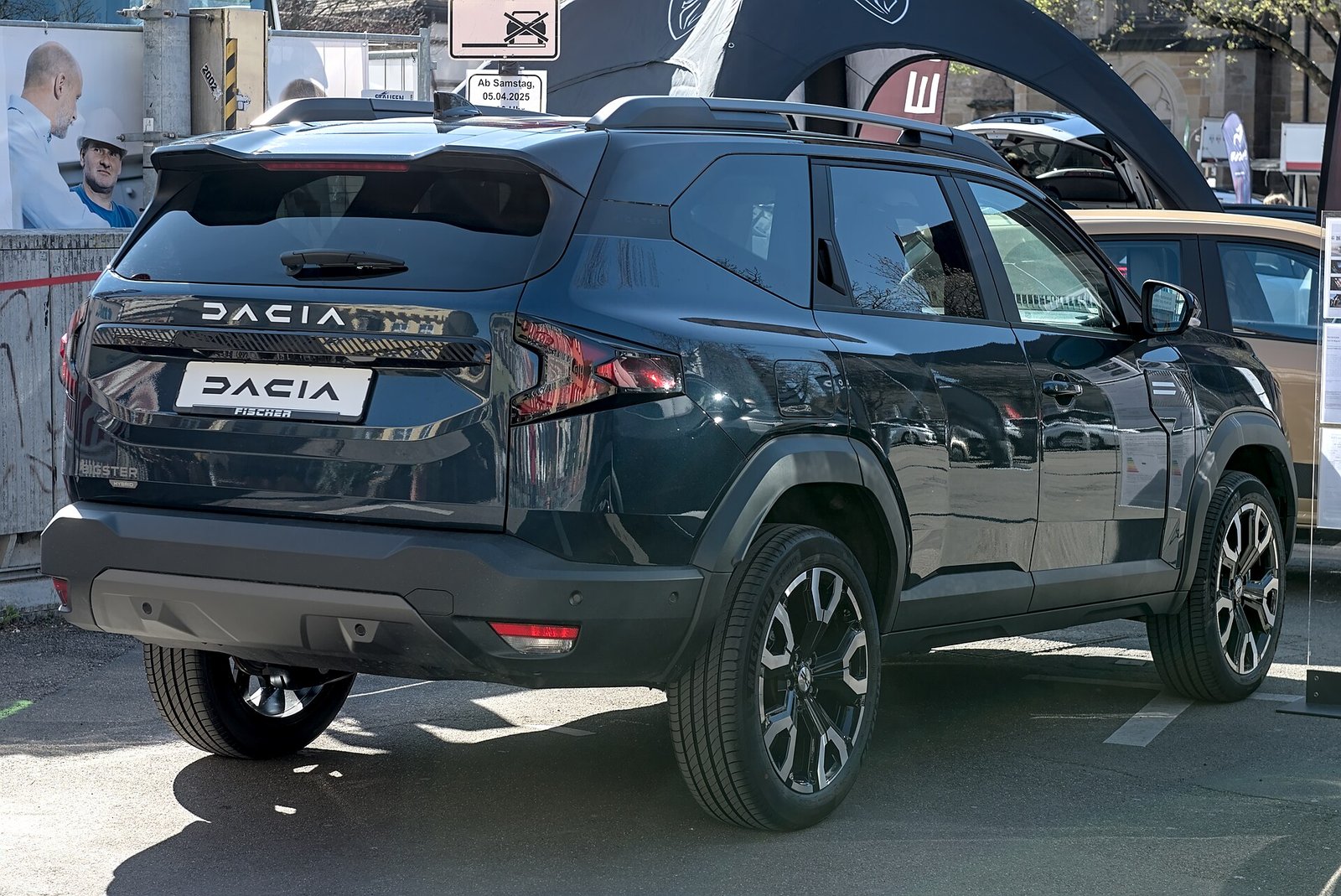
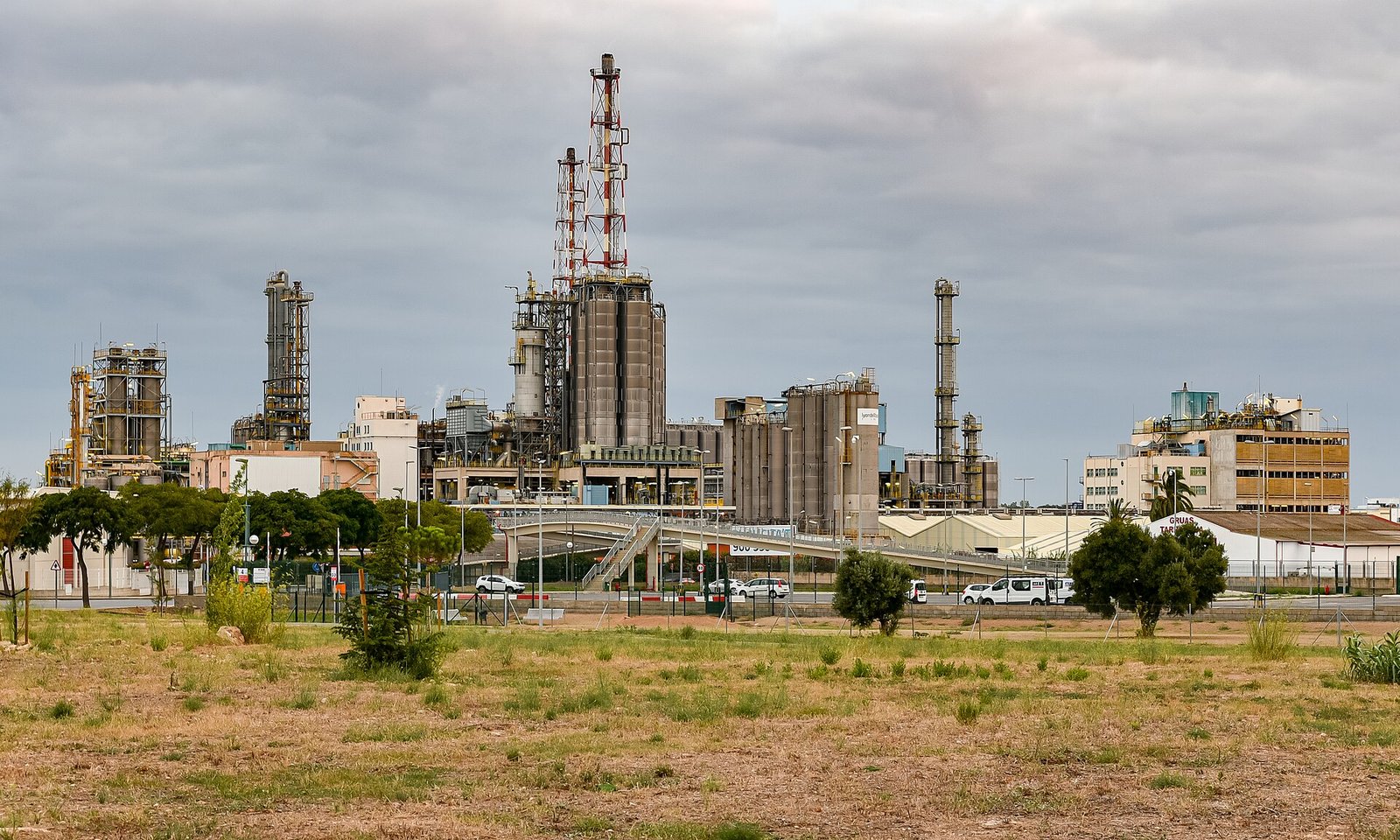
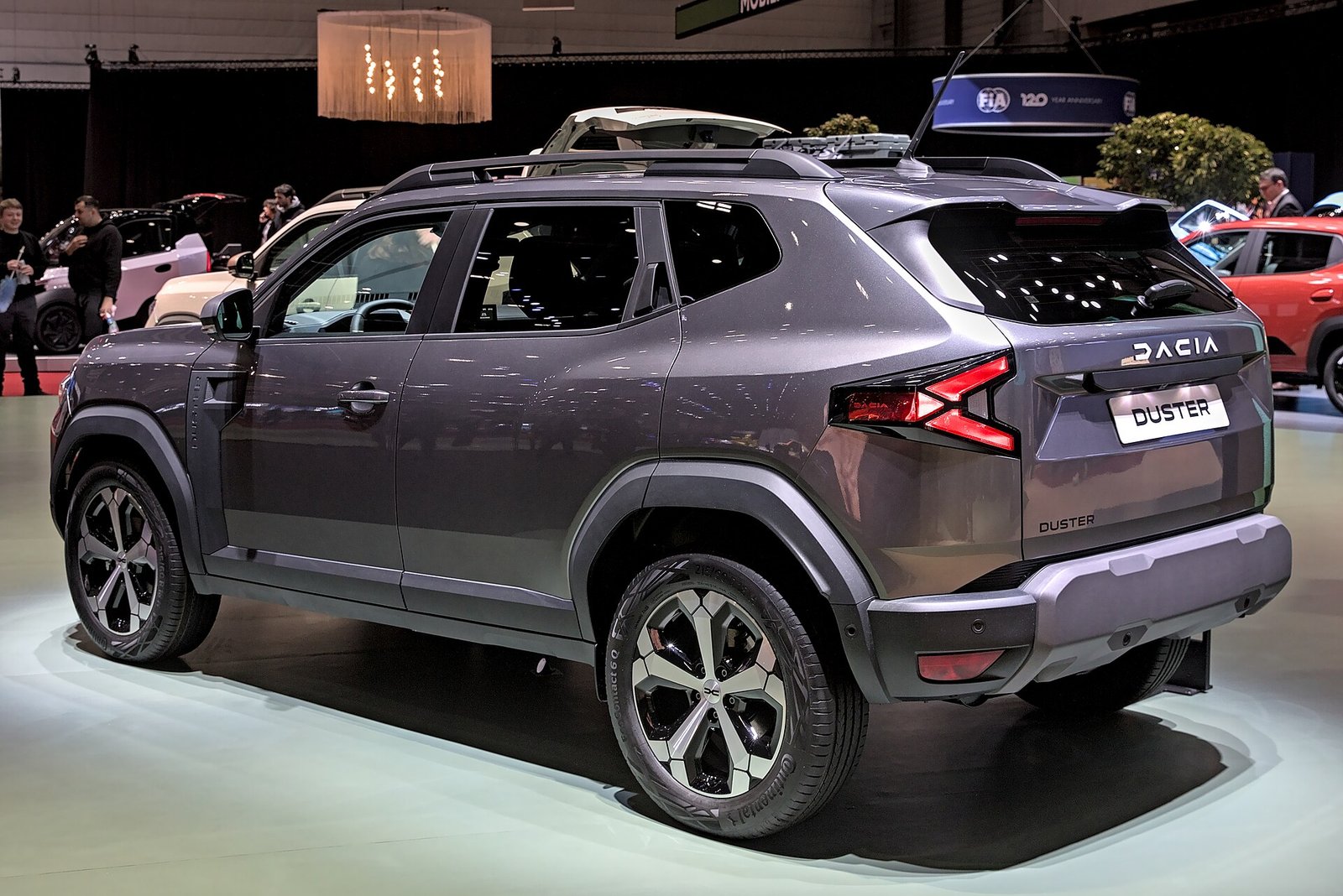
The H12 Concept. Developed with Spanish energy company Repsol, by Horse’s engineers in Valladolid, Spain, and Repsol’s technology lab in Madrid, this is a 1.2-liter three-cylinder hybrid engine evolved from the HR12 already used in the Dacia Duster, the Dacia Bigster and the Renault Clio. The numbers are big. Horse and Repsol claim a peak brake thermal efficiency of 44.2 percent. That figure measures how much of the fuel’s energy ends up as useful work at the crankshaft rather than heat out of the tailpipe and radiator. Typical modern gasoline engines sit around 35 to 40 percent, and Toyota’s best hybrid engine is just over 41. The companies also claim WLTP fuel consumption below 3.3 liters per 100 km, about 71 mpg, roughly 40 percent better than the 2023 European new-car average.
How? A 17:1 compression ratio, enormous for gasoline. Compression is how hard the mixture gets squeezed before it burns; more squeeze means more energy extracted, but in gasoline engines the limit is knock, fuel igniting on its own too early. A typical gas engine runs around 10:1 or 11:1. Horse and Repsol describe an "innovative combustion system" designed for that ratio without explaining it further, and they built it to run on 100 percent renewable gasoline that Repsol makes at its complex in Tarragona, Spain. All of these are manufacturer figures; there’s no independent test yet.
The X-Range. This is the piece that should get more attention in America. At Beijing in April 2026, Horse showed the X-Range C15 Direct Drive: a four-cylinder engine, a transmission, two electric motors and the power electronics packed into one flat housing that bolts in where the rear electric drive unit of an existing EV platform would go. A naturally aspirated version makes 70 kW for small and compact cars; a turbo version makes 120 kW for midsize cars and light commercial vehicles.
Think about what that means. A carmaker that spent a billion dollars on an EV-only platform that isn’t selling as hoped can turn it into a hybrid by swapping a module. No redesigned car, no new assembly line, no write-off. Horse is selling the emergency exit. The Direct Drive builds on the C15, a pure range extender, an engine that only generates electricity, which Horse showed in Munich in 2025.
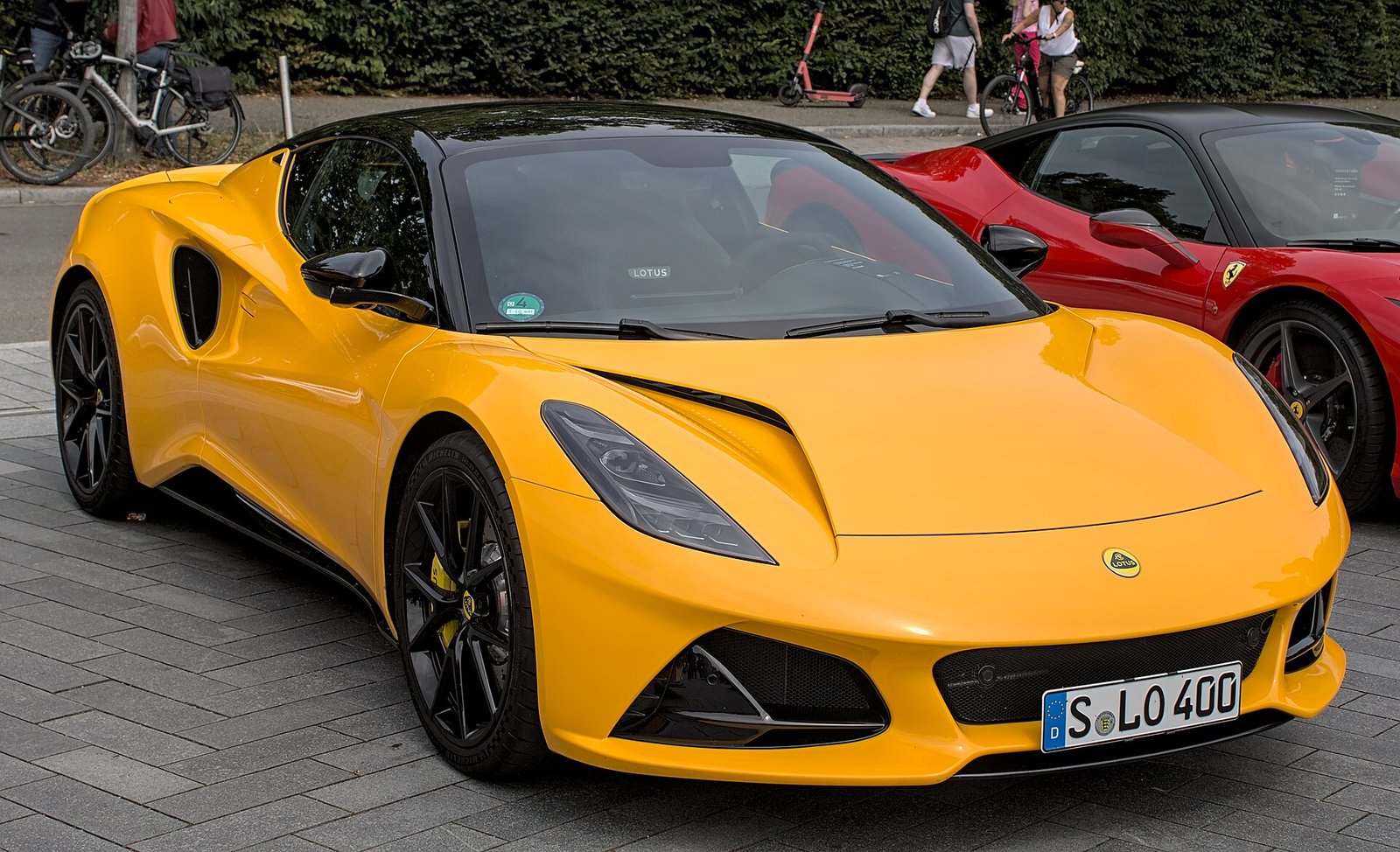
The W30 V6. Horse’s first V6 breaks the idea that combustion is only for cheap cars. It’s a 3.0-liter with banks at 90 degrees, rated at 350 to 400 kW, about 470 to 535 hp, and 600 to 700 Nm, with an 8,000 rpm redline. It can be mounted transversely or longitudinally and pairs with a new four-speed hybrid transmission. Horse says it weighs 160 kg, around 350 pounds, which it claims makes it the lightest V6 on the market, roughly 10 kg under the next one. First applications are expected in 2028, and reports point to the updated Lotus Emira, which is no surprise, since Lotus also belongs to Geely.
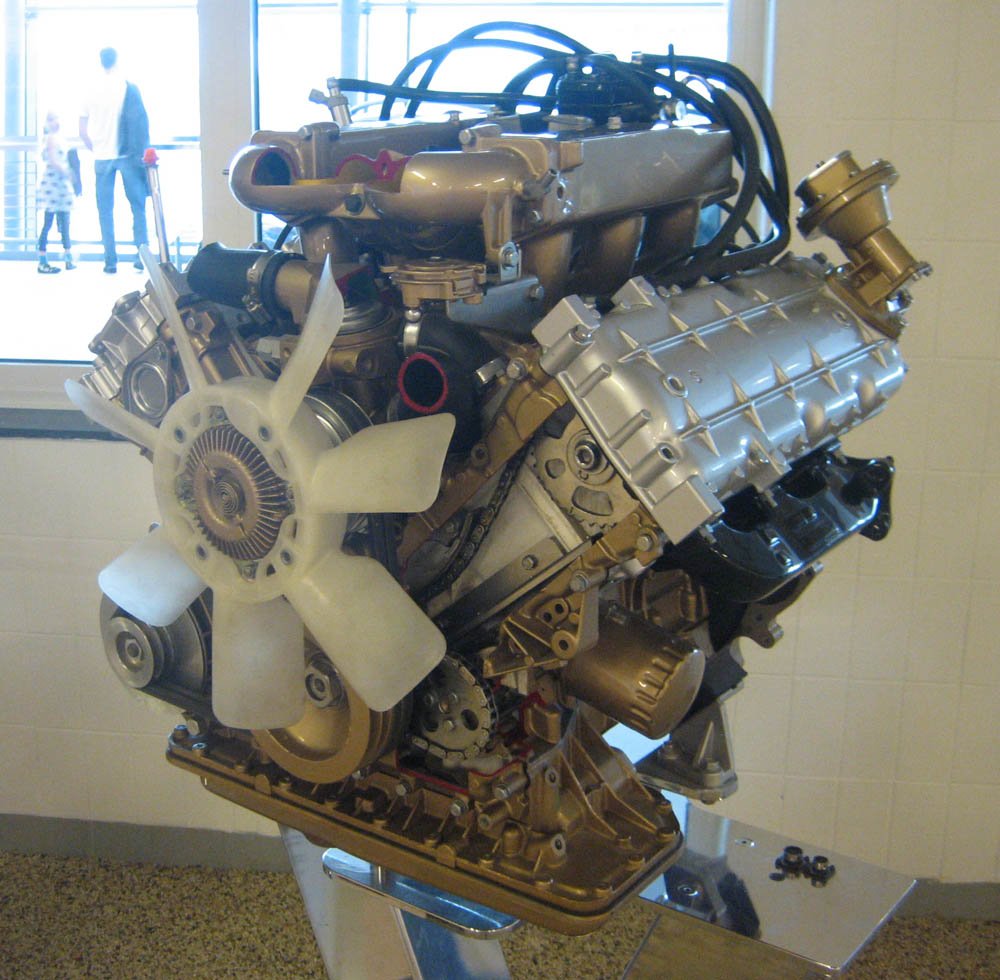
There’s a history lesson here. From 1974 to 1998, Peugeot, Renault and Volvo shared a V6, the PRV, designed to be modular and to serve several brands at once. Its most famous American appearance was in the stainless-steel DeLorean DMC-12. Half a century later, Renault is again behind a modular V6 meant to serve multiple carmakers. This time Volvo isn’t signing the check. Geely is, and a slice comes from Aramco.
Why it’s a brilliant move
Every carmaker is stuck with the same problem: double investment. Regulation pushed them into EV platforms. The EV market didn’t grow as fast as they promised investors. Charging infrastructure is slow, battery materials are complicated, prices aren’t falling fast enough, and real customers keep asking for hybrids. So carmakers have to fund two technologies at once: the EVs regulators want and the hybrids buyers want. Double R&D, double tooling, double engineering teams.
Horse’s offer is to make half of that problem disappear. Stop building powertrains, buy them from us, modular and ready to install, and spend your capital on what customers actually notice. Nobody buys a car for its engine block.
And here’s the clever part. Horse isn’t just selling engines. It’s selling a way out of the maze that keeps combustion alive for another twenty years, guarantees demand for fuel, synthetic or not, and makes Horse one of the players deciding how fast transport decarbonizes. Every hybrid sold in 2030 with a Horse engine inside is a car that still needs fuel. And fuel is sold by oil companies, one of which owns 10 percent of Horse.
The Aramco connection
Aramco has also built its own engine. At its research center in Detroit, it developed the DHE, a dedicated hybrid engine: a 1.6-liter three-cylinder designed to generate electricity rather than drive the wheels directly. We covered it in our piece on Aramco’s hybrid engine. That’s half the story. The other half is Horse.
Line the pieces up. Aramco pumps crude. Aramco designs a hybrid engine in Detroit. Aramco owns part of Horse, which has the real industrial network: 17 plants, 19,000 people, contracts with the carmakers. If Aramco’s engine is ever built at scale, the obvious candidate is a company it already owns a piece of. Nobody has announced that; it’s simply where the pieces point. Meanwhile the engines inside Horse’s hybrids burn gasoline, and Aramco refines and sells gasoline. It’s not a lobbying campaign. It’s buying the right industrial pieces and letting the market do the rest.
Renault and Geely aren’t victims here. They turned a huge cost, engine development with endless emissions compliance and shrinking margins, into a separate business that sells to third parties and pays dividends. If you want the wider picture of the European suppliers betting on combustion, see our story on Bosch, Mahle and AVL, and for the Chinese side, our piece on Chinese engines and thermal efficiency.
The awkward question
Is any of this a scam? No. It’s legal, disclosed and technically excellent. The H12, if its numbers hold up, is a superb engine. The X-Range is a clean idea. The W30 may be the best light V6 of the decade. Repsol’s renewable gasoline is real.
But ask yourself why nobody talks about Horse the way they talk about Toyota, Tesla or BYD. Why Giannini’s Beijing speech wasn’t front-page news. Why a company that will shape what’s under the hood of a huge share of the world’s cars is doing it so quietly. Nobody has much reason to tell the story. Regulators who sold the end of combustion as settled don’t love it. EV-only companies don’t love it. Climate activists don’t love the idea of hybrids as a permanent fixture. And Aramco is happy for it to happen in the background.
For American buyers there’s one more layer. If you buy a new Mercedes CLA hybrid, the engine was built in China by a company partly owned by a Saudi oil giant, under a design shared with a French carmaker. Trade policy, tariffs and politics may decide how many of those engines end up in American driveways. The engineering has already been decided somewhere else.
Who owns the engine
Horse Powertrain isn’t the villain or the hero. It’s a mirror. For the first time in decades, the car industry is looking at a company that understands its problem better than it does and has a coherent industrial answer on the table. Coherent, of course, with the interests of its shareholders: Renault, Geely and Aramco.
Whoever controls the engine controls the car. Whoever controls the car shapes how half the world moves. While most people were arguing online about EVs, that already found an owner.
Check you’re still alive.
Photos: Junta de Castilla y León (CC BY 3.0); Dinkun Chen (CC BY-SA 4.0); Alexander Migl (CC BY-SA 4.0); Jorge Franganillo (CC BY 2.0); Alexander-93 (CC BY-SA 4.0); Svennex (public domain); Alexander-93 (CC BY-SA 4.0). Via Wikimedia Commons.