Doble Steam Motors: The California Car That Could Have Killed Gasoline, and Lost to the Model T
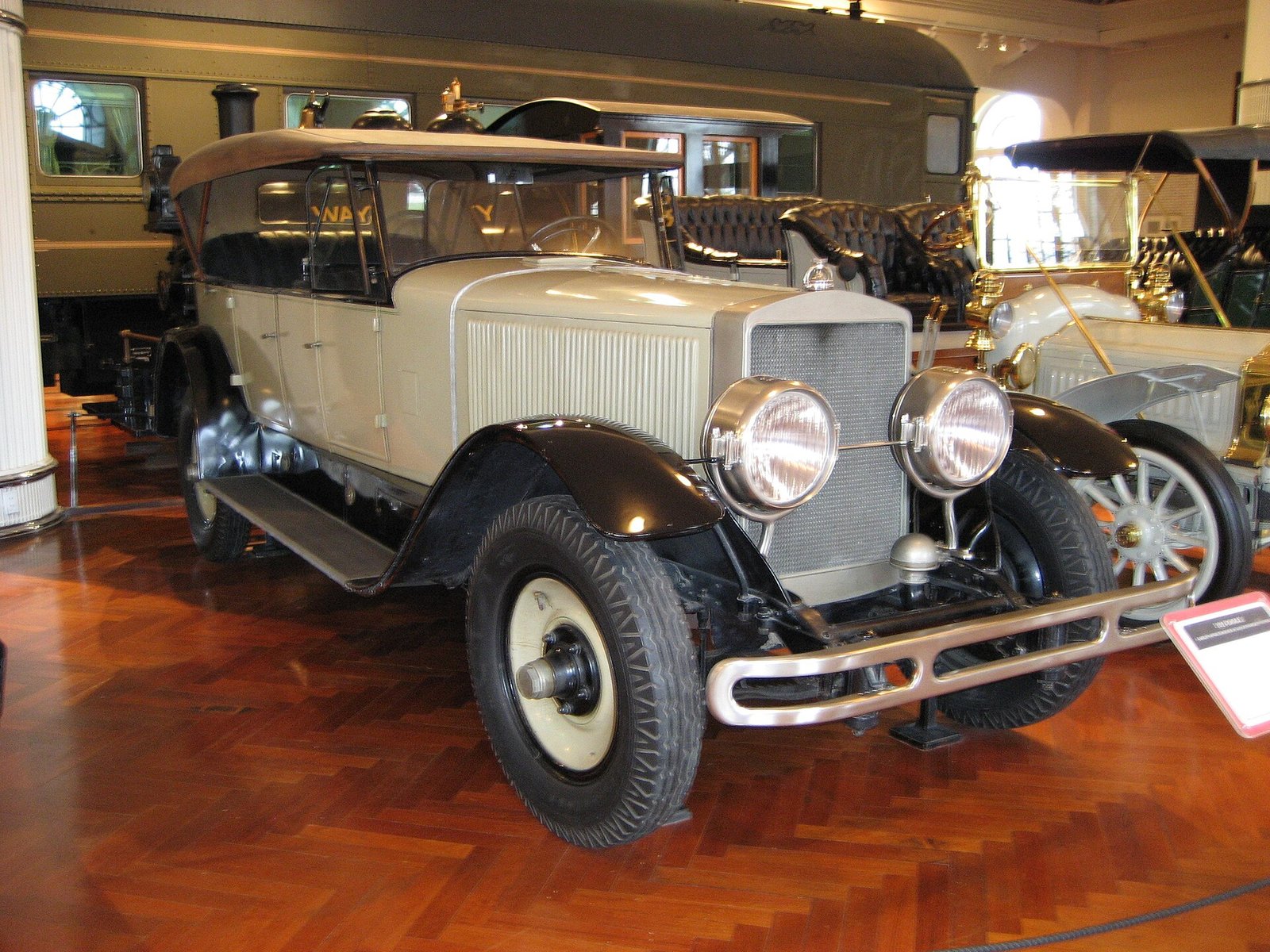
Jay Leno owns a car that starts from cold in about thirty seconds, makes something like 1,000 lb-ft of torque, needs no clutch and no gearbox, and glides through Burbank in near silence. It was built in 1925, and Howard Hughes was its first owner. It runs on steam. If that sounds like the opening of an alternate history in which Americans never learned to shift gears, that’s because it almost was one. For a few years in the 1920s, a small company across the bay from San Francisco built what may have been the most advanced car in the world. It was called the Doble, and Henry Ford’s assembly line killed it.
Emeryville, 1920s
The Doble Series E came out of a small plant in Emeryville, California, with fewer than a hundred people on the payroll. On paper, its numbers still sound unreal. It was ready to drive about thirty seconds after a cold start, even below freezing. It could cover some 1,500 miles on a tank of water. It cruised at highway speeds with the engine turning around 900 rpm and almost no vibration, and the lightened version could reach 75 mph in about ten seconds. There was no clutch to slip and no gears to grind. The loudest thing about it was the wind.
The obvious question is why, if a car like that existed in 1924, everyone ended up driving gasoline cars with clutches and transmissions. The short answer is that a Doble cost dozens of times as much as a Model T. The long answer is more interesting.
A family of engineers
Abner Doble and his brothers came from a California family steeped in engineering. Their grandfather had made money building tools for the gold-rush miners. Their father, William, worked on power generation and held patents, and the family business, the Doble water-wheel company, was well known in the West. Fluid power ran in the family.
Abner built his first steam cars before he was twenty, and he had a working prototype by 1909. What set him apart from the many other steam-car builders of the day wasn’t the idea of steam. It was his determination to fix every problem that others had learned to live with.
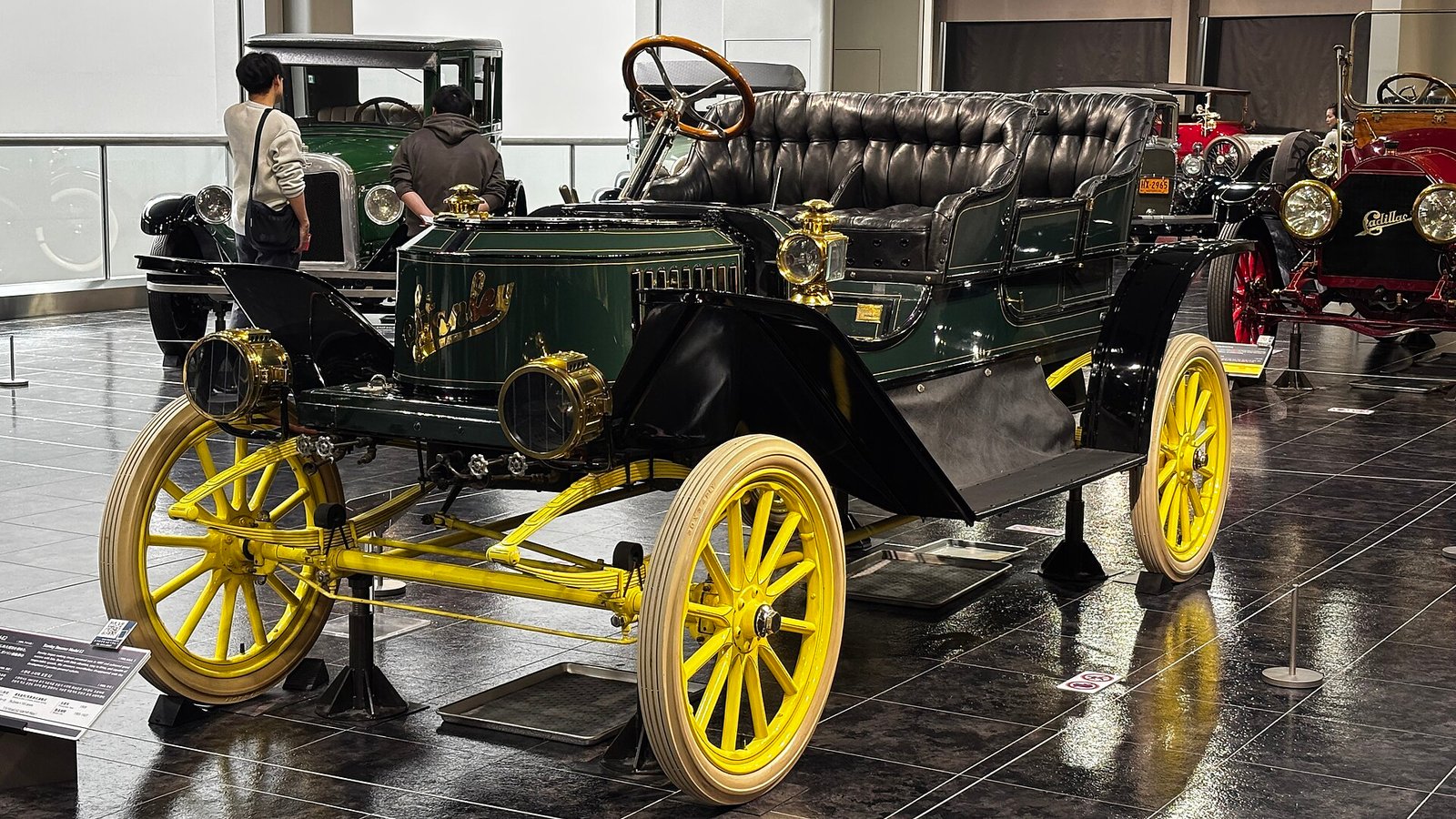
The famous Stanley steamers were fast and quiet, but they could take many minutes to raise steam from cold. For a middle-class buyer who wanted to get to work, that was a deal breaker. Gasoline had its own problems, mostly the hand crank, until Charles Kettering’s electric starter appeared on the 1912 Cadillac. From then on, gasoline won on convenience, not on engineering.
Doble set out to remove steam’s convenience gap, and he managed it. His monotube boiler, used in the Series E from 1922, worked at around 750 psi and 400 degrees Celsius, about 750 degrees Fahrenheit, and was ready to move the car about thirty seconds after an electric ignition lit the burner. It was a coil of seamless steel tube, roughly 575 feet of it, wound into a cylinder less than two feet across and under three feet tall, and it was tested cold at 7,000 psi, almost ten times its working pressure. That’s an aviation-grade safety margin in a 1920s road car.
Steam had already been fast
It’s worth remembering that steam wasn’t some slow, quaint alternative. In January 1906, a Stanley steam car called the Rocket, driven by Fred Marriott, ran about 127 mph on the sand at Ormond Beach, Florida, the fastest any human had traveled on land at that point. No gasoline car beat that speed for several years. Steam’s problem was never performance. It was the waiting, the water and the complexity, and those were exactly the problems Doble set out to remove.
The Series E, by the numbers
The engine was a four-cylinder double-acting compound: two high-pressure cylinders and two low-pressure ones, an arrangement railroads had used for decades, adapted for a car. Steam pushed the pistons in both directions, so every turn of the crank produced several power strokes, and the torque figure, generally quoted at about 1,000 lb-ft, was the kind of number a modern heavy truck would be proud of.
It burned almost anything: gasoline, diesel, kerosene, alcohol or furnace oil. Kerosene was the favorite, because it was cheap and burned clean. In rural America in the 1920s, being able to fill up with whatever was on the farm was a real advantage.
The trick that let it go so far between water stops was a condenser at the front, which captured the exhaust steam, cooled it and returned it to the water supply. Except at full power, the car barely vented steam at all. It was close to a closed cycle, which solved the other old steam-car problem, stopping every few dozen miles to refill with water. From the outside, nothing gave the secret away. The condenser sat exactly where a radiator would, behind a grille like any other luxury car’s, and the bodies were the same formal sedans, tourers and roadsters that coachbuilders put on Packards and Lincolns. Parked at the curb, a Doble looked like money. Only when it pulled away without a sound did people realize it was something else.
Top speed was quoted at more than 90 mph, and one car is said to have reached around 110 mph in testing. Because a steam engine produces maximum torque from zero rpm, a single gear covered the whole speed range. You pressed a button, waited half a minute and drove off like you would in a modern electric car. Doble backed the engine with a warranty of 100,000 miles, a figure that would make most carmakers nervous even today.
The price
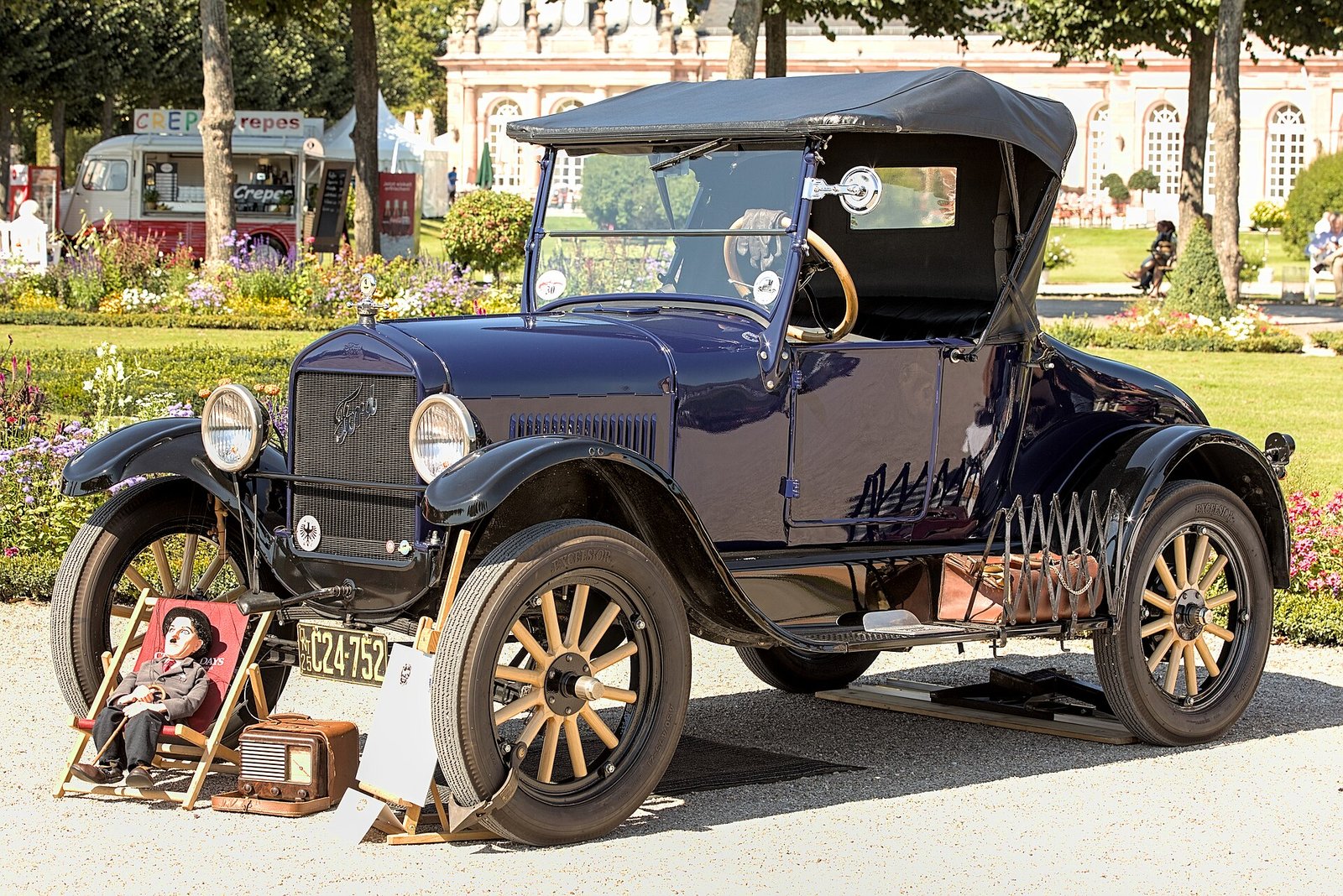
All of this came at a price that ended the story before it started. A Series E cost around $18,000: about $9,000 for the chassis and the same again for a custom body, often from Walter M. Murphy of Pasadena. That’s roughly a quarter of a million dollars today. In 1924, a Ford Model T could be had for well under $400. A Doble cost something like forty-five to seventy times as much.
So who bought them? Hollywood stars, oil money, heirs and royalty. Howard Hughes bought one, and that car, chassis E-20, is the one Jay Leno now owns and runs. The Maharaja of Bharatpur ordered another. For those buyers, $18,000 was what a luxury car cost. They were the same people buying a Duesenberg, a Rolls-Royce or a Hispano-Suiza. When the Duesenberg Model J arrived in 1928, its chassis alone cost about $8,500, and that was considered outrageous. The Doble’s chassis cost more. For everyone else, it was out of reach.
Two reasons it died
Doble Steam Motors didn’t fail because its engineering was inferior. It failed for two very industrial reasons.
The first was scale. Henry Ford and later General Motors understood earlier than anyone that the secret wasn’t building the best car in the world. It was building a good enough car at the lowest possible price, on a moving assembly line, at enormous speed. By the mid-1920s, Ford’s plants could turn out more than 9,000 Model Ts in a day. Doble built about two dozen Series E cars between 1922 and 1925, total. When your rival makes more cars before lunch than you’ll build in your company’s lifetime, being ten times better doesn’t matter.
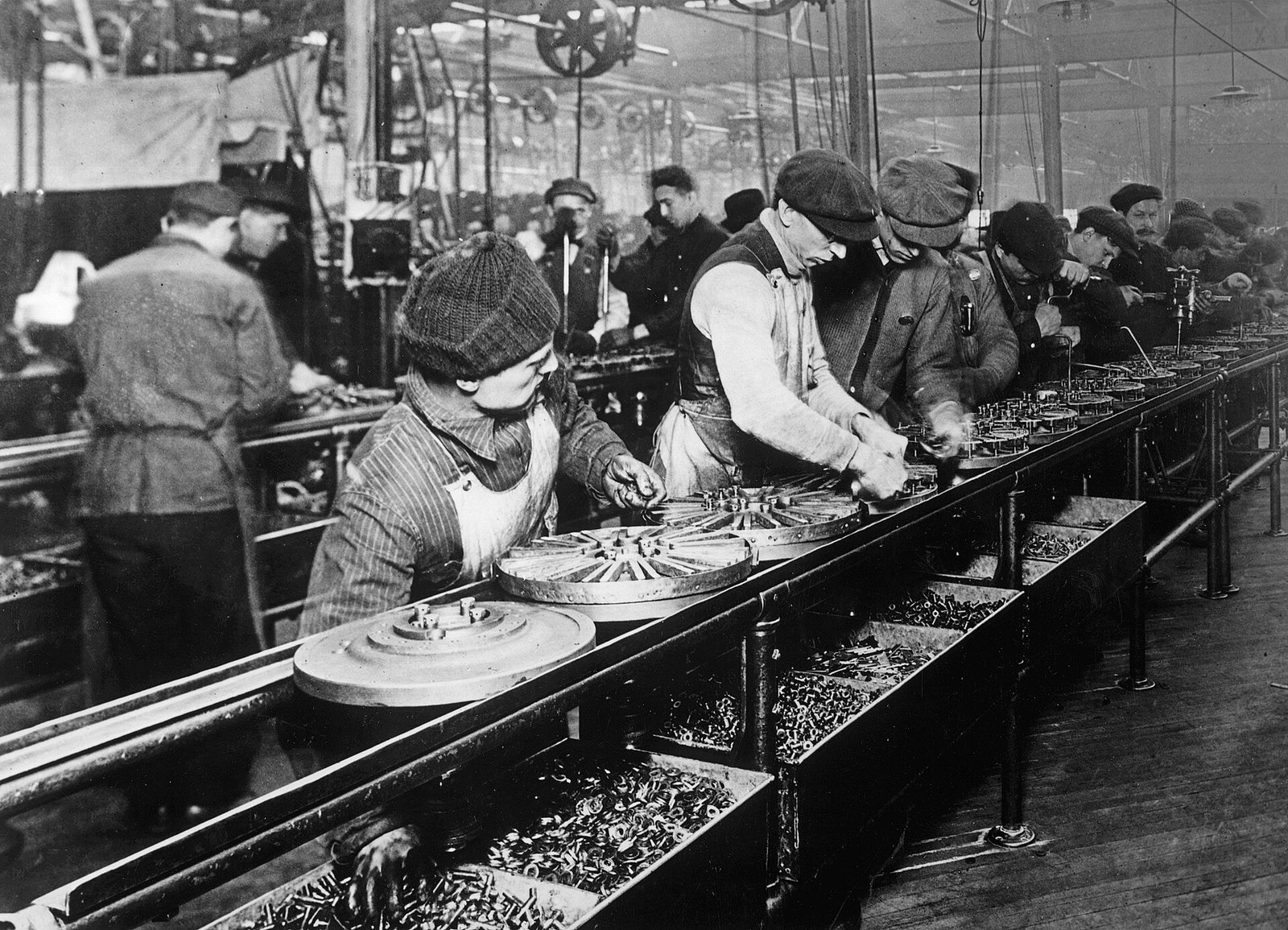
The numbers on Ford’s side are staggering. When the moving assembly line went into Highland Park in 1913, the time to build a Model T chassis dropped from more than twelve hours to about an hour and a half. By the time production ended in 1927, more than 15 million Model Ts had been built. And General Motors added the other half of the modern car business: a range of brands at different price points, a new look every year and, from 1919, its own finance company so ordinary families could buy on credit. A Doble customer paid cash for a hand-built machine. A Chevrolet customer paid in monthly installments for a car that looked new every fall. The mass market went to the people who sold cars like that.
The second was Abner Doble himself. He was such a perfectionist that he wouldn’t build in quantity until every detail met his standards. That delayed launches, blew deadlines and drove costs up. The company also ran into legal trouble over the way it had sold stock, and it was wound up around 1931. The underlying problem was that Doble never quite accepted that great engineering alone doesn’t win an industrial war. Engineering that can be built and sold at scale does.
1920: nobody knew yet
In 1920, it wasn’t clear that gasoline would win. Steam had Doble, Stanley and White. Electric cars had Detroit Electric, Baker and Columbia, popular in cities. Internal combustion had Ford, GM and the new Chrysler. By 1925 the fight was over, and thermodynamics didn’t decide it. The production line did.
A hundred years later, the parallels are hard to ignore. Chinese engineers are building combustion engines with thermal efficiency once reserved for Formula 1. Toyota is pushing hydrogen. Mazda keeps the rotary alive against every economic logic. European suppliers like Bosch, Mahle and AVL are still investing billions in combustion for the markets where regulators allow it, while Europe pushes electrification by law. As in 1920, the outcome won’t be settled by which technology is best. It’ll be settled by industrial scale, regulation and money.
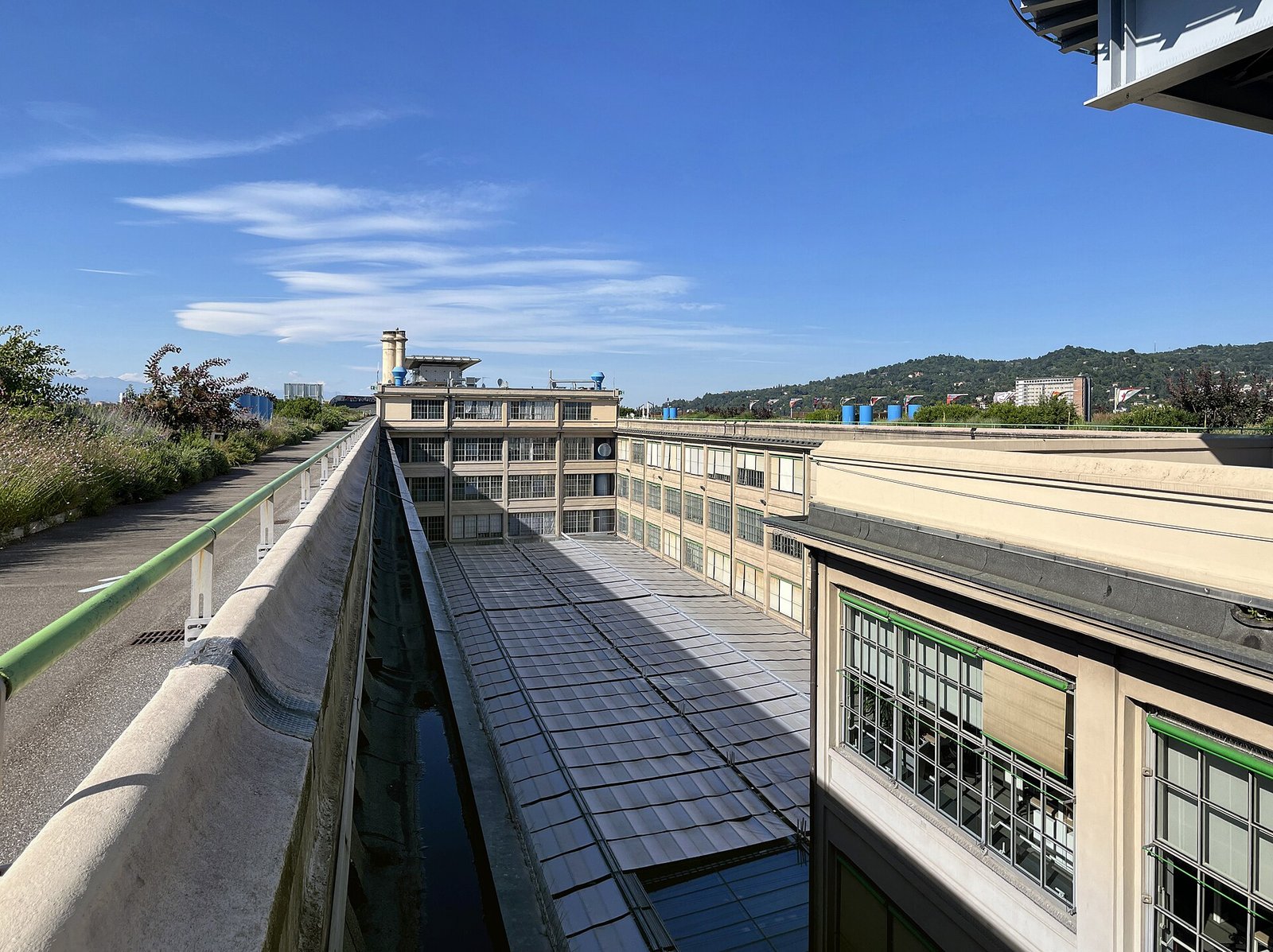
The Fiat founders saw it too. Giovanni Agnelli visited Detroit, came home and built the Lingotto factory in Turin, opened in 1923, with a test track on the roof and production arranged in Ford style. Across Europe, the companies that survived the 1920s were the ones that copied Highland Park, not the ones that built the most elegant machines.
The rest of the story
When the Emeryville company closed, Abner Doble kept going. He worked with Henschel in Germany, where his steam technology was applied to trucks and experimental rail vehicles through the 1930s. Later, he worked with Paxton Engineering, part of McCulloch Motors, on a steam car with a far more advanced system running at very high pressures and temperatures. That project ended in the 1950s, and with it the last serious American attempt at a modern steam car.
Of the roughly two dozen Series E cars built, around nine are known to survive, in private collections and museums in the U.S. and at least one in Europe. The Henry Ford Museum in Dearborn has one, which is a nice irony, given who killed the company. Leno’s E-20 still starts in about thirty seconds and moves silently through Burbank, a hundred years on, working exactly as designed.
The ghost that kept coming back
Steam didn’t completely disappear from American automotive dreams. In the late 1960s, when California started cracking down on smog, a steam revival briefly flickered. Engineers liked steam’s external combustion, which burns fuel steadily and cleanly compared with the explosions inside a gasoline engine, and the state even funded experiments with steam-powered buses. The aviation entrepreneur Bill Lear, of Learjet fame, spent a small fortune on steam cars and buses before giving up. None of it reached production. Catalytic converters and electronic fuel injection cleaned up gasoline engines enough to kill the idea again, and Doble’s dream went back into the museum.
The question it leaves
If the most advanced car of the 1920s could do everything the Doble could and still lose to the Model T on industrial scale, what does that say about the arguments going on now between combustion, batteries and hydrogen? NEC doesn’t do prophecy. But the history of the car hasn’t usually been decided by engineers. It has been decided by economies of scale, regulation and shareholders with deep pockets. Everything else, however brilliant, becomes a legend.
The Doble is exactly that: a silent legend still running in California, reminding anyone who will listen that being the best doesn’t guarantee winning. The next time you read that someone has solved combustion, or batteries, or hydrogen, it’s worth asking who’s going to build it at scale, who’s going to sell it cheaply and who has the industrial system to put it in every garage.
That’s the question that killed Doble Steam Motors, a company with better answers than anyone else to every question except the one about money and scale. A century later, it’s still the one that matters.
Check you’re still alive.
Photos: Doble Model E, NAParish (CC BY-SA 2.0); Stanley Steamer, Oq10pass (CC0); Ford Model T, Alexander Migl (CC BY-SA 4.0); Ford assembly line 1913 (public domain); Lingotto, Gunnar Klack (CC BY-SA 4.0). Via Wikimedia Commons.