
VW Lupo 3L TDI: the 78 mpg diesel Volkswagen built in 1999 and never sold in America
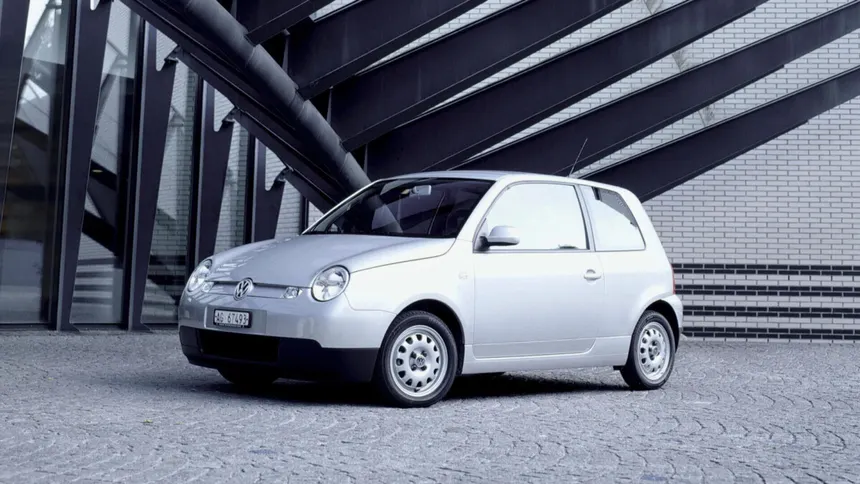
In December 1999, Honda launched the Insight in the United States: a two-seat hybrid with an aluminum body, rear wheel skirts and an EPA rating that started with a seven on the highway. Americans treated it like a car from the future. Across the Atlantic, that same year, Volkswagen was already selling a four-seat hatchback with no hybrid system at all, just a tiny three-cylinder diesel, that was built to use 3 liters of fuel every 100 kilometers, about 78 mpg in US gallons. It was called the Lupo 3L TDI, it never came here, and two decades later it became the shell for one of the fastest drag cars in Europe.
Why you never saw one
The Lupo was Volkswagen’s smallest car, a city hatchback built from 1998 to 2005 and sold all over Europe. It was smaller than anything VW offered in the US, and the company never thought Americans would buy a car that size. The name means "wolf" in Italian, a wink at Wolfsburg, the German town that is home to VW’s headquarters. The Spanish brand SEAT sold a near twin, the Arosa, built on the same small platform.
Most Lupos were ordinary city cars with ordinary engines. The 3L was something else.
Piëch’s 3-liter car
The 3L came from the mind of Ferdinand Piëch, the engineer who ran Volkswagen in the nineties and turned it into the most technically ambitious car group in the world. Piëch, a grandson of Ferdinand Porsche, believed the internal combustion engine could do far more if the whole car was engineered around efficiency at once: engine, gearbox, aerodynamics, weight and electronics. The same chairman who would later approve a 1,001-horsepower Bugatti Veyron wanted a production car that could cross Germany on a few gallons.
The target was in the name. Three liters per 100 kilometers had become a buzzword in Germany in the nineties, the benchmark for "the car of the future" in political speeches and environmental campaigns. Volkswagen decided to build it, sell it through its dealers and back it with a normal warranty.
Rebuilt from the body up
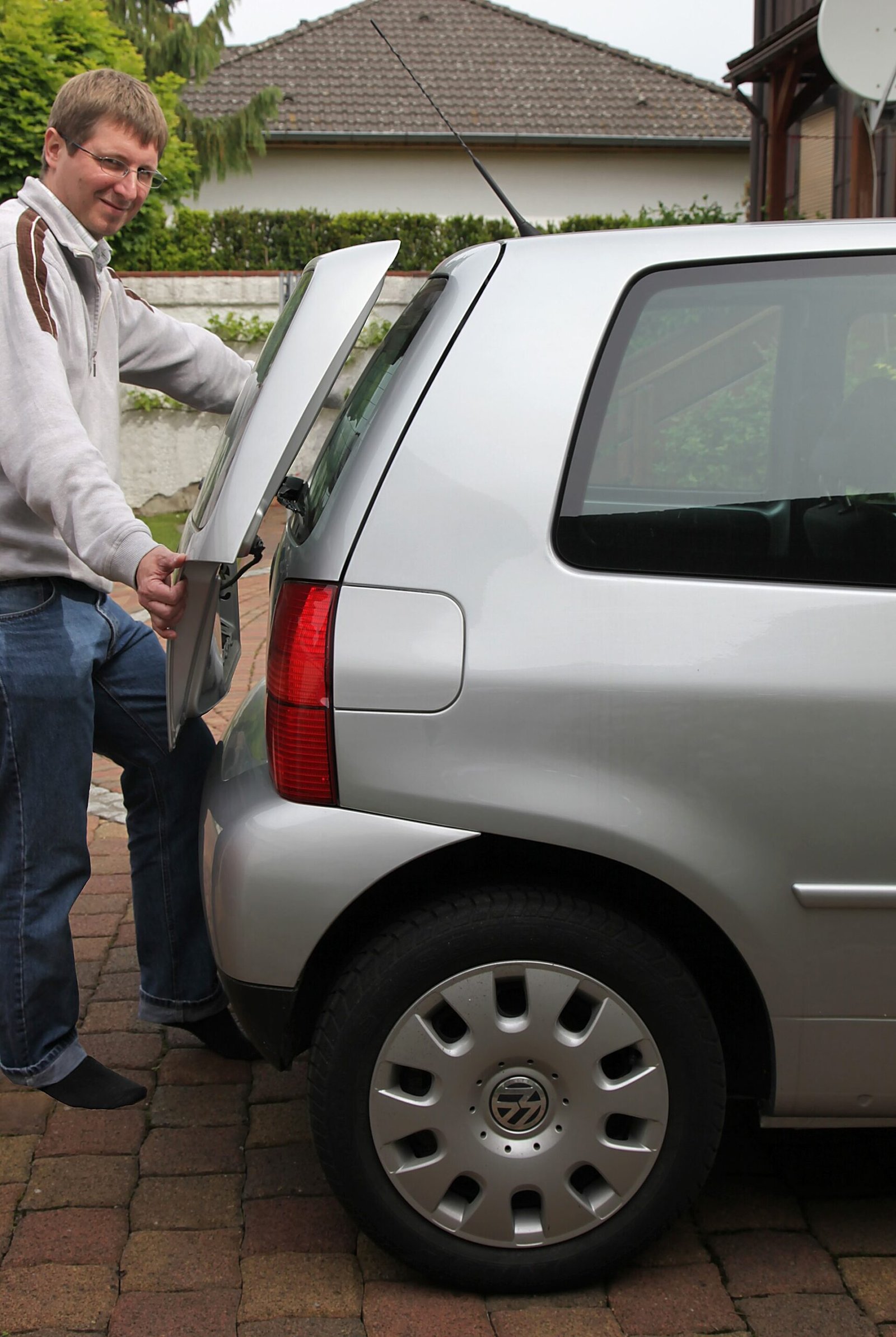
The 3L looked almost exactly like any other Lupo, and that was misleading. Volkswagen re-engineered nearly the whole car. The steel body used thinner, higher-strength sheet. The doors, hood, hatch and front fenders were aluminum. The seat frames and steering wheel were magnesium. The light-alloy wheels were held on by four bolts instead of five. Most of the sound deadening was removed, and air conditioning and a radio weren’t standard.
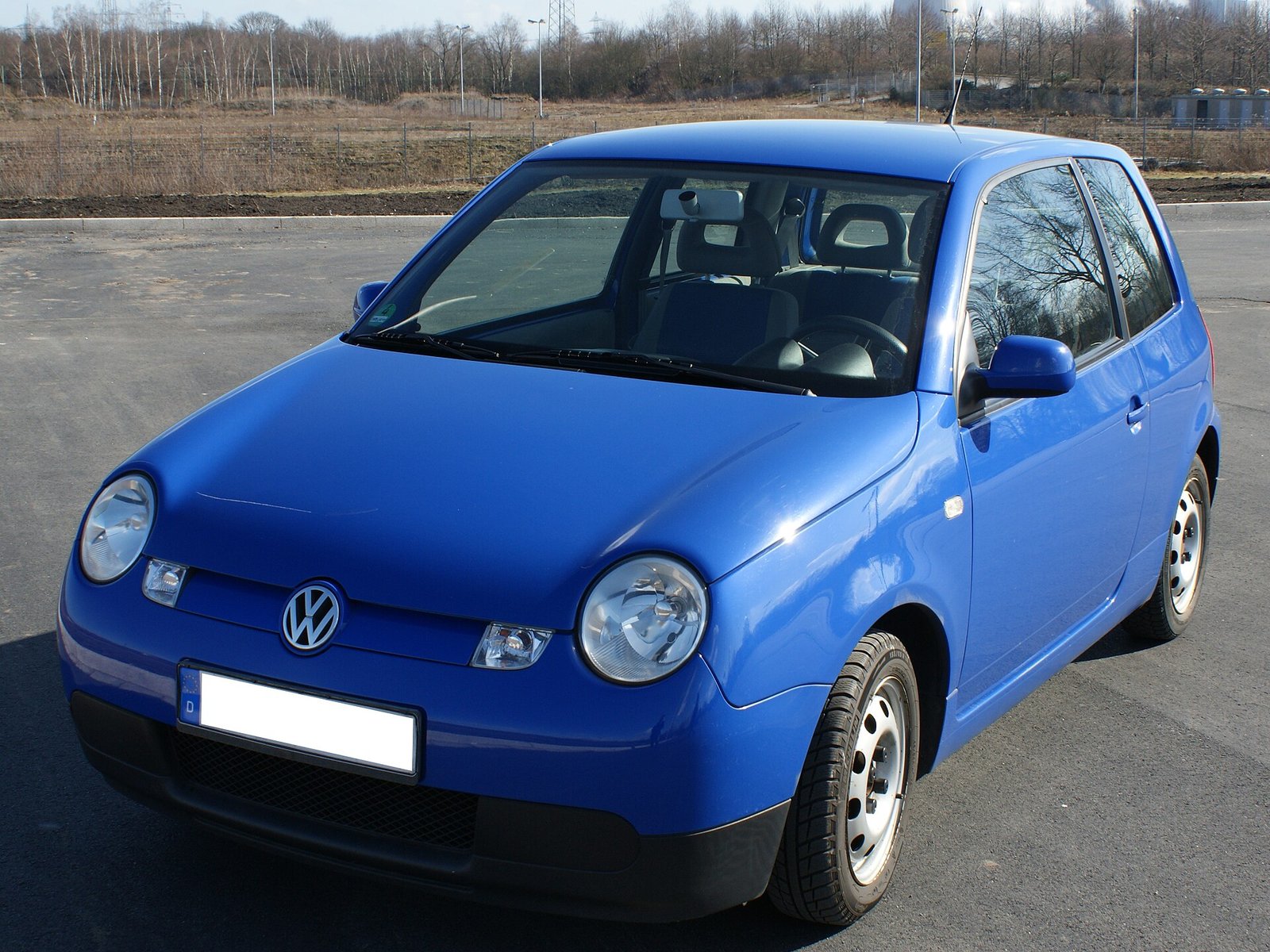
The result weighed 830 kilograms, about 1,830 pounds, roughly 150 kg (330 lb) less than the regular Lupo diesel. For comparison, the first Honda Insight weighed a little over 1,850 pounds, and it was a two-seater. The Lupo 3L carried four people.
Aerodynamics got the same treatment. The 3L had a drag coefficient of 0.29, against 0.32 for a standard Lupo, thanks to tighter panel gaps, smoother wheel openings and covered sections underneath. That’s a very low number for a short, tall city car.
A three-cylinder diesel with injector pumps
Under the hood was a 1.2-liter three-cylinder turbodiesel, engine code ANY, with an aluminum block. It used Volkswagen’s Pumpe-Düse unit injectors, which combine the pump and the injector for each cylinder and fire fuel at pressures of up to 2,050 bar, almost 30,000 psi. A variable-geometry turbo and an intercooler helped it make 61 horsepower at 4,000 rpm and 103 lb-ft of torque from 1,800 rpm. The 0-to-62 mph time was 14.5 seconds, and top speed was about 103 mph. Nobody bought it for the acceleration. Why so much pressure? The finer the diesel spray, the faster and more completely it burns, and the more energy you get out of every drop. Three cylinders instead of four also helped: fewer moving parts meant less internal friction, and in a car that spent most of its life at low load, friction is a big part of what you burn.
No clutch pedal, and an engine that switched itself off
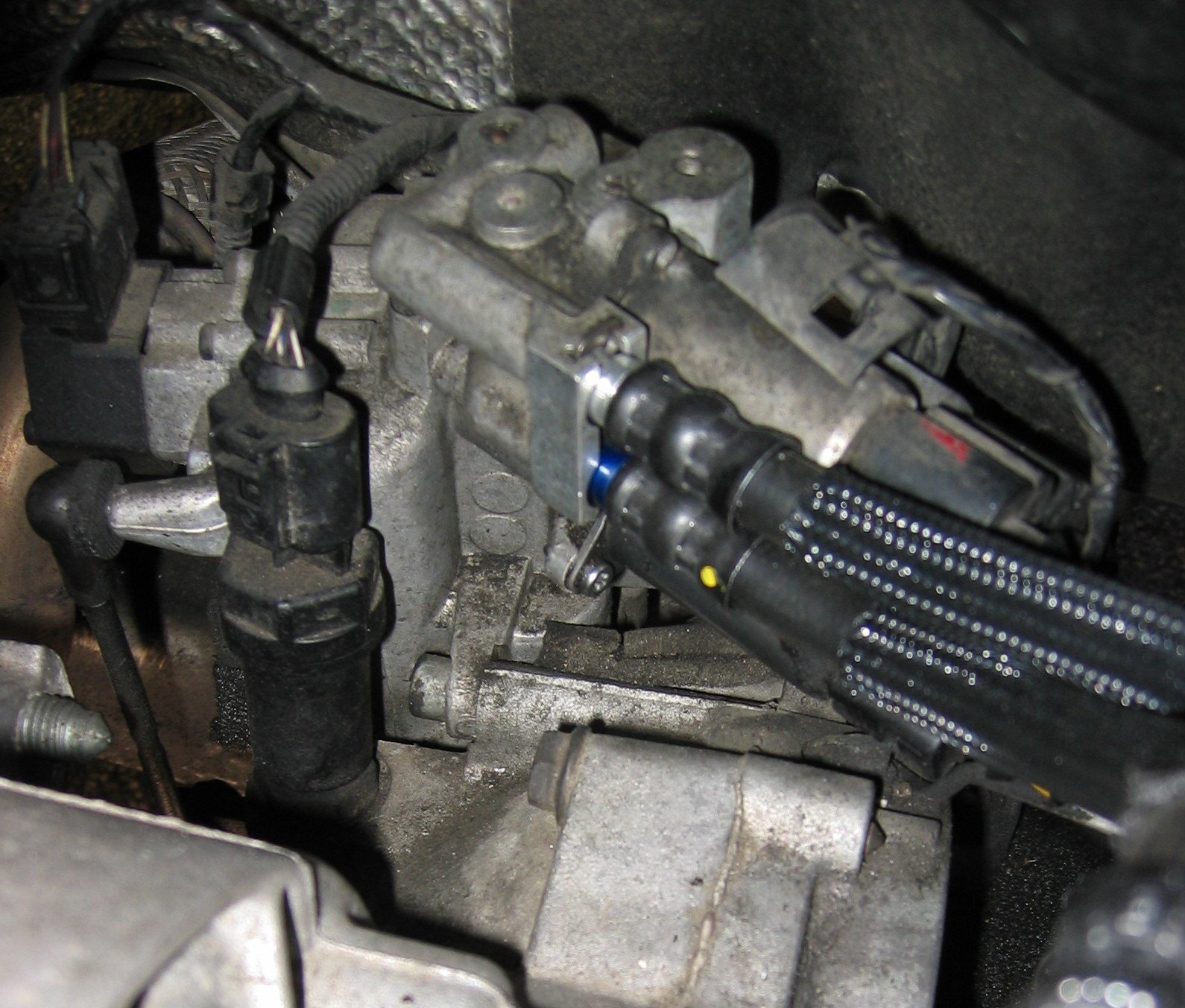
The gearbox was a five-speed manual with the clutch and shifts handled by an electro-hydraulic system, so the driver had no clutch pedal. Left in its economy mode, the system picked gears for the lowest fuel use. The driver could also change gears manually.
The 3L also had automatic stop-start. Stop with your foot on the brake for a few seconds and the engine shut down; lift off the brake and it fired back up. VW had experimented with the idea before, on the Golf Ecomatic of the early nineties, but in 1999 hardly any production car did it. Today it’s on almost every new car sold in America, and plenty of drivers hate it, for reasons we go into in our piece on stop-start problems.
The records
Volkswagen wanted to show the number was real, so it went hunting for records. In November 2003, Gerhard Plattner drove a standard Lupo 3L about 2,910 miles through twenty European countries, from Oslo to The Hague, and spent just 90.94 euros on diesel. His average was 2.78 liters per 100 km, about 85 mpg in US gallons. There were also record runs around Great Britain, with British press reports from the period quoting averages of 112 to 118 mpg in imperial gallons, roughly 93 to 98 mpg in US terms. A widely repeated figure of 119.48 imperial mpg for one of those runs is harder to pin down from a second source, so take it with some salt.
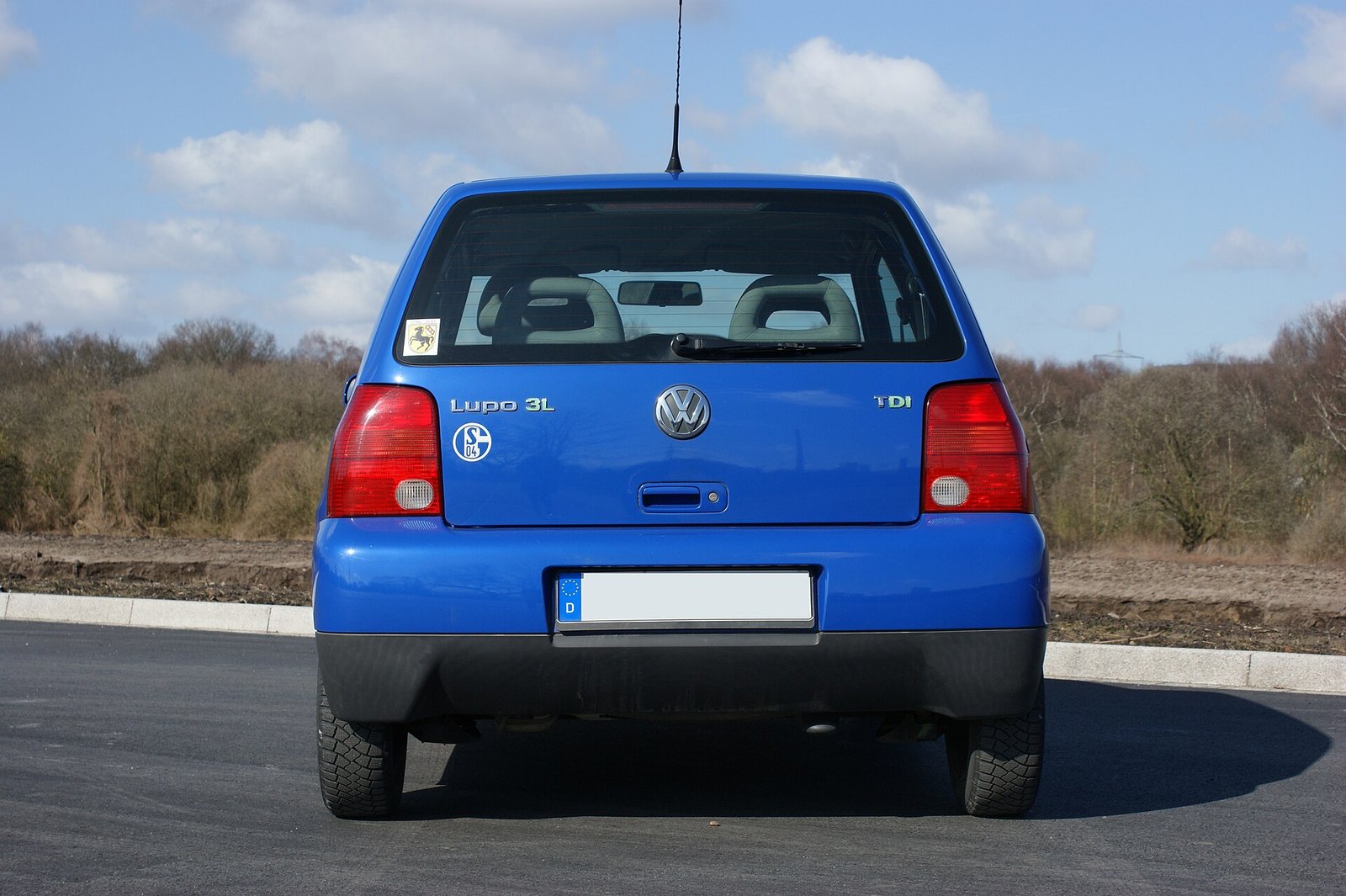
Either way, those are numbers achieved in a showroom-stock car with no hybrid system and no battery pack. In the US, that kind of fuel economy was only reached by the two-seat Insight, and by the 1990s Geo Metro XFi in its best EPA ratings, a car that got there by being tiny and slow rather than clever.
Insight versus Lupo
The comparison with Honda’s first hybrid says a lot about two ways of chasing the same goal in the same year. The Insight used a 1.0-liter three-cylinder gas engine helped by a thin electric motor between engine and transmission, a small battery pack, an all-aluminum body, rear wheel skirts and a drag coefficient of 0.25. It was a technology showcase, and Honda priced and built it like one: two seats, very little luggage space, a shape no one could mistake for an ordinary car.
The Lupo 3L went the other way. From the outside it was almost impossible to tell from the cheapest Lupo in the showroom. It had four seats, a usable hatch and no battery at all. Its economy came from what you couldn’t see: aluminum panels, magnesium parts, a frugal diesel and a gearbox programmed to save every drop. Honda built a car that looked like the future. Volkswagen built an ordinary-looking car that behaved like it.
The weak spot
Owners will tell you the 3L has one: the automated gearbox. The electro-hydraulic system that works the clutch and selects the gears is complex, and with age its actuators, pump and sensors can fail. Specialists in Germany and Britain have made a business out of keeping them running, and plenty of surviving 3Ls have had the system rebuilt. It’s the price of building an automated manual in 1999, years before that kind of gearbox became common. A car built around saving money at the pump could get expensive at the repair shop.
The Audi twin
The Lupo 3L had a bigger cousin: the Audi A2 1.2 TDI, which used the same engine and the same automated gearbox. The A2 was more expensive and had a body made entirely of aluminum, built on Audi’s aluminum space frame technology, which had arrived on the A8 luxury sedan in 1994. The A2 was the first compact car to get it. Both cars were peak Piëch: the same era that produced the Phaeton, the Touareg V10 TDI, the Veyron and the absurd Golf GTI W12-650 show car. In his Volkswagen, building the most efficient car in the world and the wildest Golf in the world were both worth doing.
The other Lupo: the GTI
At the opposite end of the range sat the Lupo GTI, launched in 2000 with a 1.6-liter, 16-valve gas engine making 125 horsepower and a top speed of 205 km/h, about 127 mph. A six-speed manual arrived in 2002. Light and quick, it was a spiritual successor to the original Golf GTI, the car Americans knew as the Rabbit GTI. Like the 3L, it never came to the United States.
Why it disappeared
The Lupo 3L was expensive for a small car, around 30,000 Deutschmarks in Germany when it launched, about 15,000 euros, and its buyers paid extra for parts and engineering they couldn’t see. Fuel was cheap enough that the savings took years to add up. Production ended with the rest of the Lupo line in 2005. Volkswagen built more than 470,000 Lupos of all kinds, and only a small fraction of them were 3Ls.
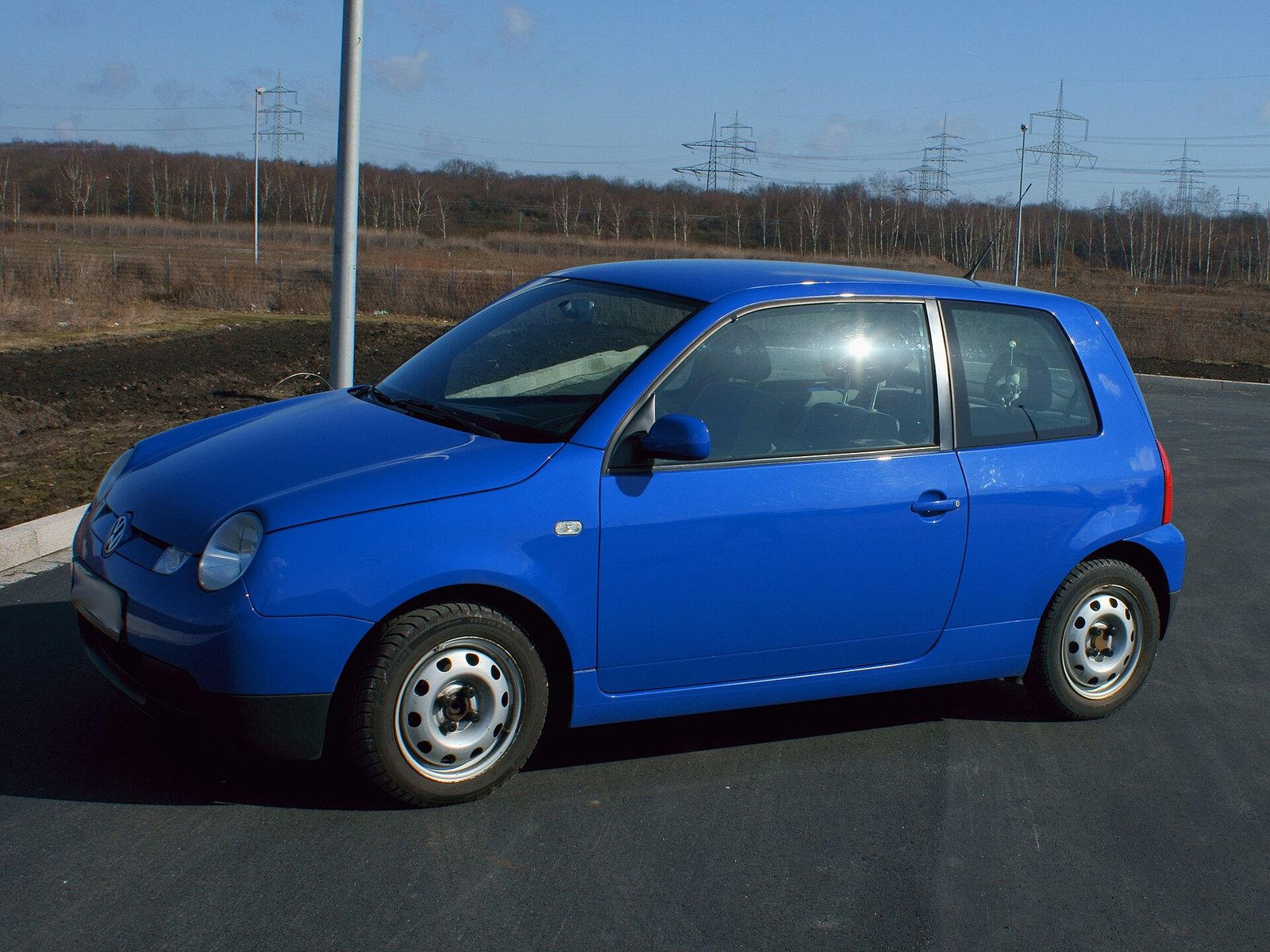
The ideas didn’t die. Volkswagen’s 1-liter concept of 2002 and the limited-production XL1 of 2013 took the same obsession with weight and drag much further. But in the American market, VW’s diesel story went in a very different direction. A decade after the Lupo 3L, the company marketed its TDI Jettas and Golfs in the US as "clean diesel", and in 2015 the emissions scandal revealed that millions of those engines had been cheating on their tests. If you want the technical side of how modern diesel emissions systems turned into a reliability nightmare, see our piece on the EGR valve. The Lupo 3L, built before any of that, got its economy the hard way: through weight, aerodynamics and engineering.
From 61 to 3,600 horsepower
Then came the plot twist nobody at Wolfsburg saw coming. The same lightweight body that made the 3L so efficient made it attractive to drag racers. Its aluminum doors, hood, hatch and fenders were exactly what a builder hunting for a light shell wanted. Silviu Ghita of DOP Motorsport in Romania used a Lupo 3L as the base for a twin-engine drag car with two turbocharged VR6 engines, which ran the quarter mile in 7.71 seconds at 313 km/h, about 194 mph. The full story is in our feature on the twin-engine Lupo. From 61 to 3,600 horsepower, in a body Volkswagen designed to go grocery shopping on a few drops of diesel.
The car the industry forgot
Nobody talks about the Lupo 3L much anymore. Today, efficiency means batteries, and a small electric car can weigh more than two Lupo 3Ls. But in 1999 Volkswagen showed that a four-seat car with a plain diesel engine, sold through normal dealers, could average around 3 liters per 100 km, roughly 78 mpg in US gallons, and that it could get there through weight and aerodynamics alone.
Check you’re still alive.
Photos: Bubinator (CC BY-SA 3.0), Dr. Mirko Junge (CC BY-SA 2.5) and Hans Haase (CC BY-SA 4.0), via Wikimedia Commons.